
Leningrad encircled: where to keep the bread?
In Leningrad, a Soviet food-supply official keeps the figures the population never sees: how many days of provisions remain for nearly three million inhabitants. The city, ill-prepared for a siege, let its reserves dwindle through the summer, counting on a swift victory that never came.
On this 8 September 1941, the troops of reach Lake Ladoga and cut the last rail line: the land encirclement closes. From now on nothing enters except across the lake or by air, and winter is coming.
Much of the foodstuff is concentrated in a single set of old wooden storehouses, the Badayev warehouses, plainly visible from above as the Luftwaffe steps up its raids. The real figures remain a closely guarded secret: to reveal them would stoke panic.
The official must decide quickly: keep the provisions together to control distribution better, scatter them across the city to reduce the risk from bombs, or ship part of them east across Ladoga while the lake remains passable.
Should Leningrad's food-supply official keep his reserves concentrated, scatter them across the city, or evacuate part of them eastward?
The choice fell on keeping the stocks concentrated. On the evening of 8 September 1941, a Luftwaffe raid set the Badayev warehouses ablaze: roughly 3,000 tons of flour and 2,500 tons of sugar went up in smoke. The image of the flames and of molten sugar running through the cellars became the symbol of the famine that followed. Rationing collapsed to the bread ration of 125 grams (often cut with substitutes) from November 1941 to February 1942. The famine killed, by estimates, between 600,000 and more than a million civilians, the peak exceeding 100,000 deaths per month during the winter. Historiography has nonetheless qualified the myth: the Badayev foodstuffs represented only one to three days of consumption. The blockade organized by Hitler, and not the fire alone, was the true cause of the catastrophe.
Learn more about this event
Related polls
10
The Hermitage as the siege closes in
British Coal for the Winter of 1939
Before the enemy: the kolkhoz farm
The Soviet schoolteacher facing the German advance
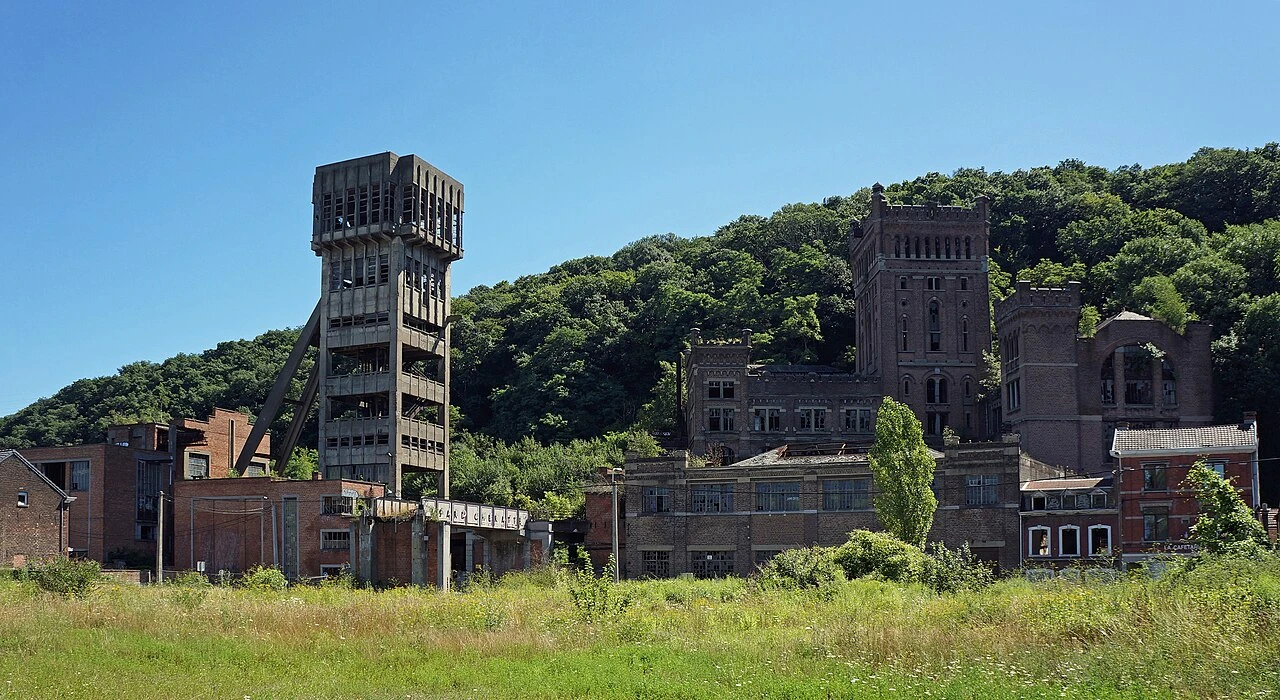
Campine Coal and the Hunger of Year One
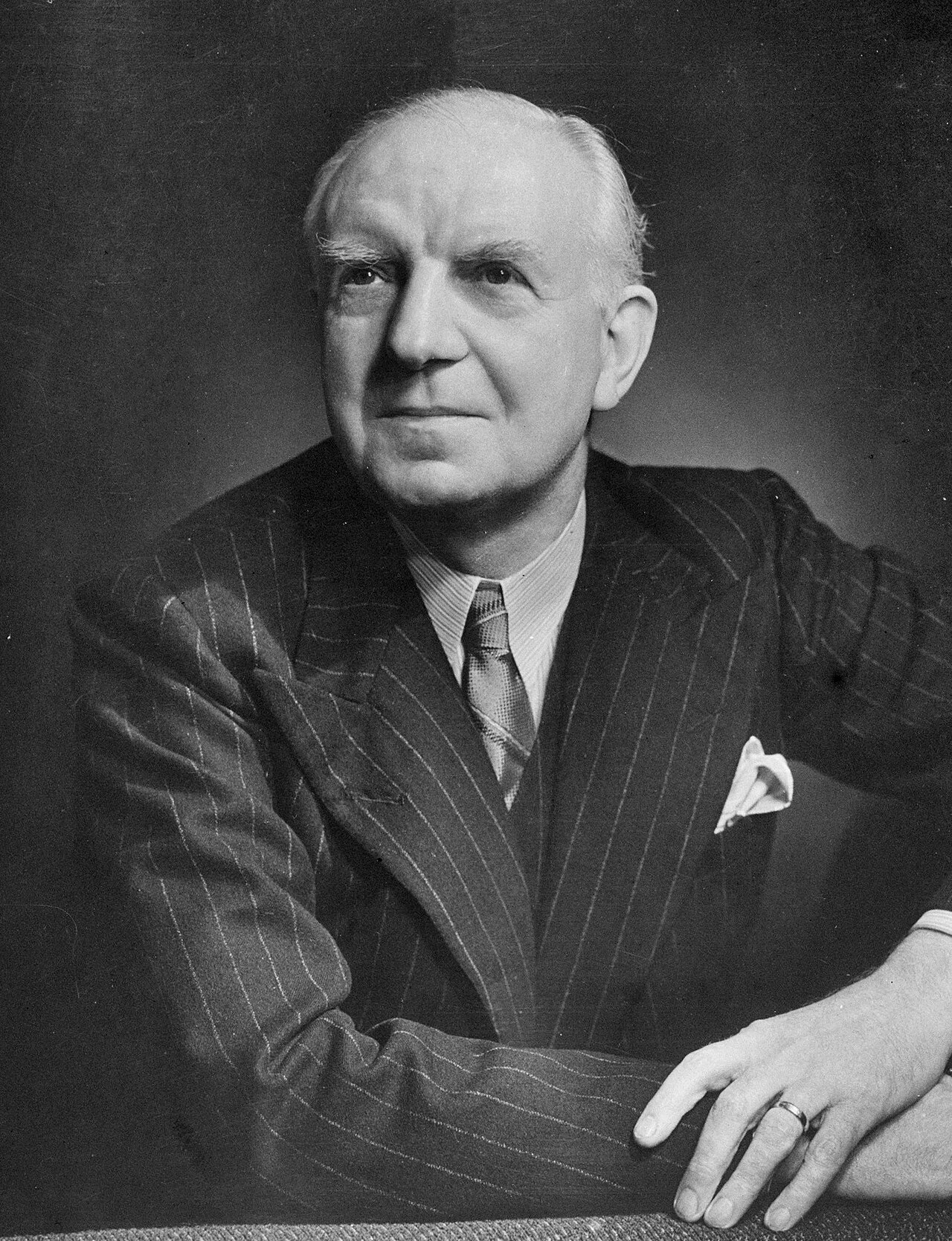
British rationing put to the test in 1941
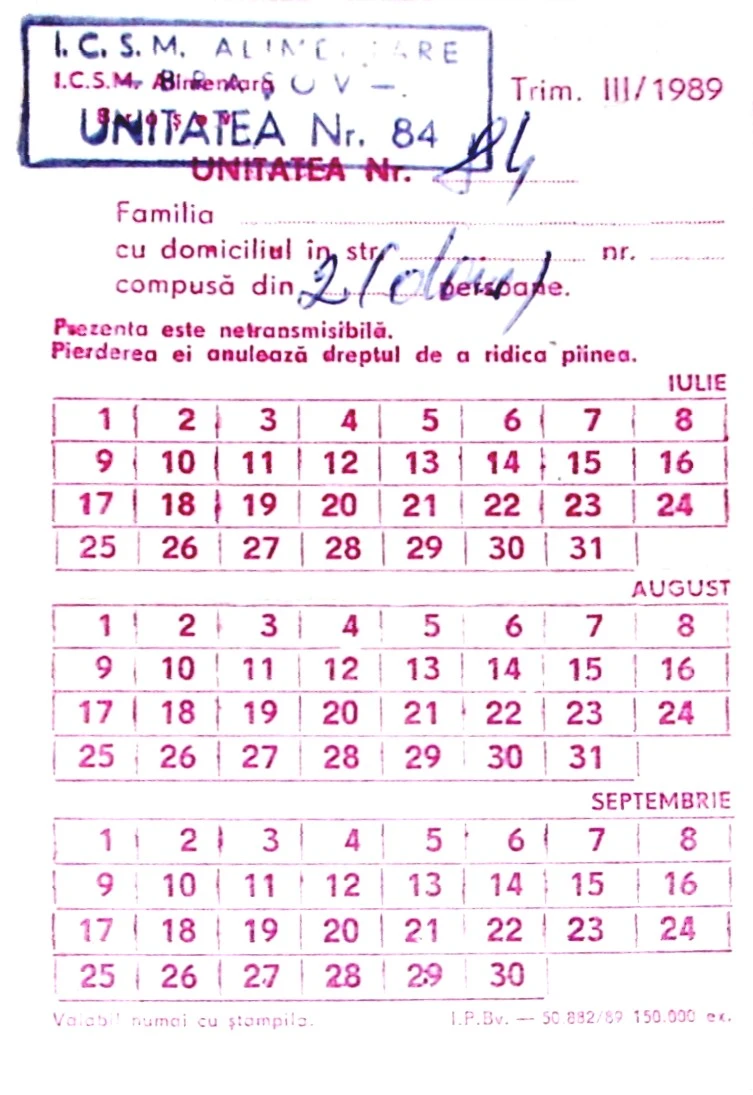
British Clothes Rationing
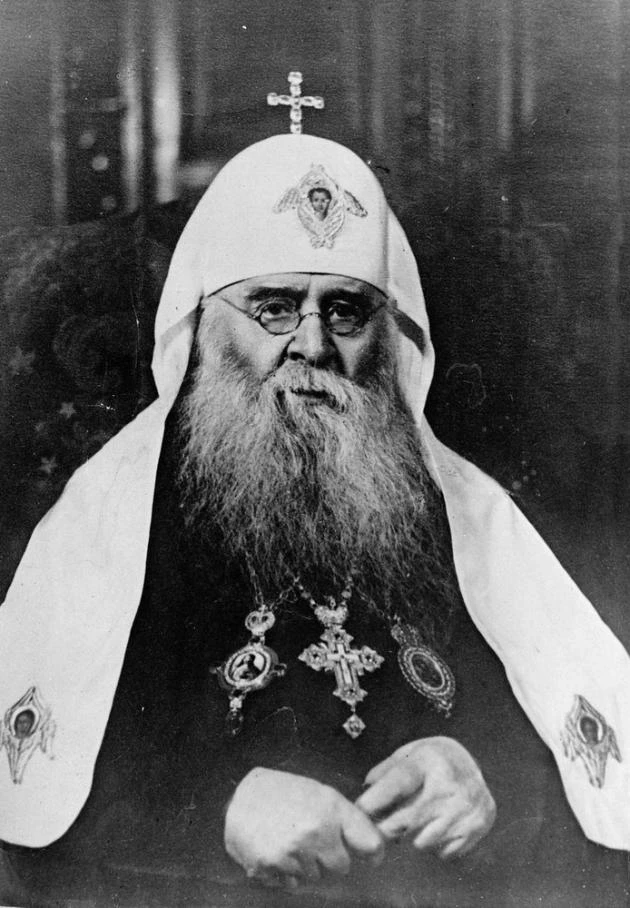
The Church in a Threatened Moscow
The physics student evacuated from Moscow
The Warsaw Student and the Black Market
The Hermitage as the siege closes in
British Coal for the Winter of 1939
Before the enemy: the kolkhoz farm
The Soviet schoolteacher facing the German advance
Campine Coal and the Hunger of Year One
British rationing put to the test in 1941
British Clothes Rationing
The Church in a Threatened Moscow
The physics student evacuated from Moscow