
Convoy HG-76 — the escort under the wolf-pack
is 48, with most of his career behind him. He joined the Navy as a cadet in 1908 and, after the Great War, became passionate about anti-submarine warfare — only to watch the interwar years dismiss his speciality as a useless obsession. To the Admiralty the submarine threat was marginal, and men like him were tiresome theorists. He was left to grow bitter behind a desk.
In late December 1941 he is finally given a command at sea: escorting convoy HG-76 from Gibraltar to Liverpool. Out in the open ocean a wolf-pack of U-boats clings to the merchantmen, day and night, certain of its impunity — between June and October 1940 these packs sent 270 Allied ships to the bottom, and the Royal Navy holds to a strict defence. The doctrine is set in stone: an escort protects its ships by staying with them, never breaking away to chase the enemy.
But Walker has sloops faster than a surfaced submarine, and a conviction hardened during his years in the wilderness. He can tighten the screen around the merchantmen and absorb the blows as the rule demands; he can instead send his sloops far from the convoy to hunt the U-boats, forcing them to dive so they can be run down; or scatter the convoy and call for a reroute to try to shake off the pack.
How does Walker use his escorts against the wolf-pack?
Walker sent his escorts in pursuit. Rather than merely endure, he took his fastest sloops and went after the U-boats miles from the convoy, forcing them to dive so they could be destroyed. By the time HG-76 reached Liverpool it had lost 2 merchantmen, a destroyer and the escort carrier Audacity — but 5 U-boats had been sunk. It was the first major Allied victory in the Battle of the Atlantic, and a shock to a submarine arm that thought itself invincible. Walker, the ageing and poorly regarded officer, had just forced through the idea of 'offensive lunges' — yet he would be recalled to a desk before the Navy truly adopted his method, in 1943.
Learn more about this event
Related polls
10
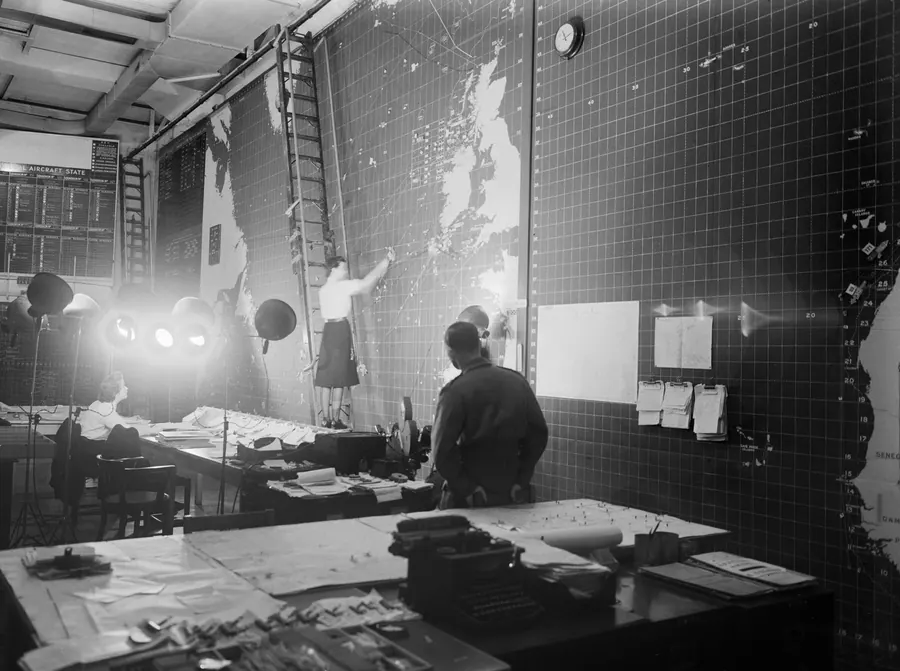
March 1943 — where to place the escorts?
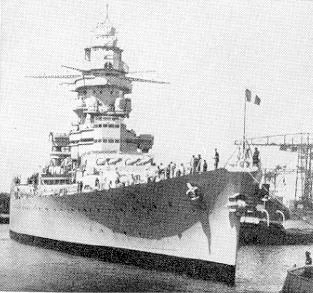
The Admiralty and the Strasbourg Rumour
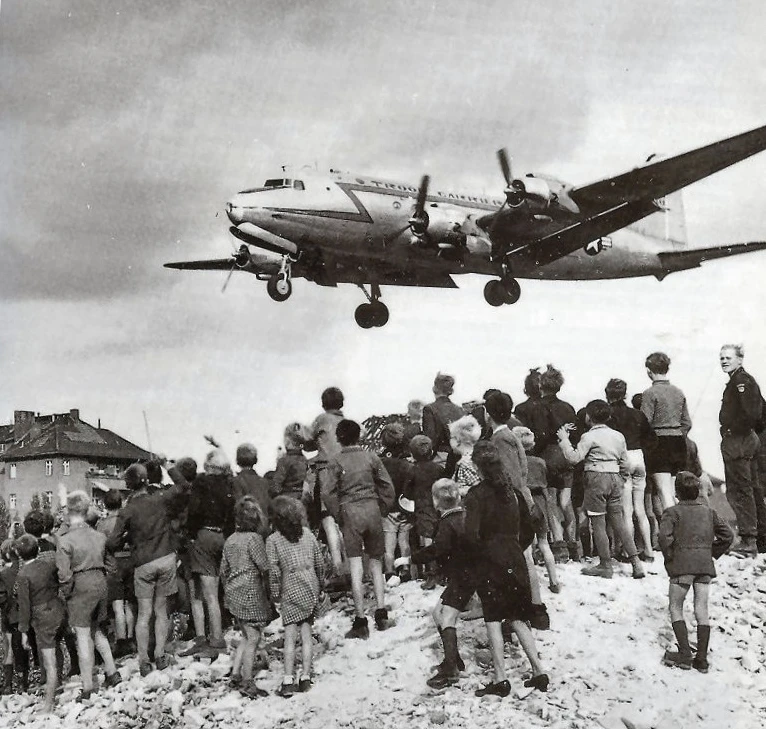
The blockade of Germany
The Cabinet and Operation Catapult — 1 July
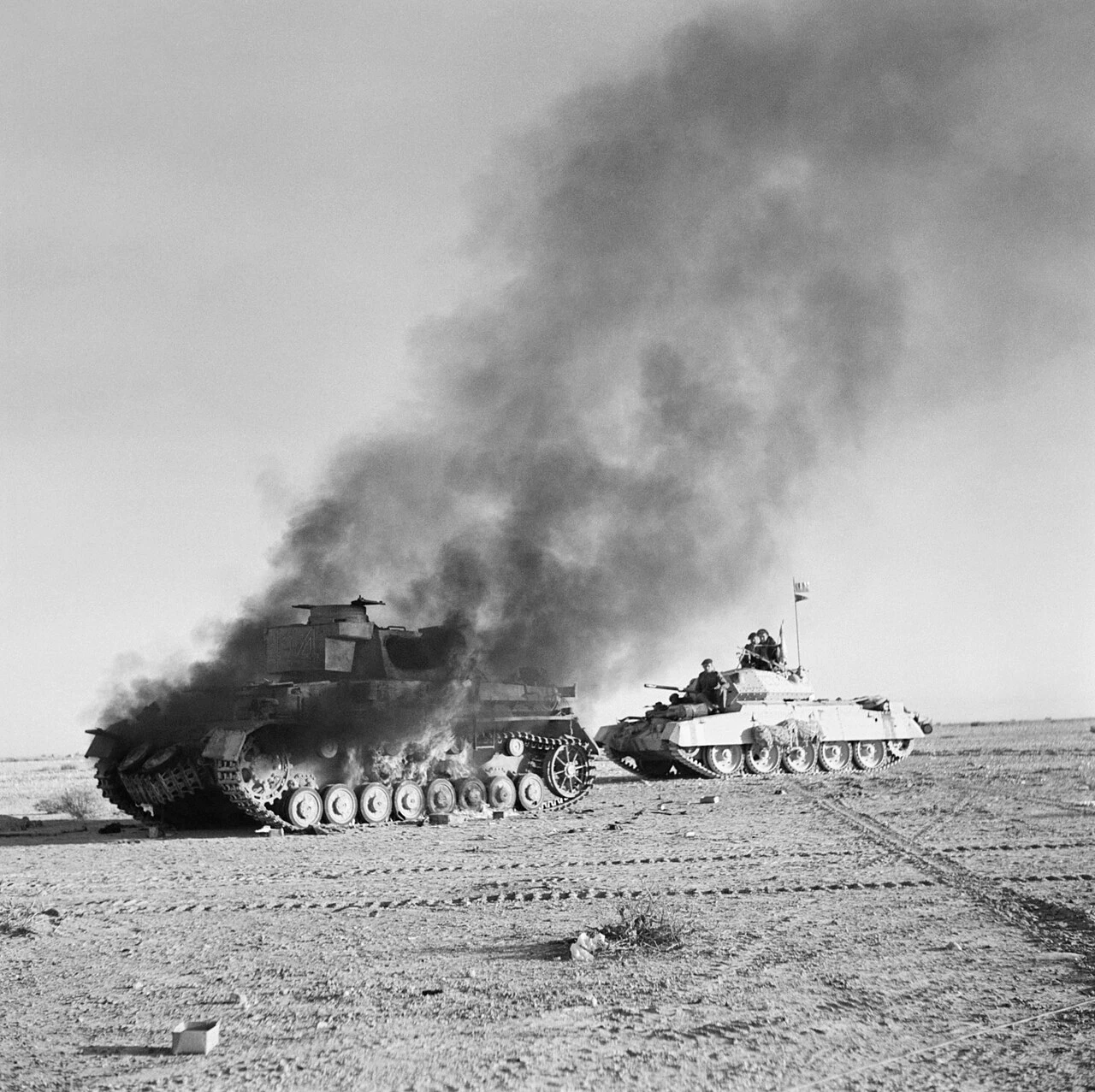
Crusader: The Generals' Doubt
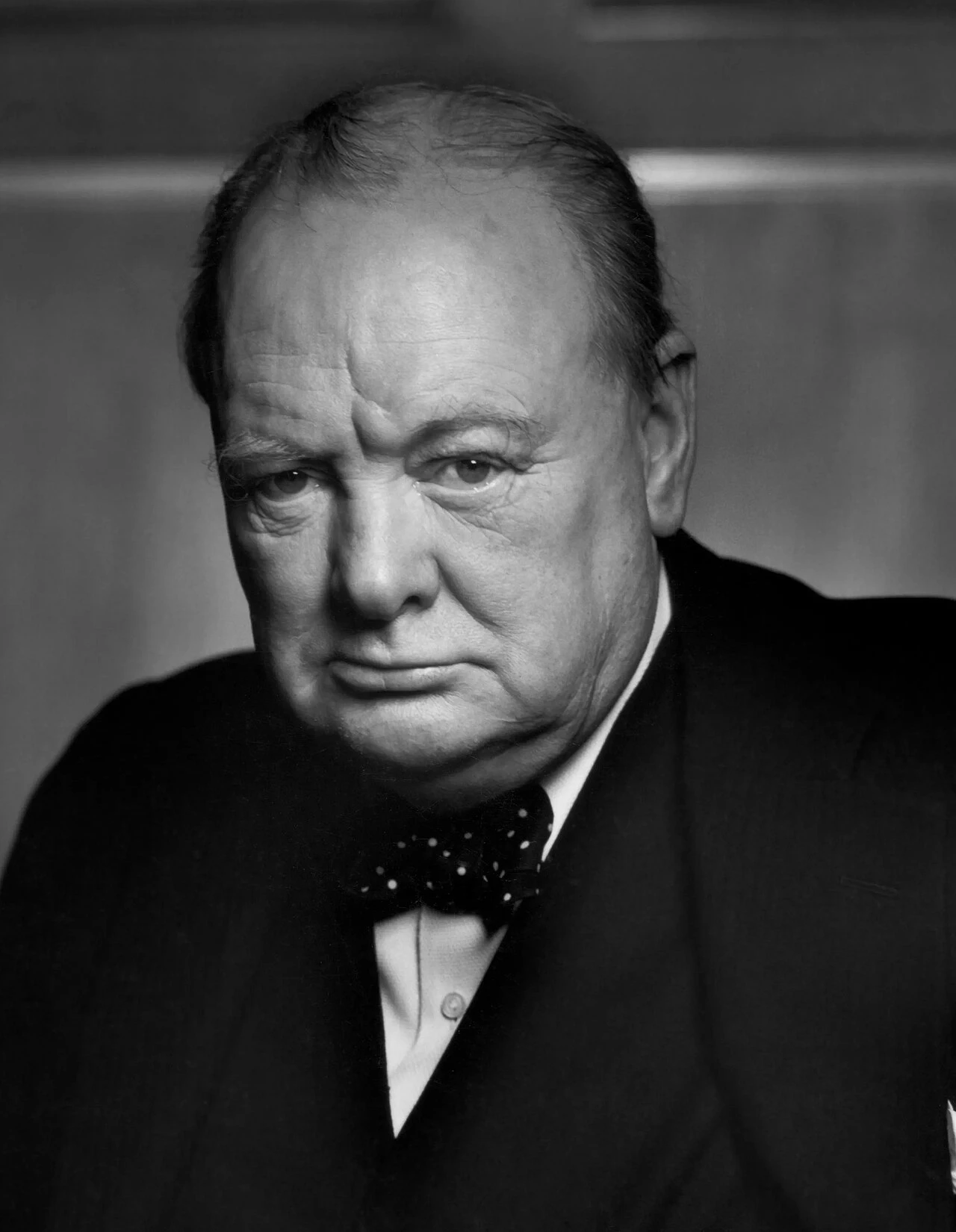
Mining the Rhine — Operation Royal Marine
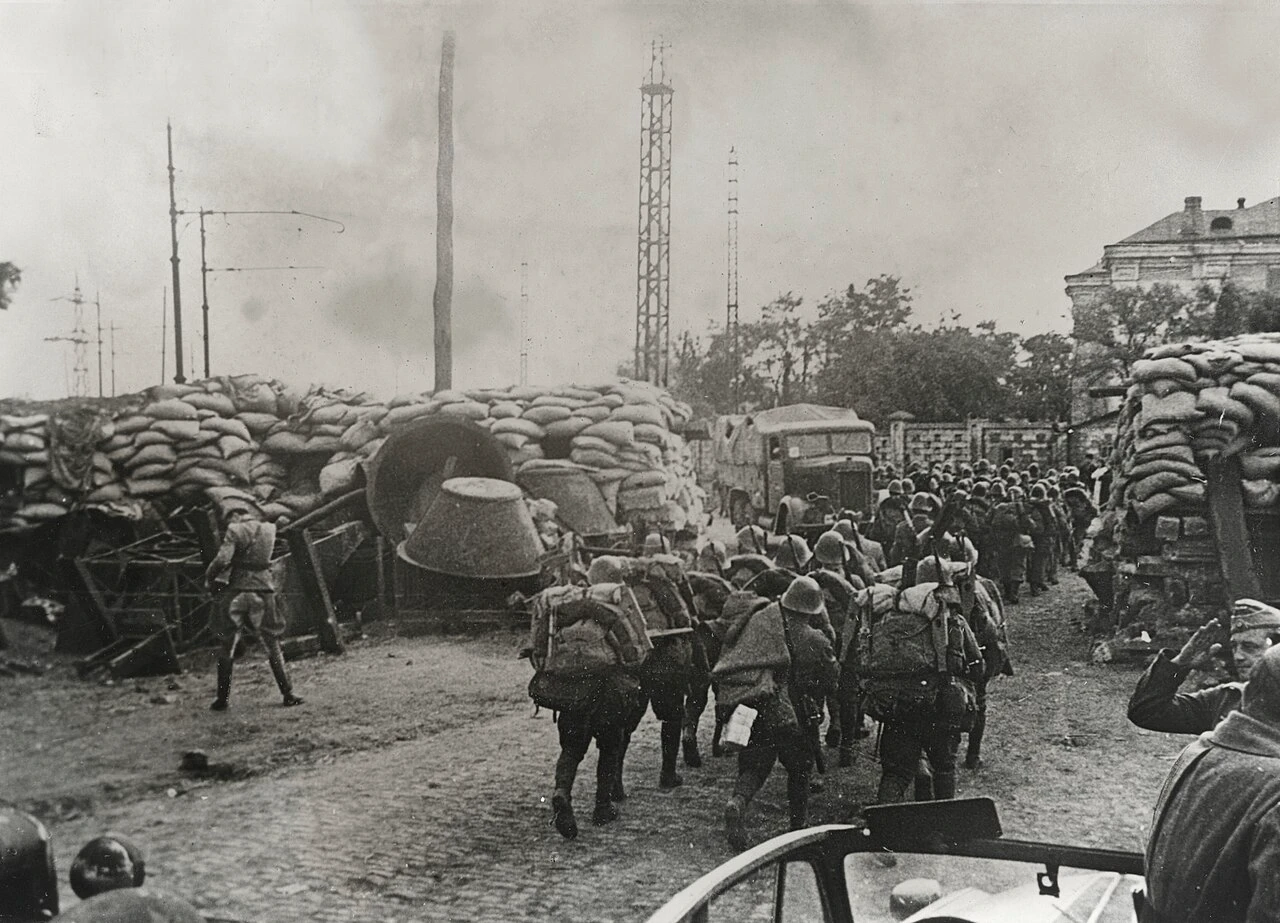
Odessa, October 1941: The Sea or Death
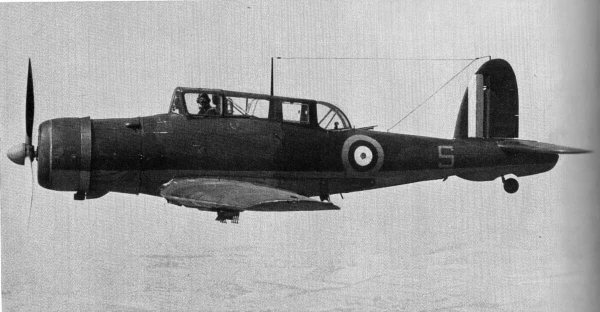
Bergen — the Skuas at extreme range
The Supreme Allied Council faces Finland
Gamelin, one last order before the envelope
March 1943 — where to place the escorts?
The Admiralty and the Strasbourg Rumour
The blockade of Germany
The Cabinet and Operation Catapult — 1 July
Crusader: The Generals' Doubt
Mining the Rhine — Operation Royal Marine
Odessa, October 1941: The Sea or Death
Bergen — the Skuas at extreme range
The Supreme Allied Council faces Finland
Gamelin, one last order before the envelope
T10-011