
March 1943 — where to place the escorts?
In the basement of Derby House in Liverpool, where the Battle of the Atlantic is tracked hour by hour, March 1943 looks like catastrophe: 120 ships sunk in a single month. 'The Battle of the Atlantic was the dominating factor all through the war,' would write; never for a moment could one forget that everything else depended on it. And the scales are tipping the wrong way.
Yet new tools are at last pouring in: very-long-range aircraft fitted with radar and Leigh Lights, high-frequency direction-finding, forward-firing mortars, and the German cipher traffic readable once more. What remains is to decide how to use this windfall. One long-unloved officer has argued for years that the Navy should stop clinging to its convoys and go strike the enemy at his own door.
The staff can keep every escort in close defence, welded to its convoy as caution has always demanded; it can detach independent support groups, hunter-killers free to chase the U-boats wherever they are; or bet first on very-long-range aircraft and the sealing of the Bay of Biscay, through which the packs reach the open sea.
How does Western Approaches Command redeploy its escorts?
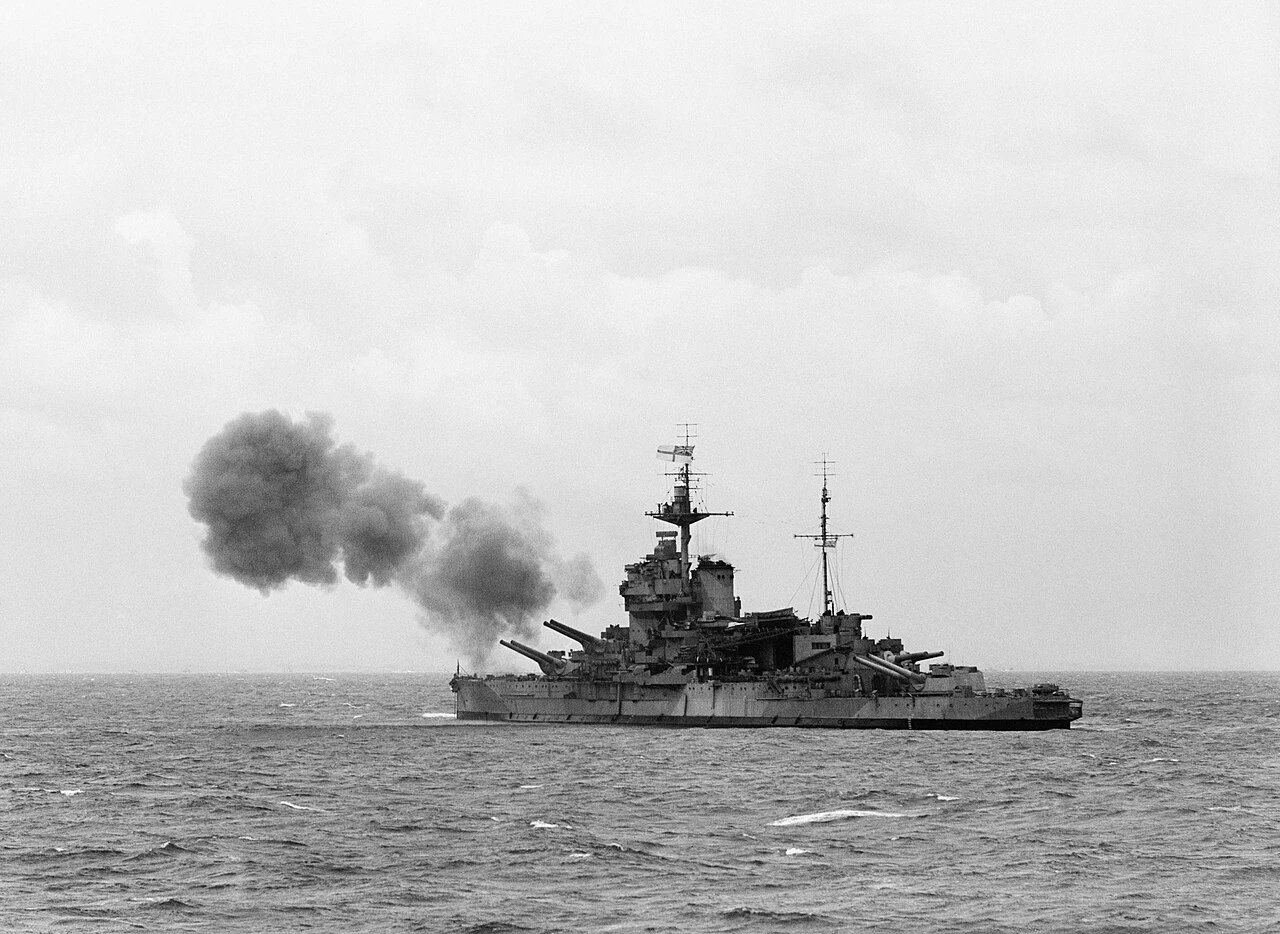
The support groups were formed. In the spring of 1943, independent hunter-killer flotillas — including the one entrusted to — stopped clinging to the convoys and ranged freely after the U-boats, while very-long-range aircraft finally closed the central 'gap' in the Atlantic: the 2 levers worked together. In May 1943, 'Black May', the submarine arm lost some 40 boats; withdrew his packs from the North Atlantic. The balance of forces had just turned for good.
Learn more about this event
Related polls
10
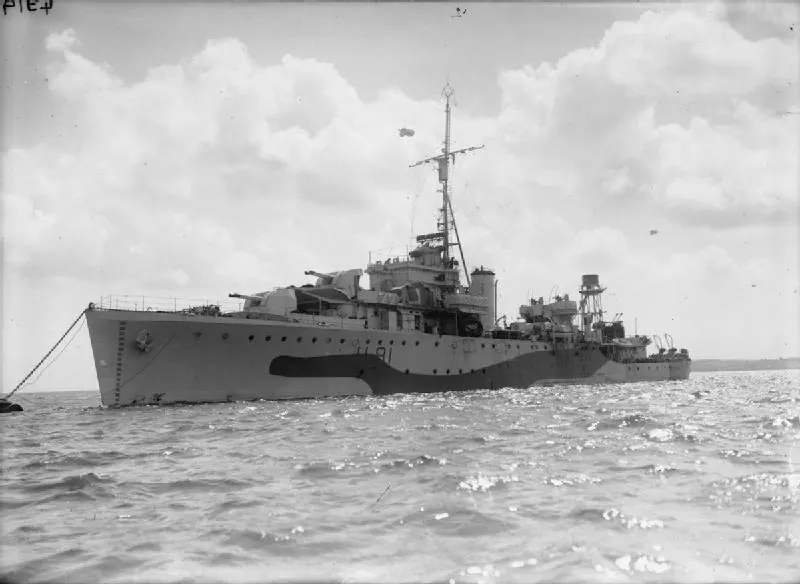
Convoy HG-76 — the escort under the wolf-pack
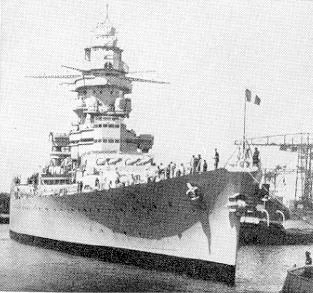
The Admiralty and the Strasbourg Rumour
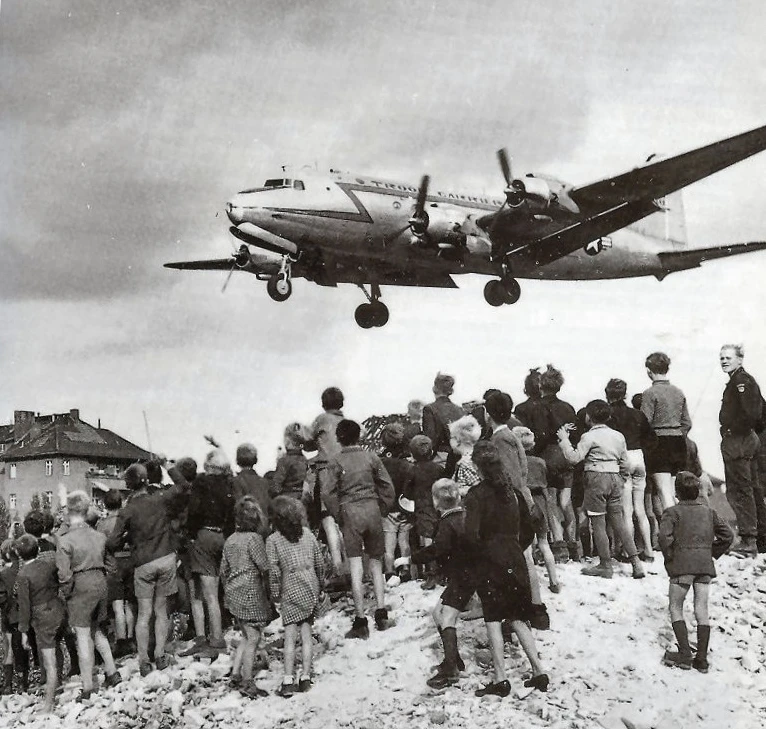
The blockade of Germany
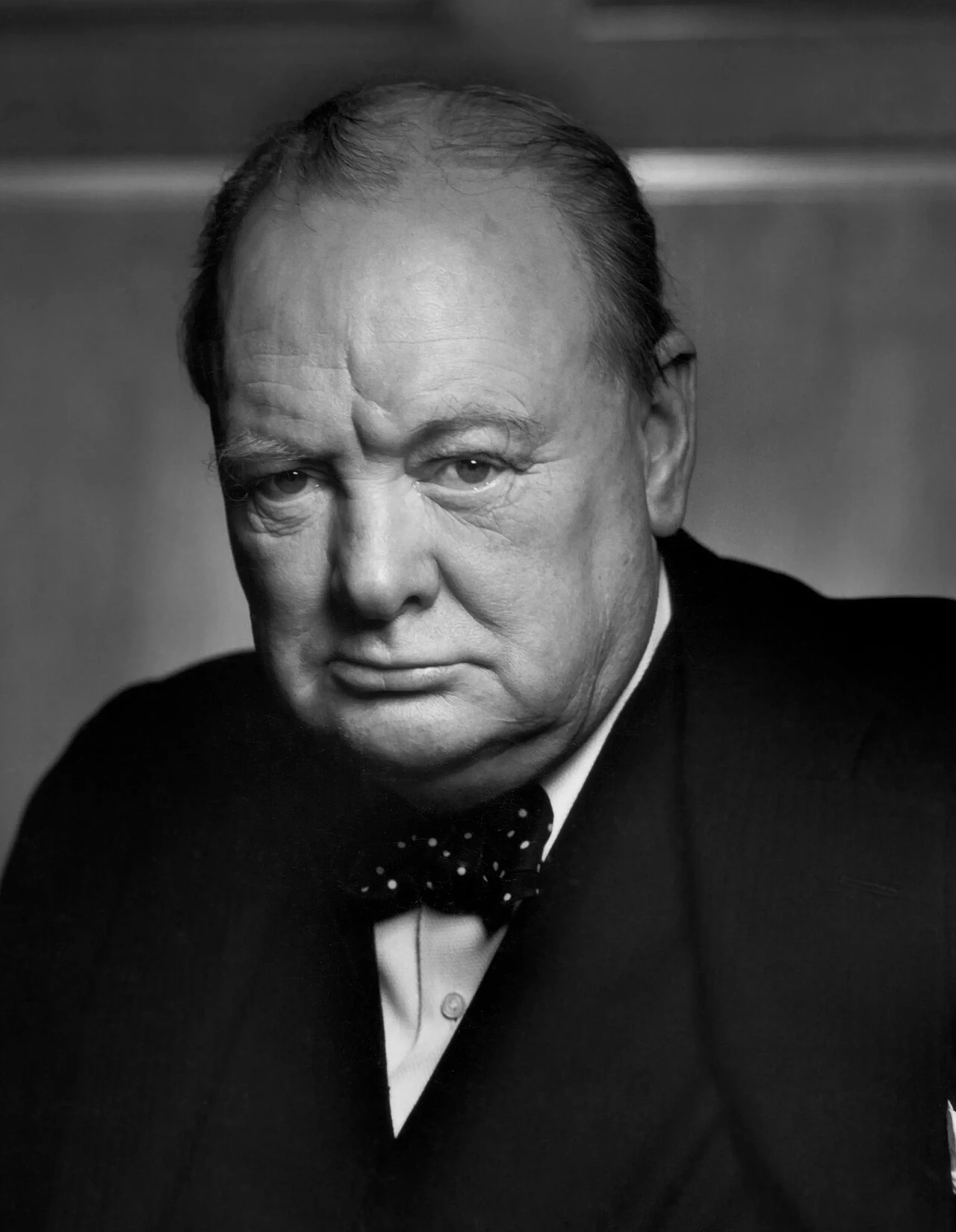
The Cabinet and Operation Catapult — 1 July
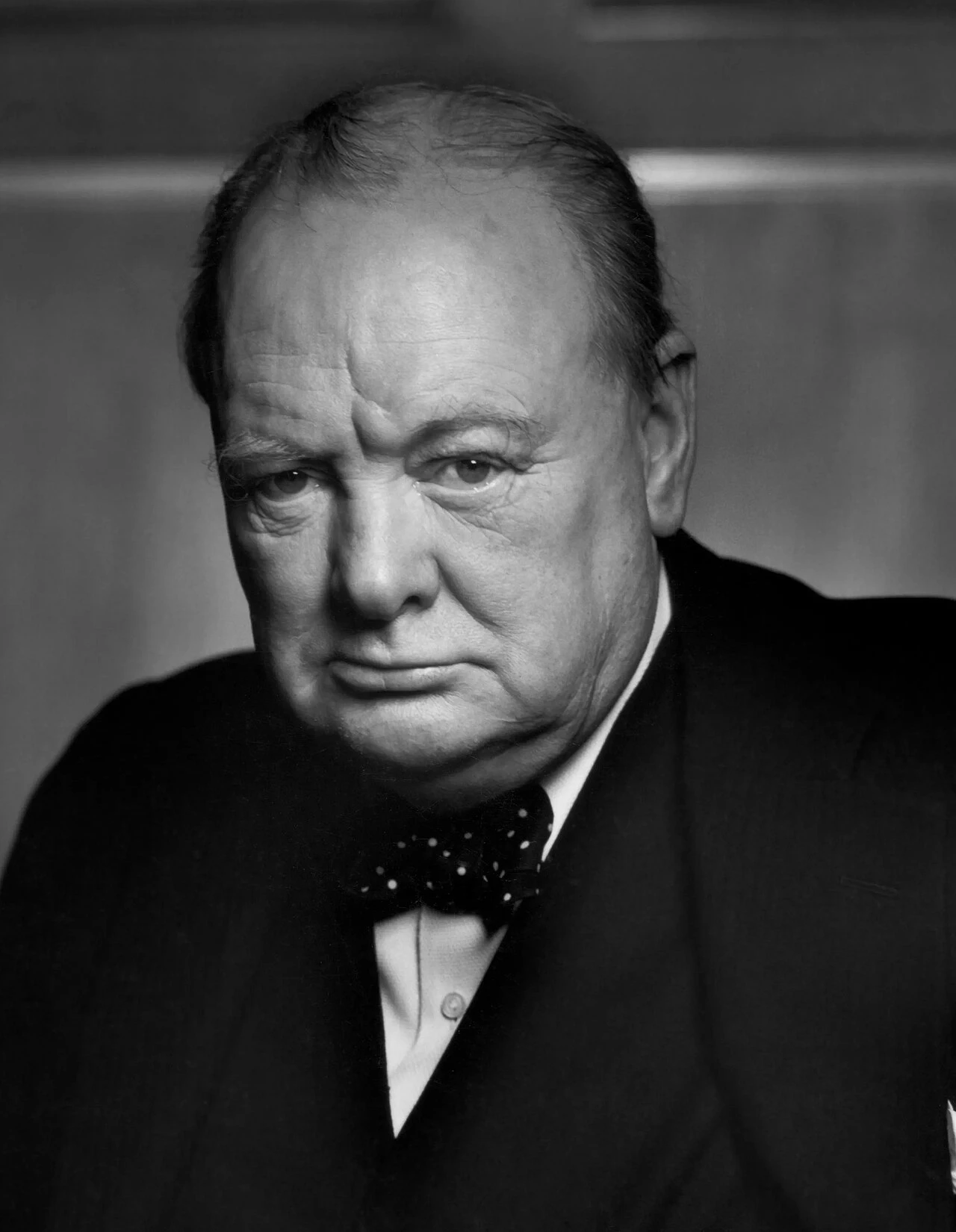
Mining the Rhine — Operation Royal Marine
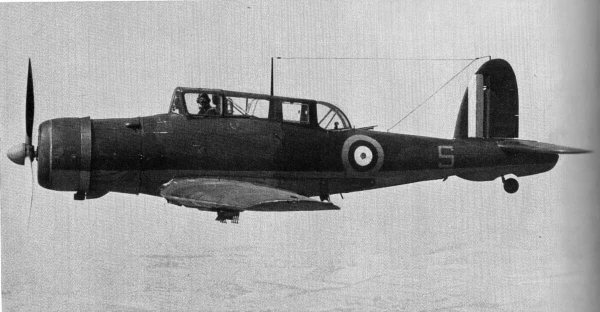
Bergen — the Skuas at extreme range
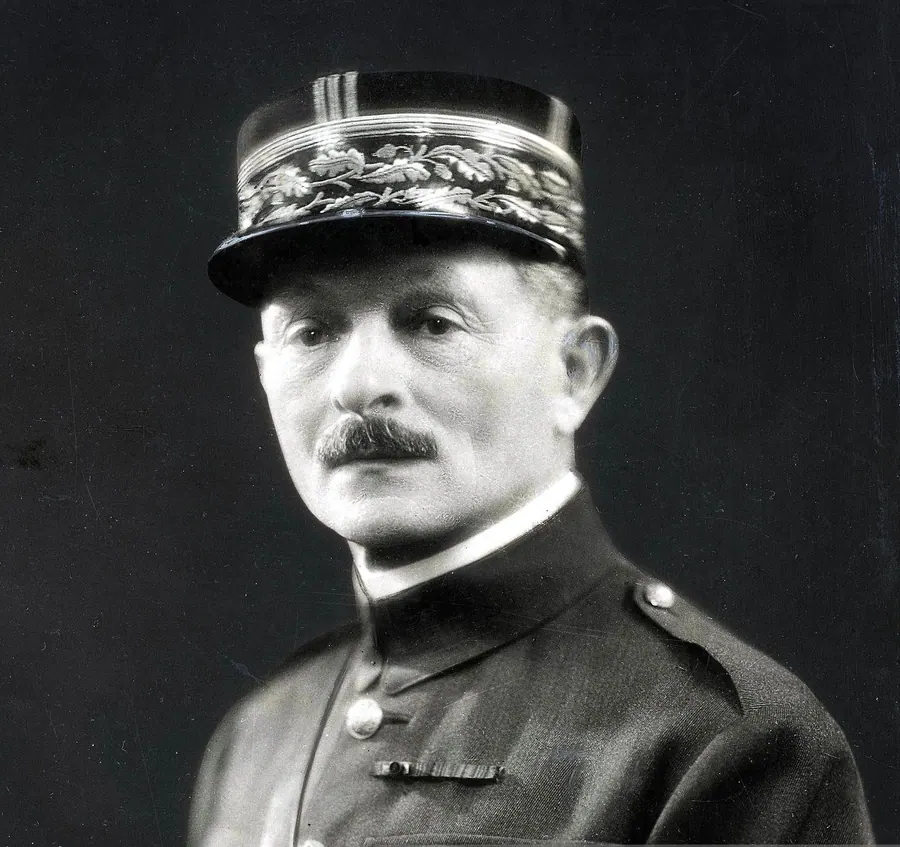
The Supreme Allied Council faces Finland
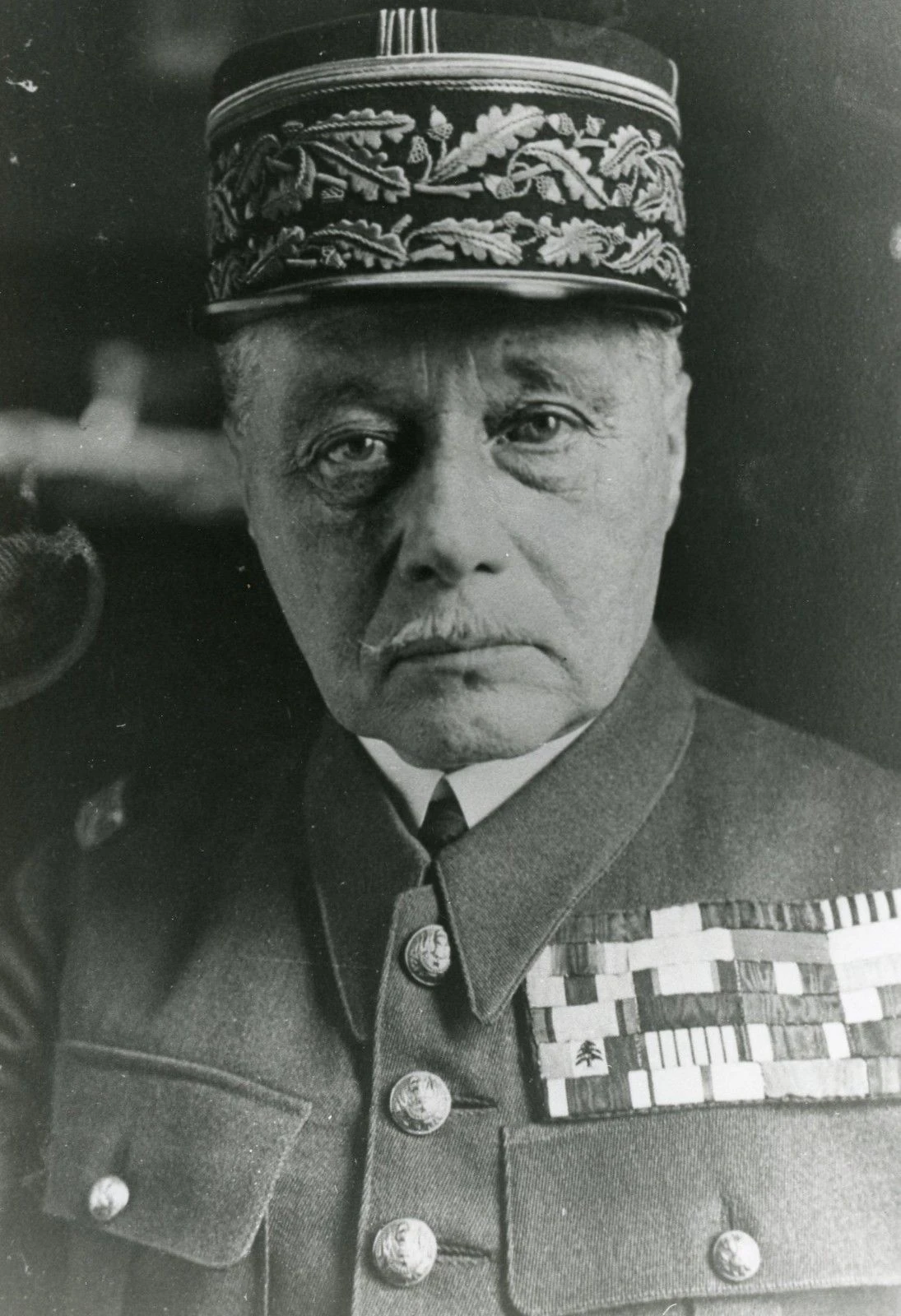
Gamelin, one last order before the envelope
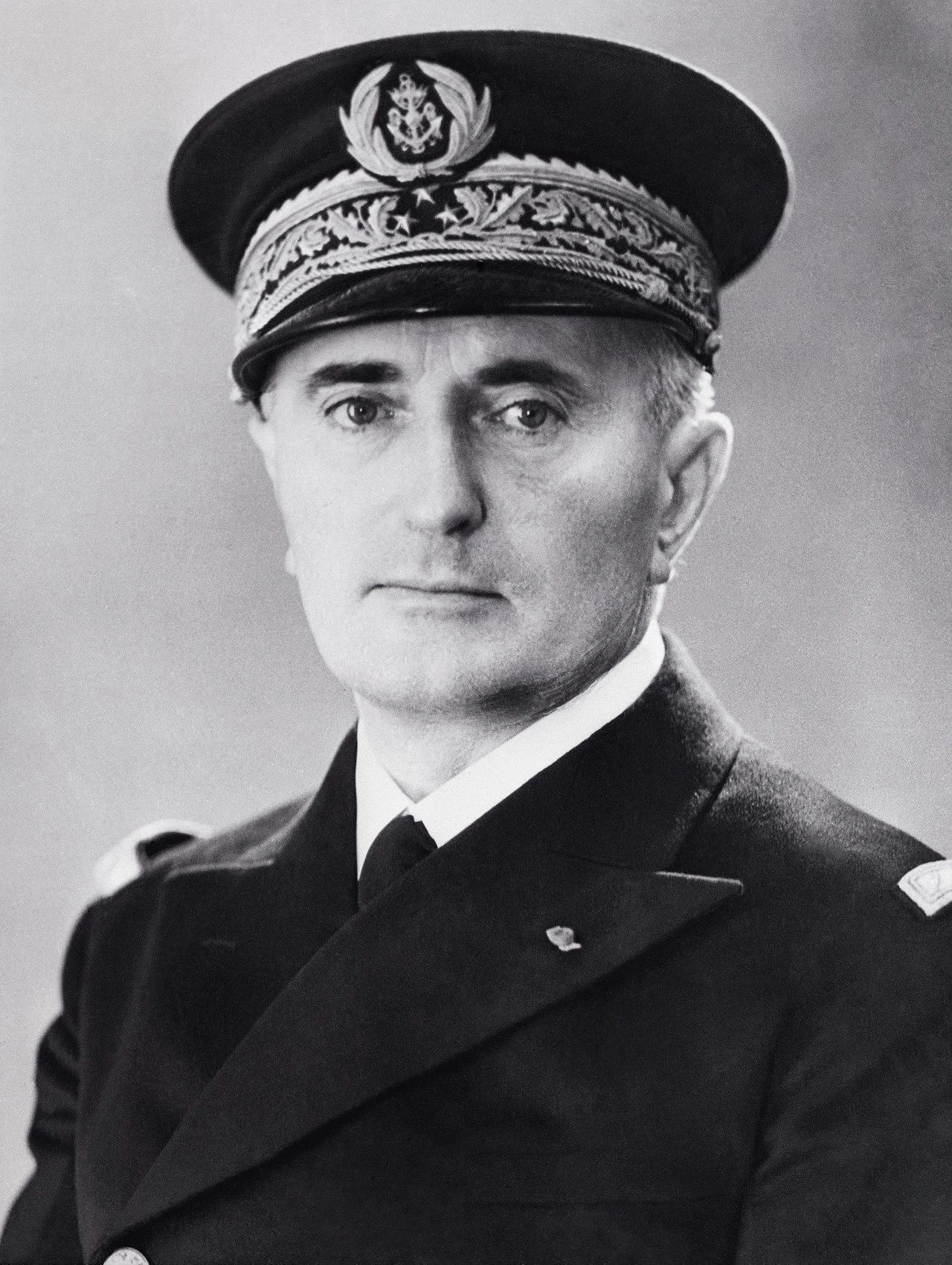
The French navy disperses
Narvik — too senior an admiral
Convoy HG-76 — the escort under the wolf-pack
The Admiralty and the Strasbourg Rumour
The blockade of Germany
The Cabinet and Operation Catapult — 1 July
Mining the Rhine — Operation Royal Marine
Bergen — the Skuas at extreme range
The Supreme Allied Council faces Finland
Gamelin, one last order before the envelope
The French navy disperses
Narvik — too senior an admiral
T15-001