
U-202 — 14 hours under the hunt
was not worried. On the morning of 1 June 1943, located by direction-finding, he had taken U-202 down without haste: 5 attacks already dodged on this patrol alone, and the quiet conviction that a good commander always slips through the net. He had no idea who had just found him.
The sloops ringing him would not let go. Their sonar — Asdic — clung to the hull, its pulses echoing right into the control room; the depth charges fell ever closer, and the 76 hydrogen-bubble decoys he released to scramble the echo made no difference. Hour after hour the group came back, methodical, as if guided by an ear that could tell a true echo from a false one.
14 hours on, the air is foul, the batteries failing, and the hull groans more than 200 metres down, at the edge of being crushed. 3 doors remain to Poser, all of them narrow: stay deep and silent, betting the hunters lose contact or run low on fuel; surface under cover of night to recharge the batteries and flee on the surface; or surface to scuttle and surrender, and at least save his men.
What does Poser attempt in order to save his crew?
Poser surfaced. 2 minutes after midnight, U-202 broke the surface to make its run in the dark — but the hunting group was waiting: spotted at once, the boat was riddled and went down. The survivors, Poser among them, were fished out and taken prisoner. The hunt had lasted 14 hours. The British commander who led it, , dryly thanked Poser for 'an excellent bit of group training', and Western Approaches Command called it 'the most outstanding performance of the war'. By mid-1943 this kind of hunt was crushing the morale of the German submarine arm: the U-boat no longer operated with impunity.
Learn more about this event
Related polls
10
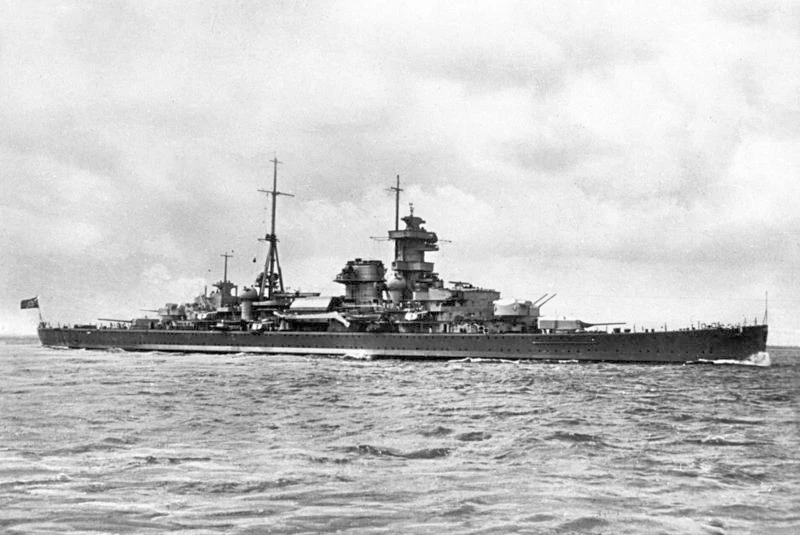
An unescorted convoy in the grey morning
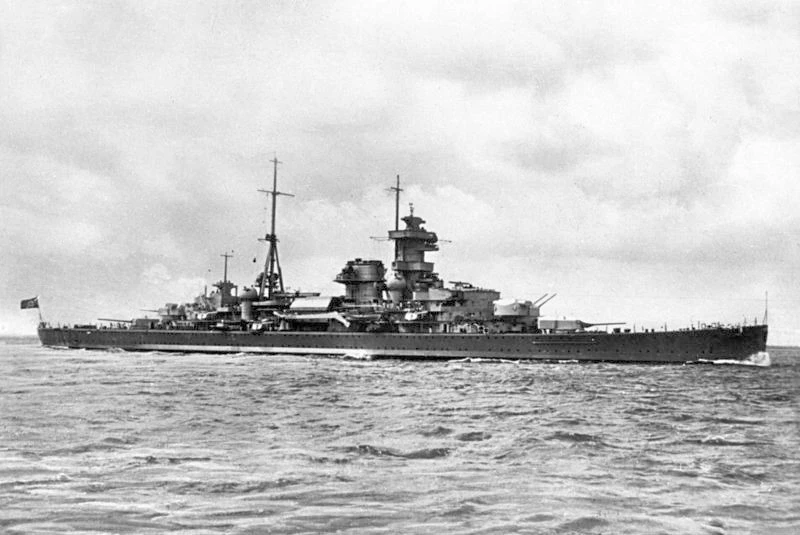
A raider, a convoy and a cruiser escort
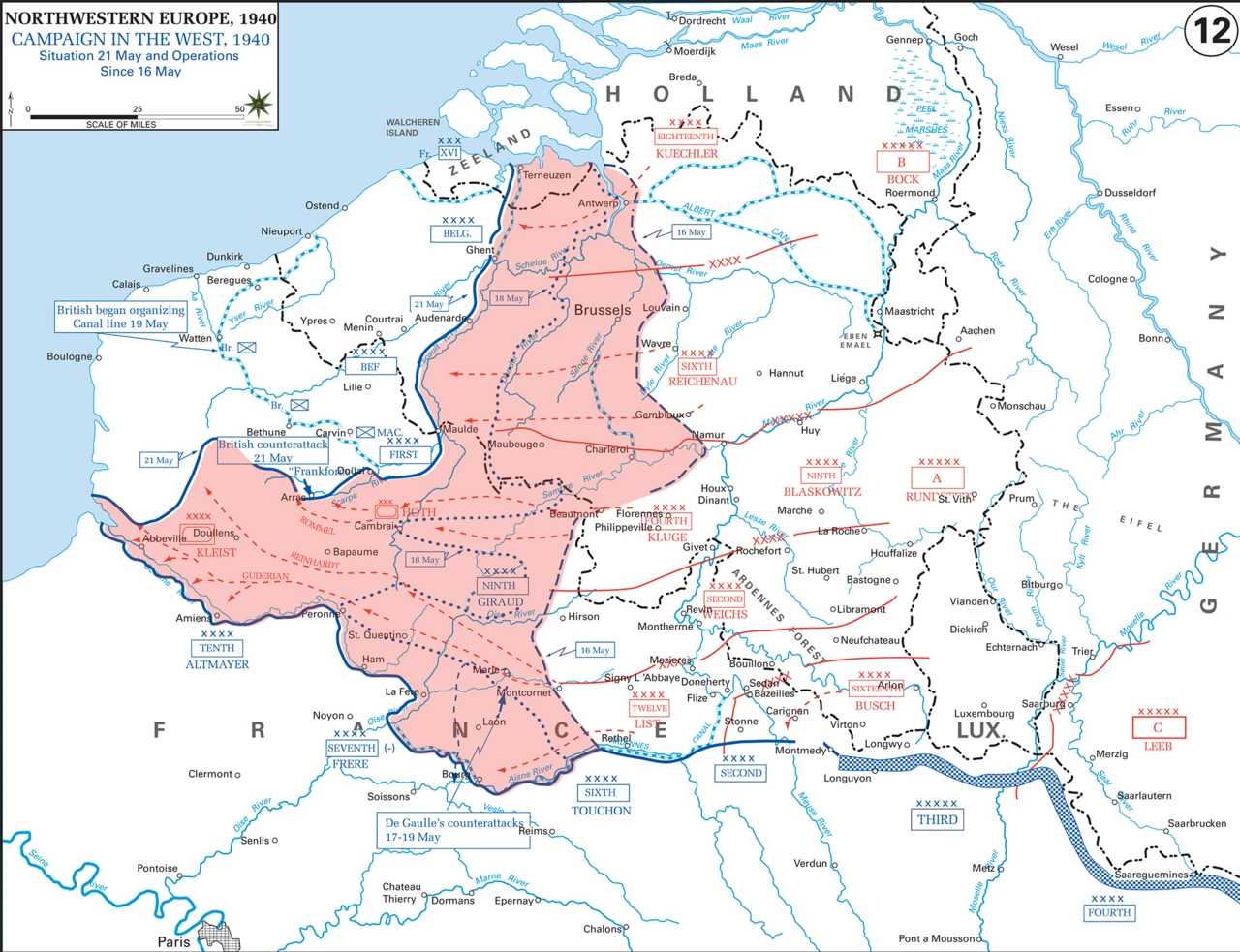
Boulogne — Fox-Pitt and the Guards facing the port
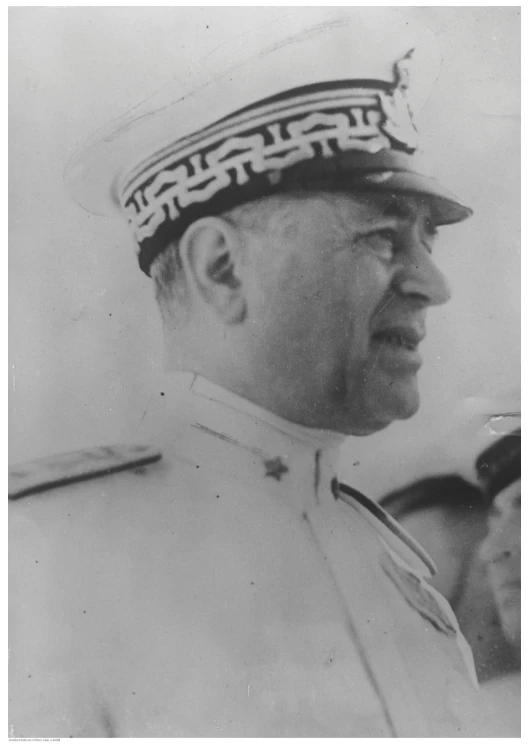
Campioni faces Cunningham off Calabria
The Regia Marina against Force H — Cape Spartivento
The Giant Adrift off Donegal
Hel — Unrug faces the German envoy
Narvik — the Allied withdrawal
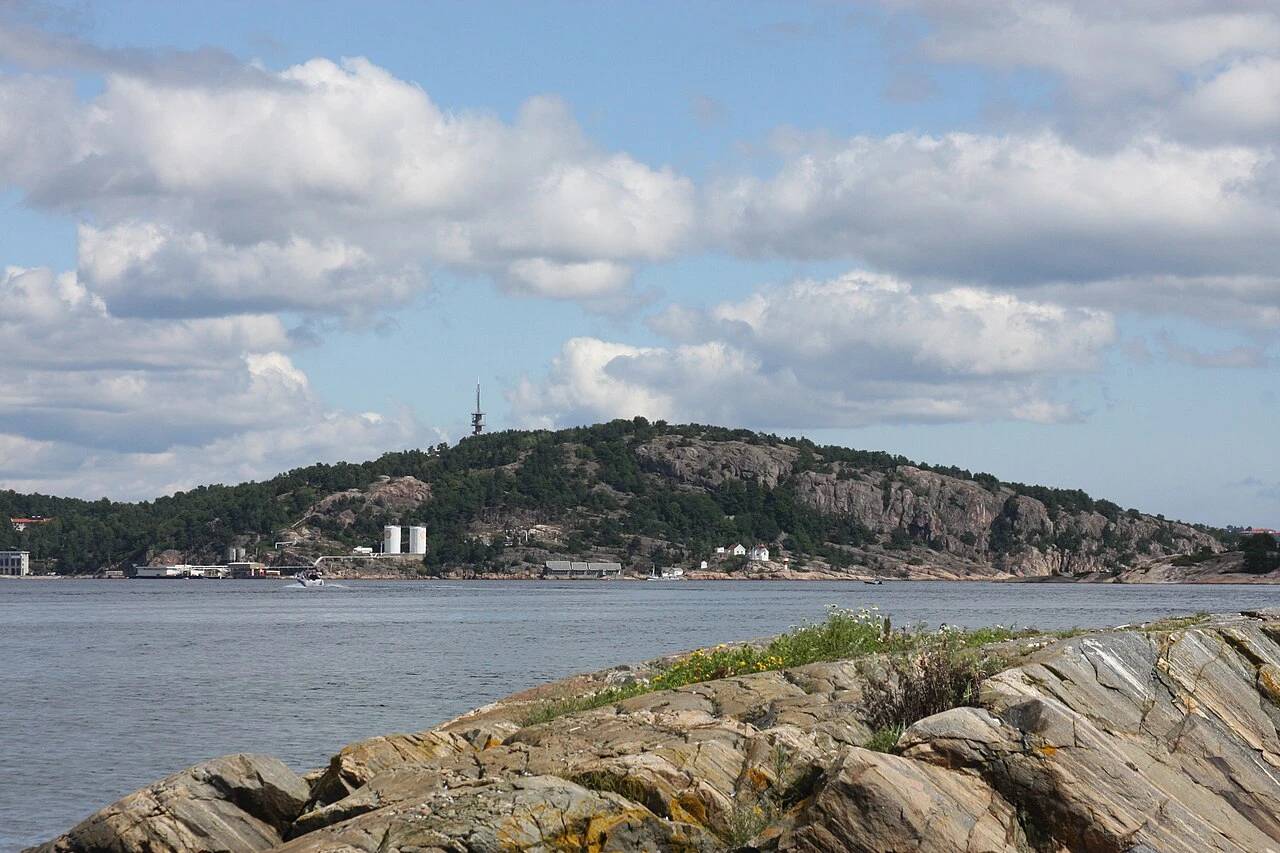
Odderoya — an identity in the mist
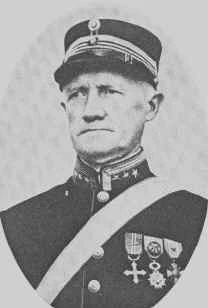
Oscarsborg — the intruder in the Oslofjord
An unescorted convoy in the grey morning
A raider, a convoy and a cruiser escort
Boulogne — Fox-Pitt and the Guards facing the port
Campioni faces Cunningham off Calabria
The Regia Marina against Force H — Cape Spartivento
The Giant Adrift off Donegal
Hel — Unrug faces the German envoy
Narvik — the Allied withdrawal
Odderoya — an identity in the mist
Oscarsborg — the intruder in the Oslofjord
T16-002