
Shaggy Ridge — a crest one man wide
Since October 1943, Dougherty's 21st Brigade has been climbing out of the Ramu Valley toward the Finisterre Range, and everywhere the same barrier blocks its path: Shaggy Ridge. A blade of rock and tall kunai grass, 6.5 km long, perched more than 1,500 m above the valley; in places the crest track narrows to the width of a single man, open air on either side, a fall of several hundred metres into the canopy.
The Detachment has held the spine for weeks: the 78th Infantry Regiment, backed by artillery and engineers. Its log-and-earth bunkers are sunk below the crest line, linked by communication trenches, their fields of fire overlapping across every approach. Patrol after patrol, shelling after shelling, the staff has come to grasp what nobody wanted to hear: both flanks fall away into ravines of vertical jungle a company would need days to cross; the enemy's supply comes down from the north-west, beyond gun range; and the reverse-slope bunkers shrug off the 25-pounder shells, which arrive at the wrong angle.
What is left is to decide how to take the crest. Dougherty can launch a frontal assault, straight up the spine in single file, in plain view of a garrison that watches him form up; he can keep looking for a way around through the wooded ravines on the flanks; or settle into a siege, shelling and patrolling in the hope of wearing down or starving the defenders.
How does Dougherty take Shaggy Ridge?
Dougherty attacked straight up the spine. On the morning of 27 December 1943 the 25-pounders crushed the southern end of the crest; Australian Boomerang fighters marked the bunkers with smoke and the American Kittyhawks dived in behind them. At 9 a.m. B Company of the 2/16th Battalion climbed bare-handed, rifles slung, toward the first fortified knob — the Pimple. The fighting ran from grenades to bayonets. The Pimple fell before midday, but the ground won was barely enough for a platoon, and ahead the ridge still ran on for 6 km, every saddle locked down the same way. The attack had to resume on the 28th, and it would take until January 1944 and 2 fresh brigades to clear the whole crest. Shaggy Ridge remained one of the 7th Division's great feats of arms in the New Guinea campaign.
Learn more about this event
Related polls
10
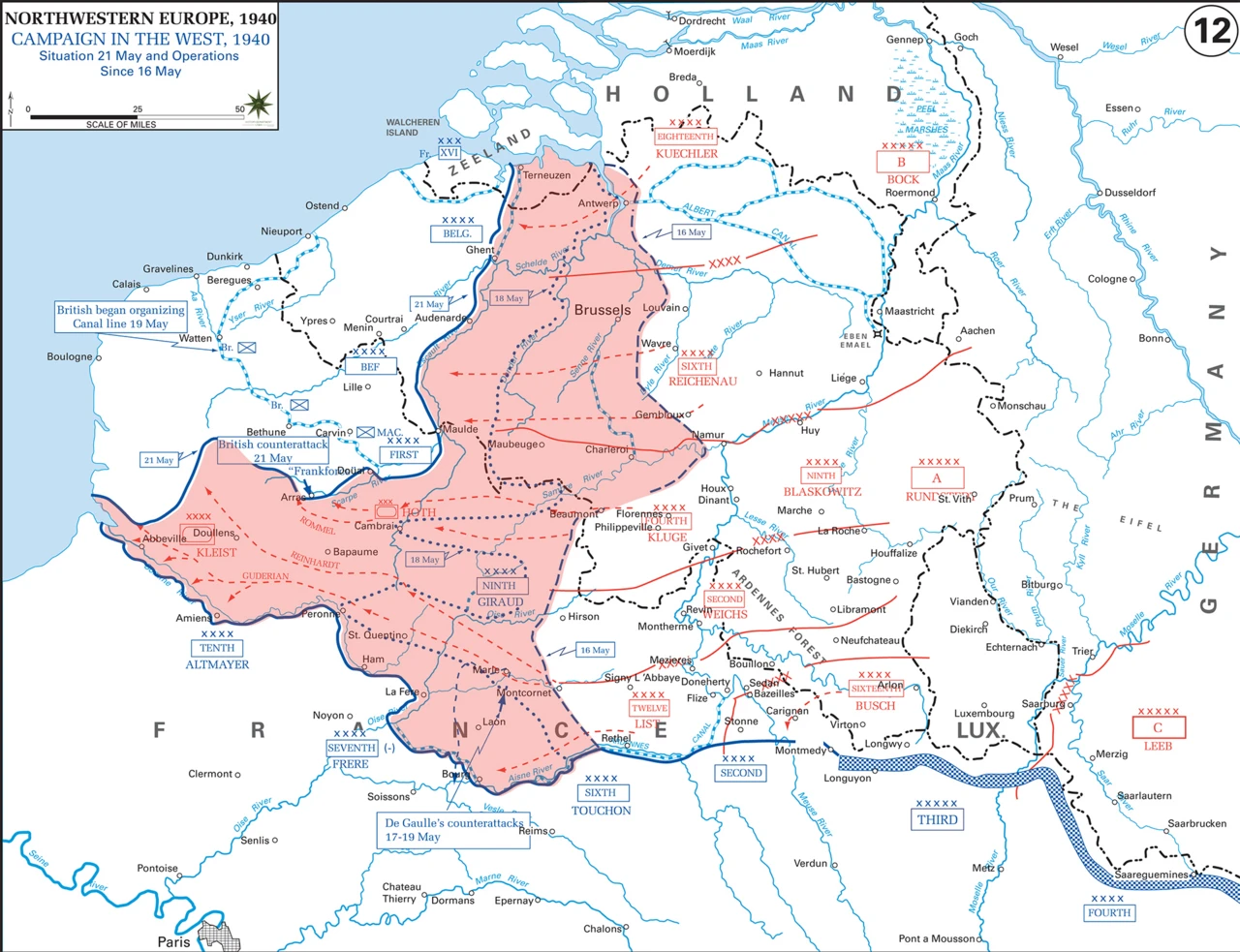
Arras — the Matildas against Rommel's flank
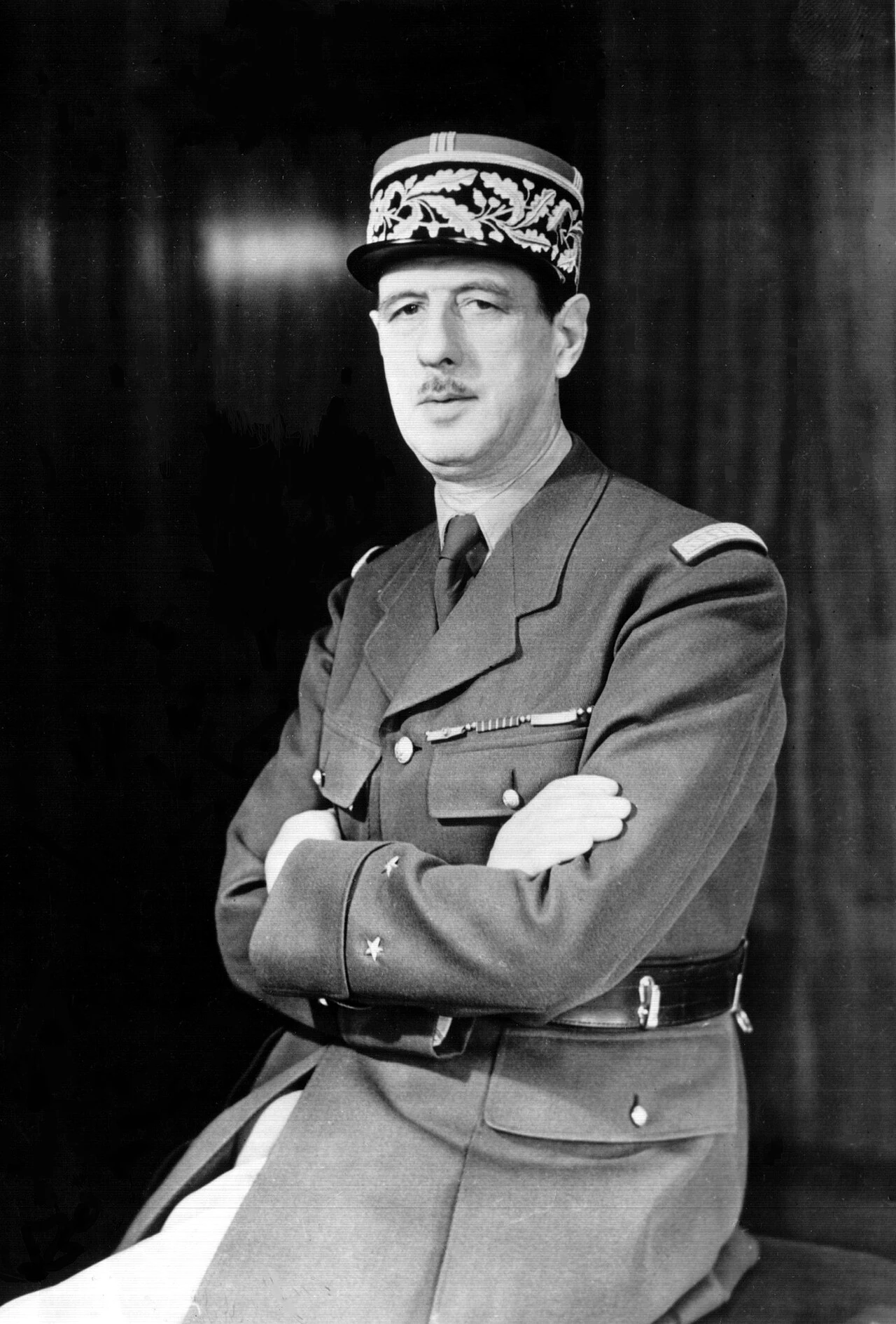
De Gaulle at Abbeville
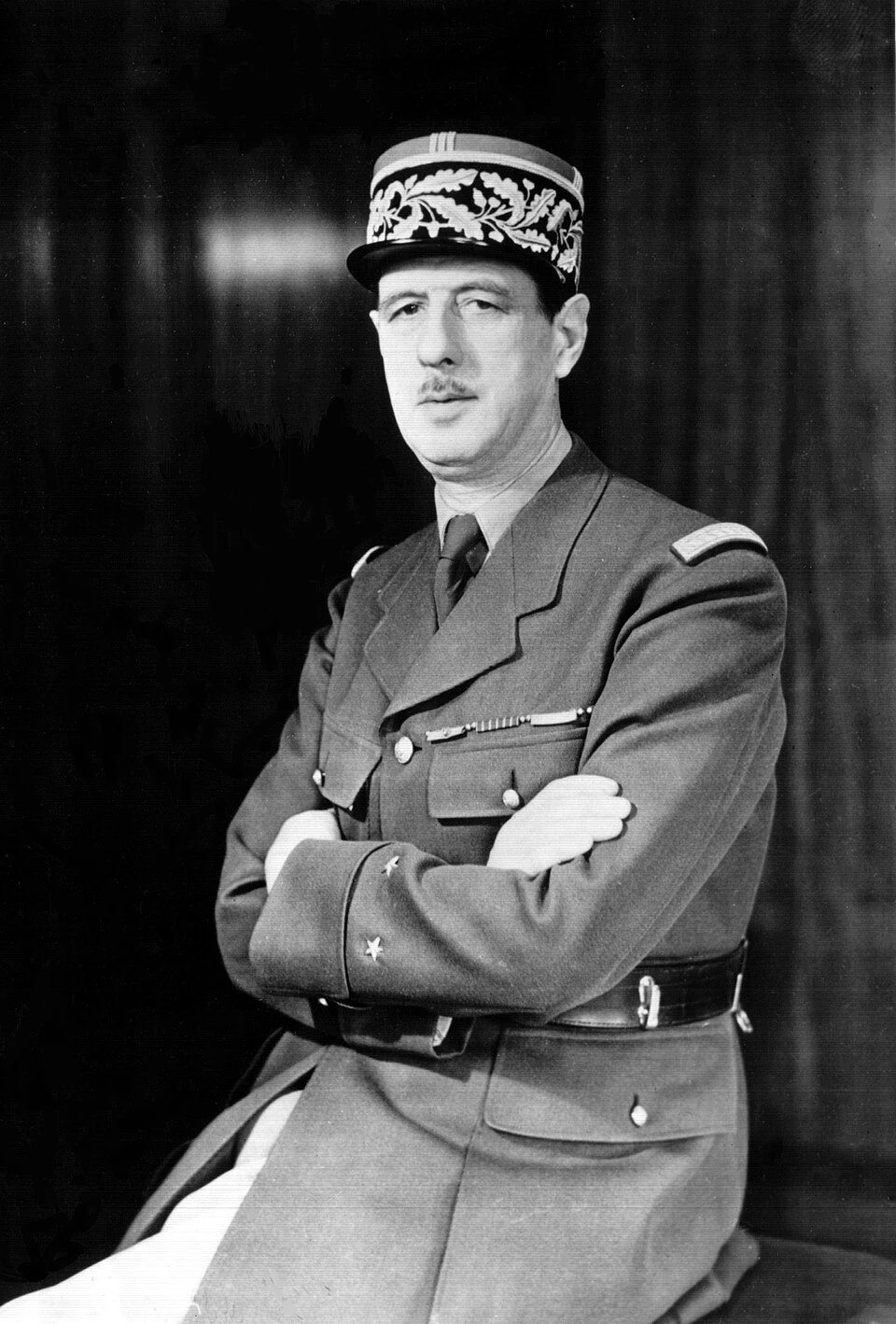
De Gaulle at Montcornet — 17 May
The Greeks at the Klisura Pass
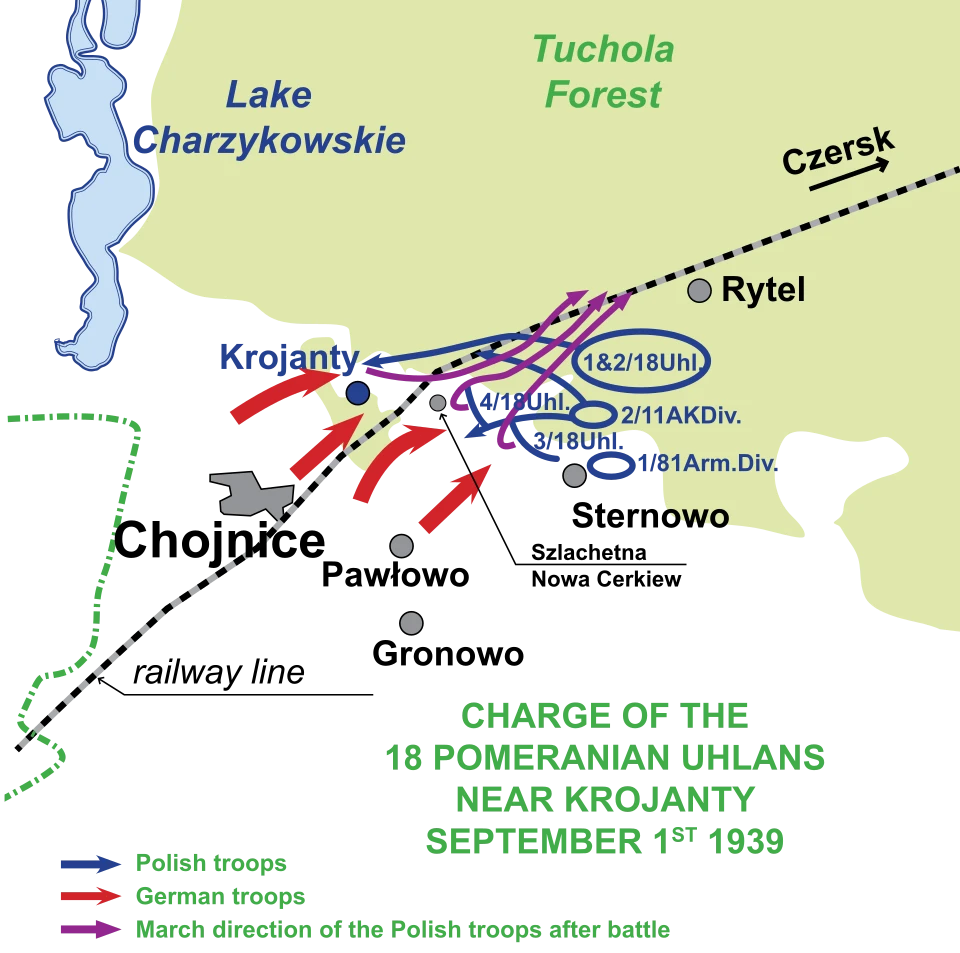
Krojanty — Mastalerz and the 18th Uhlans
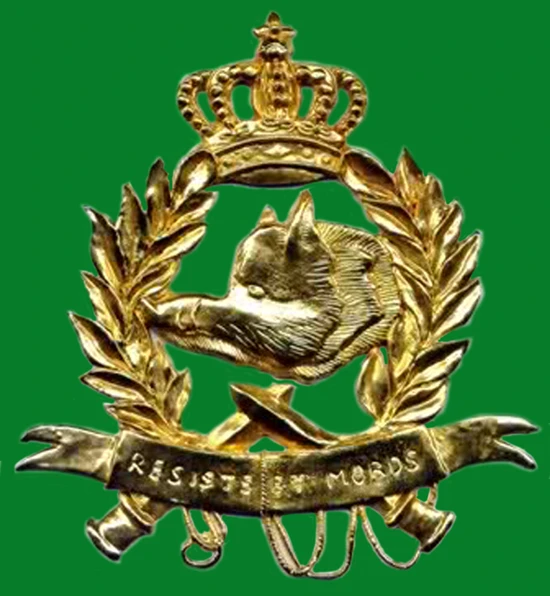
The abatis of the Chasseurs Ardennais
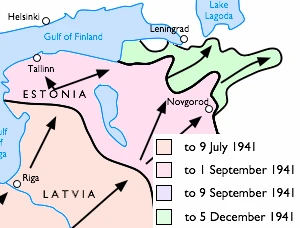
Barbarossa — 3:15 a.m.
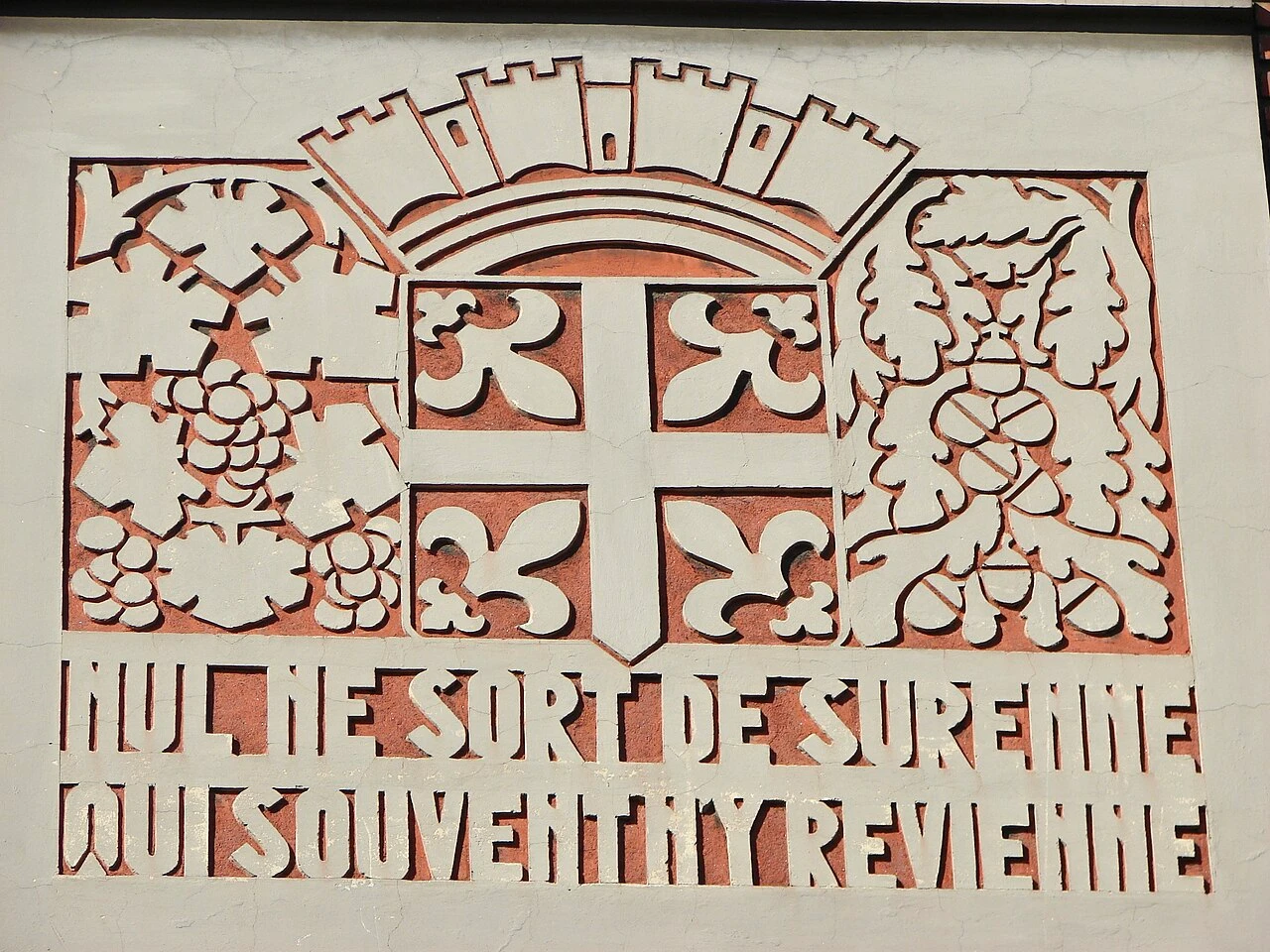
The Houx weir
The tank battle of Hannut
The Battle of the Lys
Arras — the Matildas against Rommel's flank
De Gaulle at Abbeville
De Gaulle at Montcornet — 17 May
The Greeks at the Klisura Pass
Krojanty — Mastalerz and the 18th Uhlans
The abatis of the Chasseurs Ardennais
Barbarossa — 3:15 a.m.
The Houx weir
The tank battle of Hannut
The Battle of the Lys
T18-001