
Hilfswillige: Survival or Refusal in the Transit Camp
Captured in September 1941 during the Kiev pocket, Sergeant Oleksiy D. has been held for 6 weeks in an open-air transit camp (Dulag). Around him, thousands of fellow Soviet prisoners share the same barbed-wire enclosure. Food rations are minimal, medical care almost nonexistent. The Ukrainian autumn chill is setting in.
A German NCO approaches with an interpreter: he is drawing up a list of Hilfswillige volunteers — unarmed auxiliaries assigned to logistics, kitchens, and transport. Those who sign up will be transferred to a work billet with regular rations, indoor shelter, and access to medical care. Those who remain in the enclosure keep the current ration through a winter heading for -20 °C.
Oleksiy can refuse out of loyalty to his military oath and to the USSR, staying in the enclosure; accept ostensibly while preparing a collective escape at the first opportunity; or accept the auxiliary role and give himself the best chance of surviving the winter.
After 6 weeks of captivity in lethal conditions, should this Soviet sergeant refuse out of loyalty to his oath, accept the Hilfswillige role while preparing an escape, or simply accept the role in order to survive the winter?
Those who accept the Hilfswillige role have statistically far better odds of survival. Around 1 million Soviet soldiers end up filling auxiliary roles for the Wehrmacht at one time or another. For those who remain in the open enclosures, the toll is catastrophic: historians estimate that some 2.8 million Soviet prisoners die before spring 1942 — from starvation, cold, dysentery, or execution. Survival through the auxiliary role comes at a price: those later recovered by the Soviets risk the Gulag for presumed collaboration, under NKVD regulations on former prisoners. For hundreds of thousands, the choice made in that autumn camp of 1941 is a choice for life.
Learn more about this event
Related polls
10
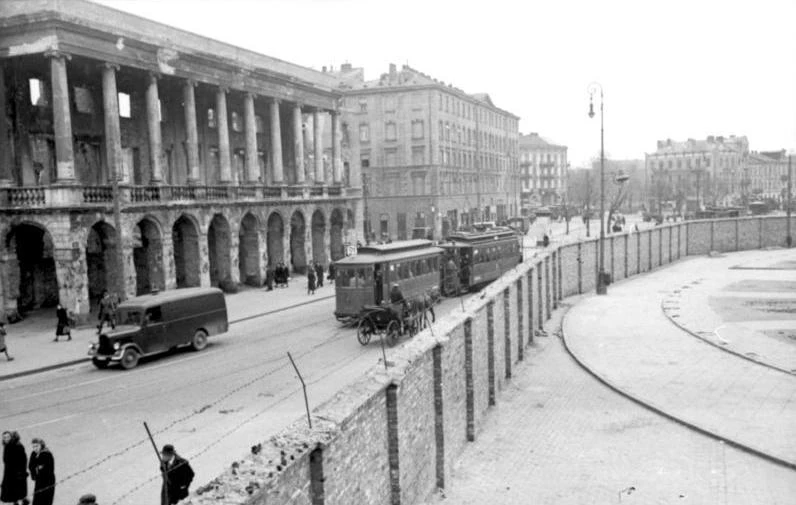
Studying in the Warsaw Ghetto
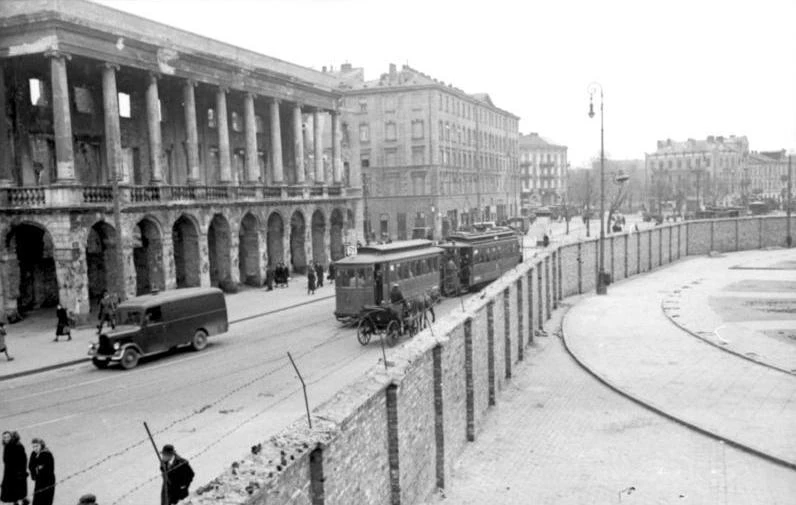
Clandestine teaching in the Warsaw Ghetto
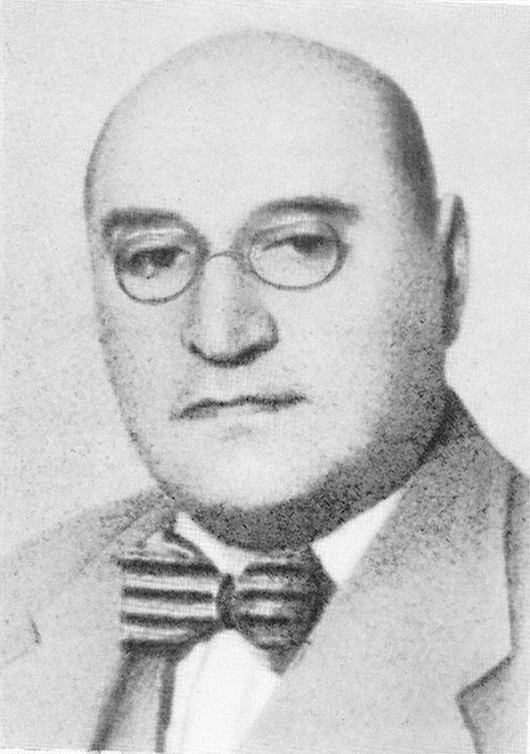
Czerniaków — the offer of the Judenrat
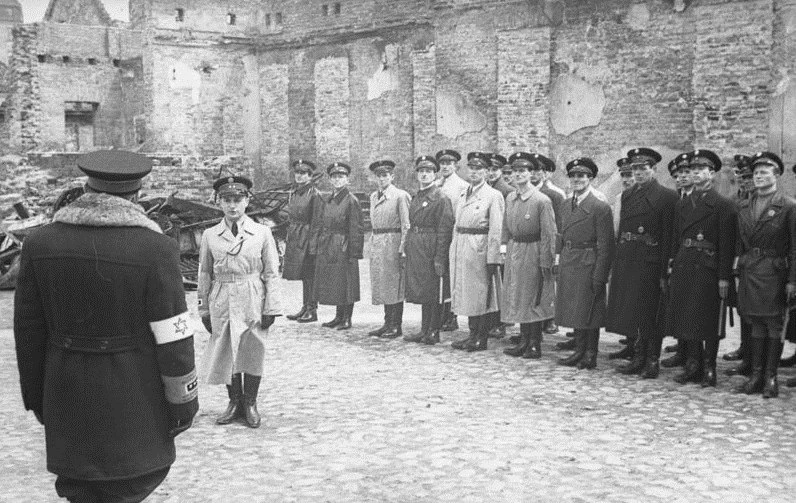
Czerniaków — the Warsaw ghetto sealed
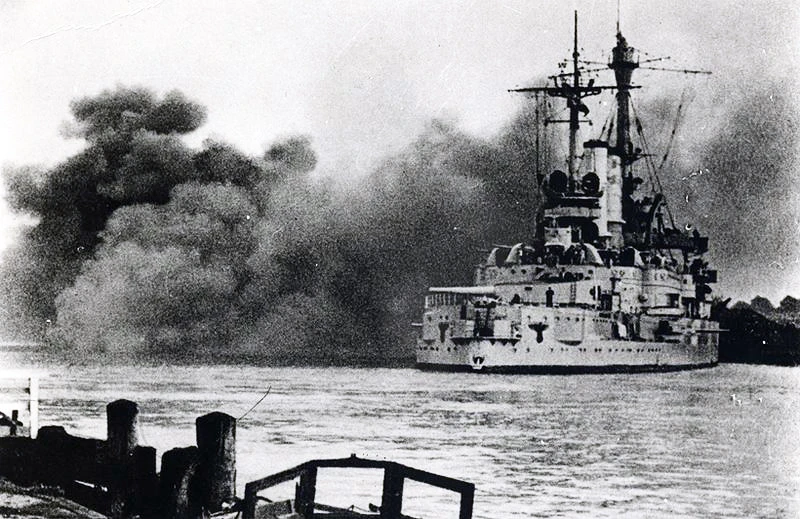
Danzig, September 1939 — the policeman of the Free City
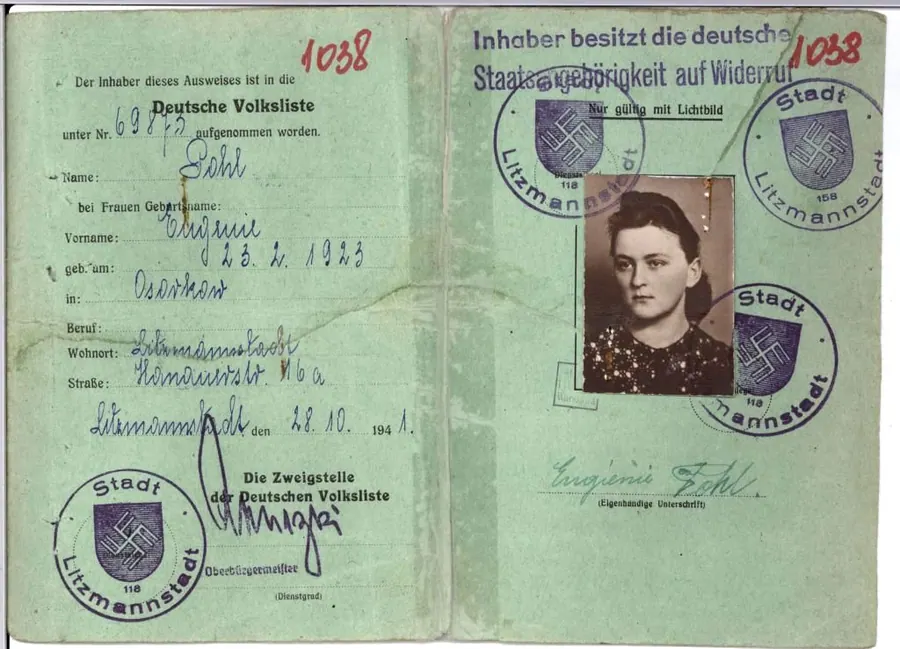
The Deutsche Volksliste — sign, or stay Polish
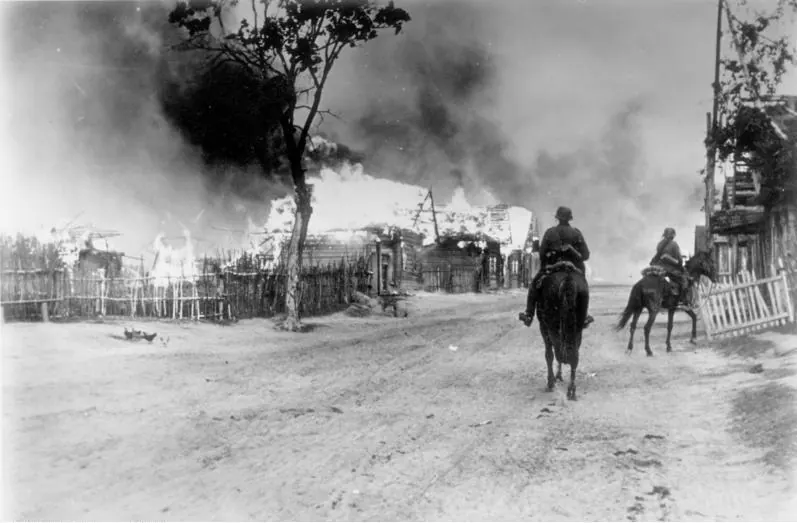
Before the enemy: the kolkhoz farm
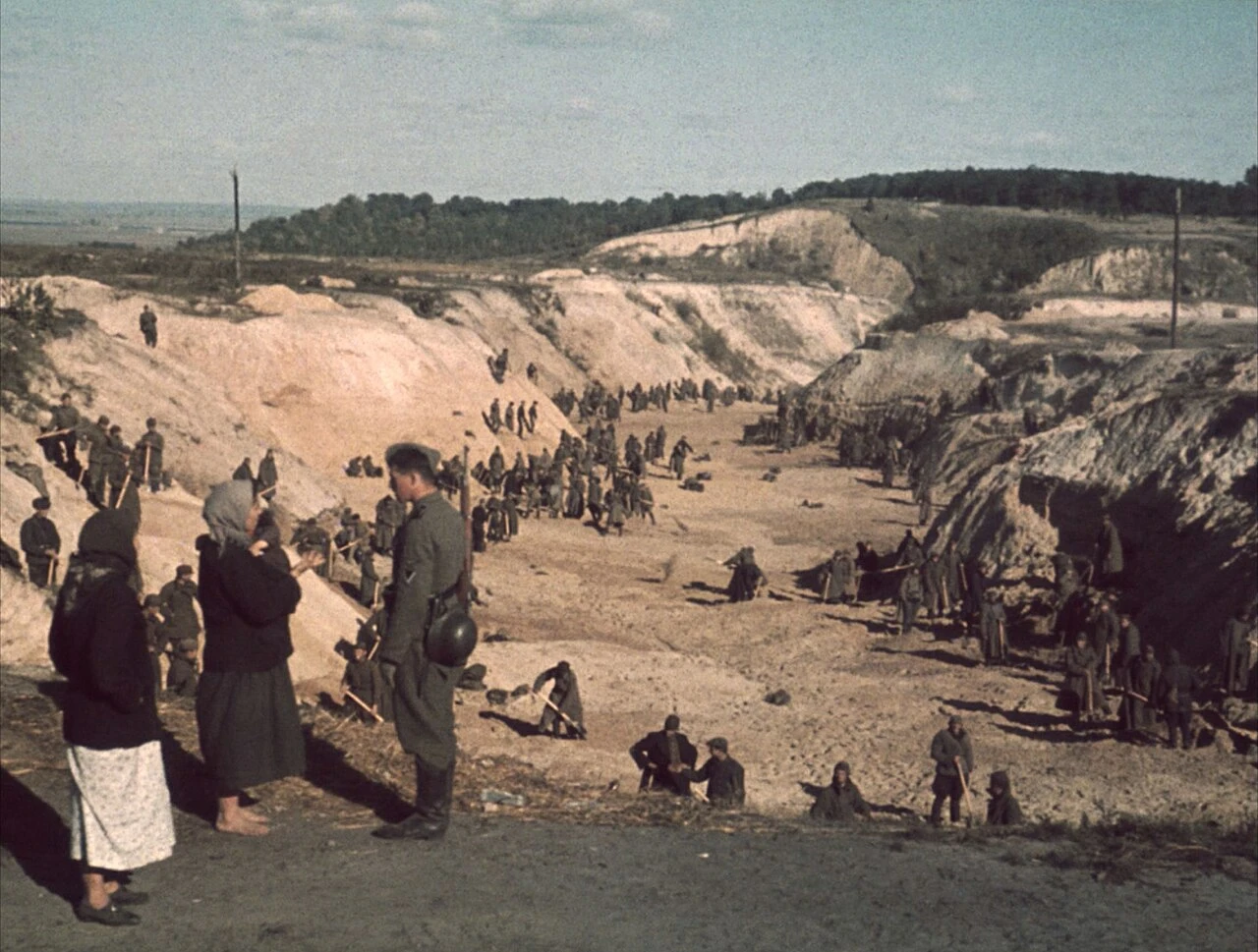
Kiev, 29 September 1941: The Posted Notice
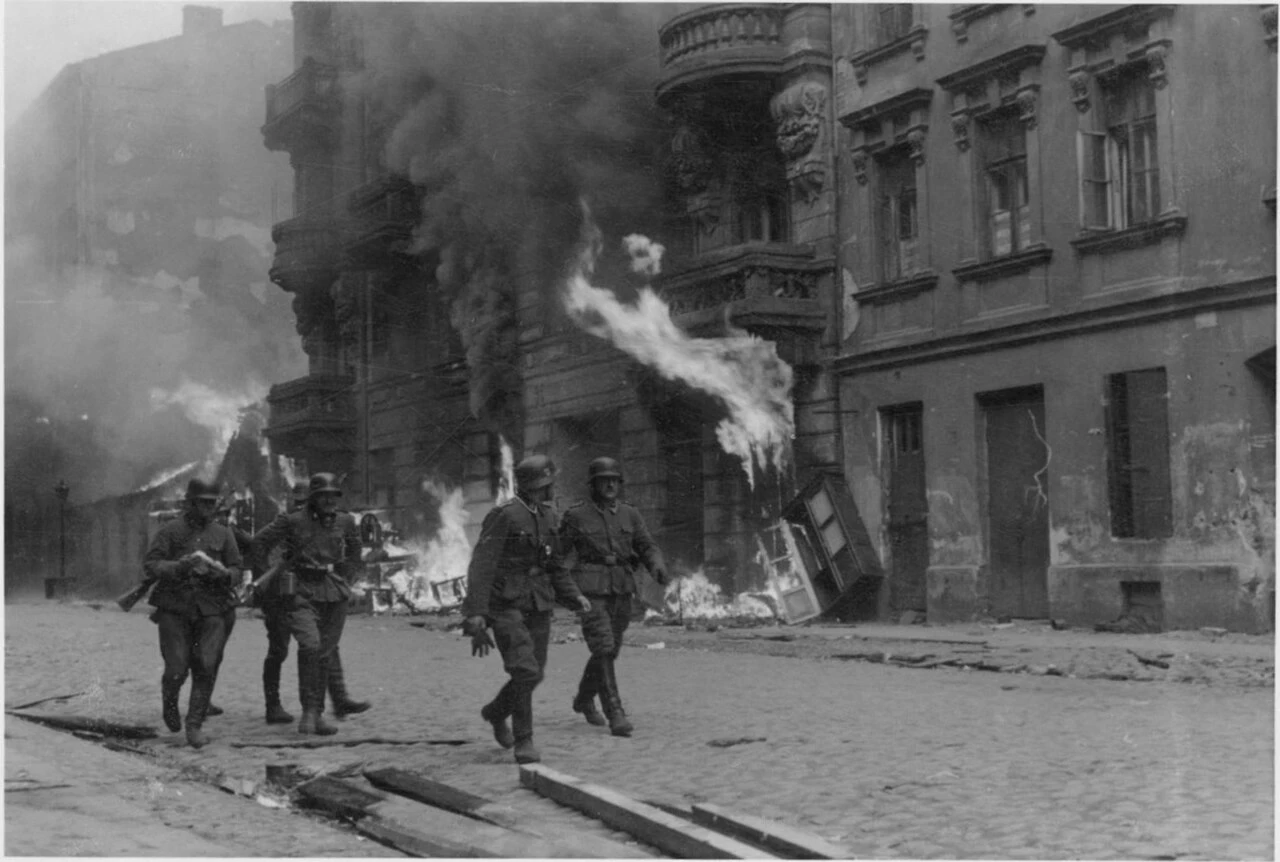
The Jewish Schoolteacher of Kazimierz
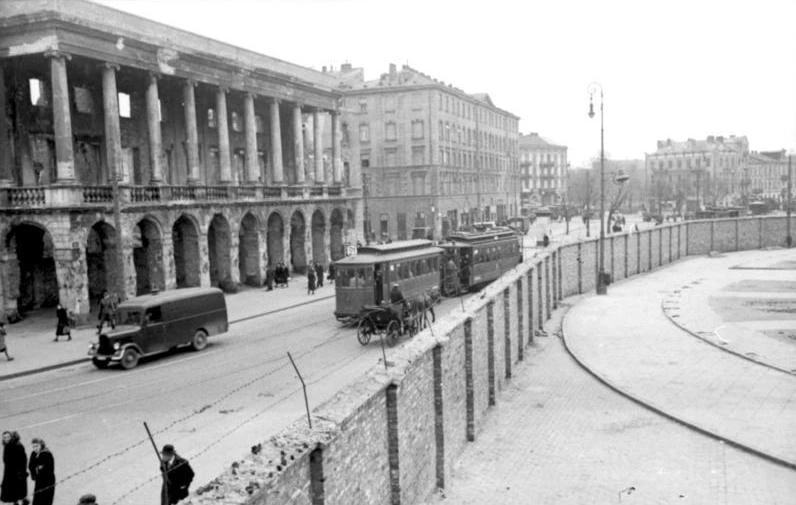
The Warsaw Ghetto — the temptation of informing
Studying in the Warsaw Ghetto
Clandestine teaching in the Warsaw Ghetto
Czerniaków — the offer of the Judenrat
Czerniaków — the Warsaw ghetto sealed
Danzig, September 1939 — the policeman of the Free City
The Deutsche Volksliste — sign, or stay Polish
Before the enemy: the kolkhoz farm
Kiev, 29 September 1941: The Posted Notice
The Jewish Schoolteacher of Kazimierz
The Warsaw Ghetto — the temptation of informing
T09-081