
SC-42: 65 ships, 2 corvettes
Convoy SC-42 numbers 65 merchant ships out of Sydney, Nova Scotia, in late August 1941. It is a slow group — 7 knots — laden with steel, fuel, and raw materials bound for Liverpool. The escort comes down to 2 corvettes: HMCS Kenogami, from which Lieutenant-Commander H. H. Rankin commands as Senior Officer Escort, and HMCS Moosejaw. Reinforcements have been requested but cannot arrive for at least 24 hours.
In the night of 9-10 September, the first explosions tear the darkness to starboard. Torpedoes. Radio signals crackle: 1, then 2, then 4 ships hit. A wolf pack has found the convoy west of Iceland. Rankin calculates: 2 corvettes covering a perimeter of several nautical miles, a black night, perhaps 8 U-boats lying in wait.
He can break off with both corvettes to hunt the submarines aggressively by sonar, temporarily leaving the convoy unscreened; maintain close escort around the merchant ships and hold out until reinforcements arrive; or request authority to scatter the convoy so that individual ships present harder targets.
Should Rankin break off to hunt U-boats aggressively, maintain close escort around the convoy while waiting for reinforcements, or recommend scattering the merchant ships?
Rankin holds his screen and sends urgent calls for help. 4 Canadian corvettes arrive on 11 September; further reinforcements on the 12th. The battle lasts 3 nights. 16 ships are sunk and over 200 sailors killed — the worst convoy disaster the Royal Canadian Navy has suffered to that point. The subsequent inquiry concludes that 2 escorts for 65 merchant ships represent a glaring insufficiency. Scattering, as PQ-17 demonstrates the following summer, proves even deadlier. The SC-42 episode accelerates Allied demands for permanent escort groups and very-long-range air cover. Rankin is commended for his conduct; the failure belongs to the system, not the commander.
Learn more about this event
Related polls
10
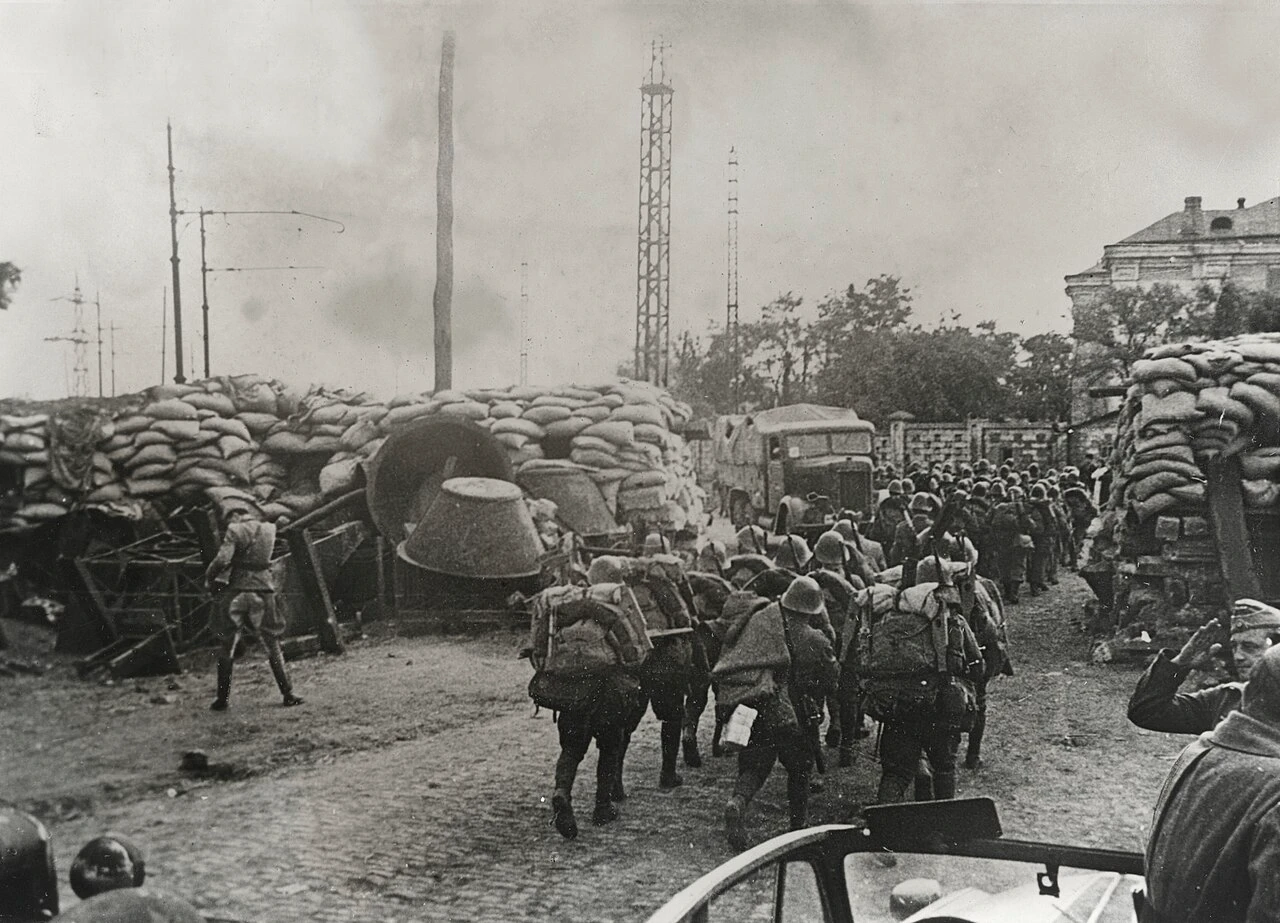
Odessa, October 1941: The Sea or Death
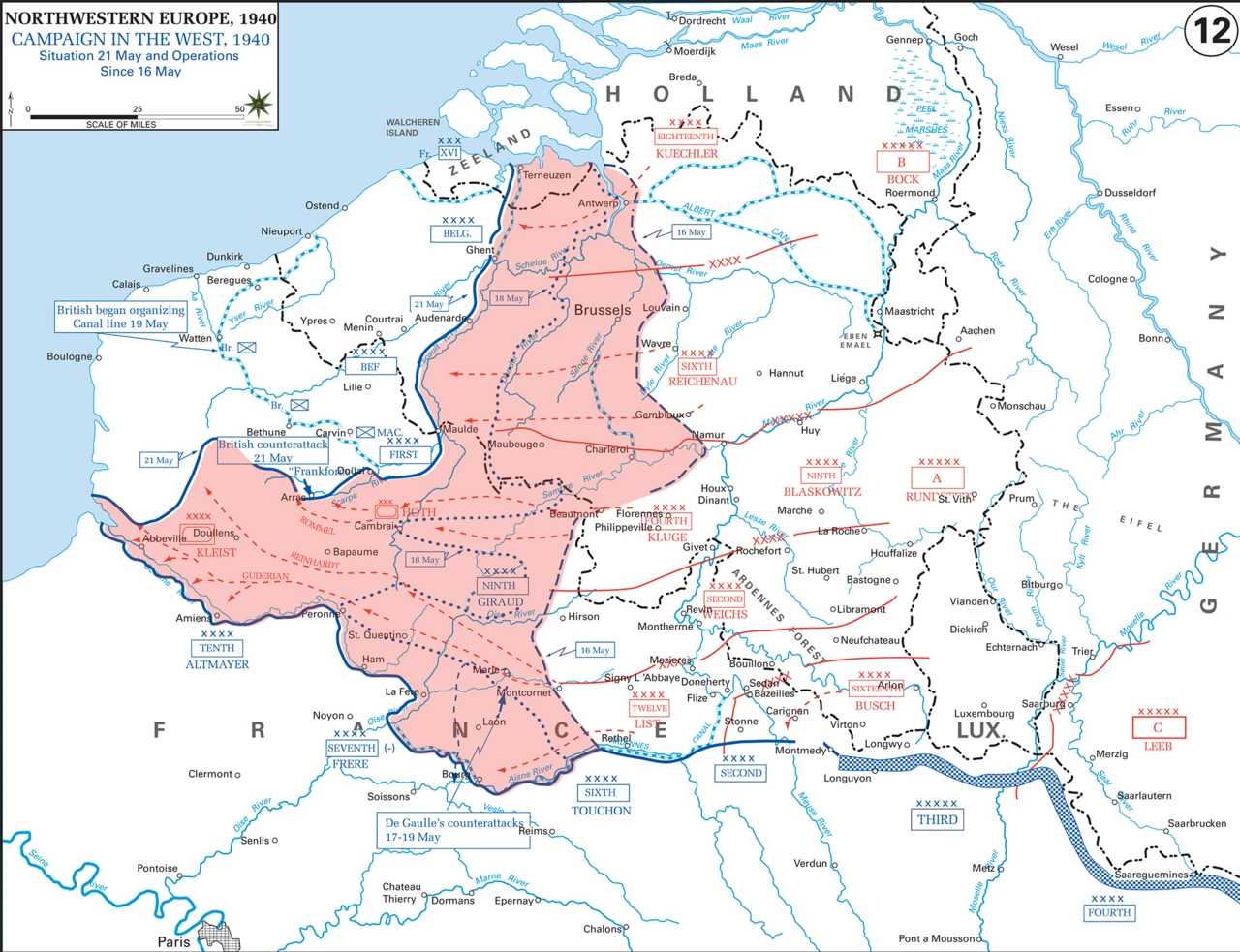
Boulogne — Fox-Pitt and the Guards facing the port
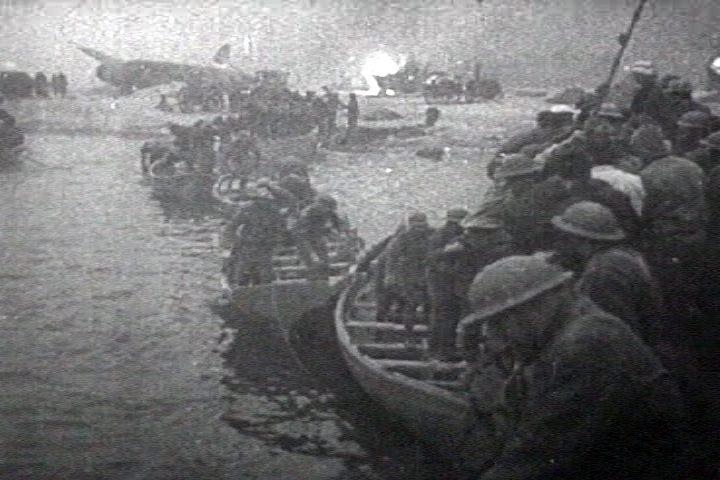
Dunkirk — Tennant and the devastated port
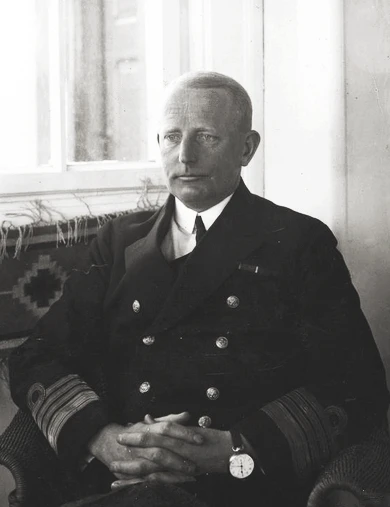
Hel — Unrug faces the German envoy
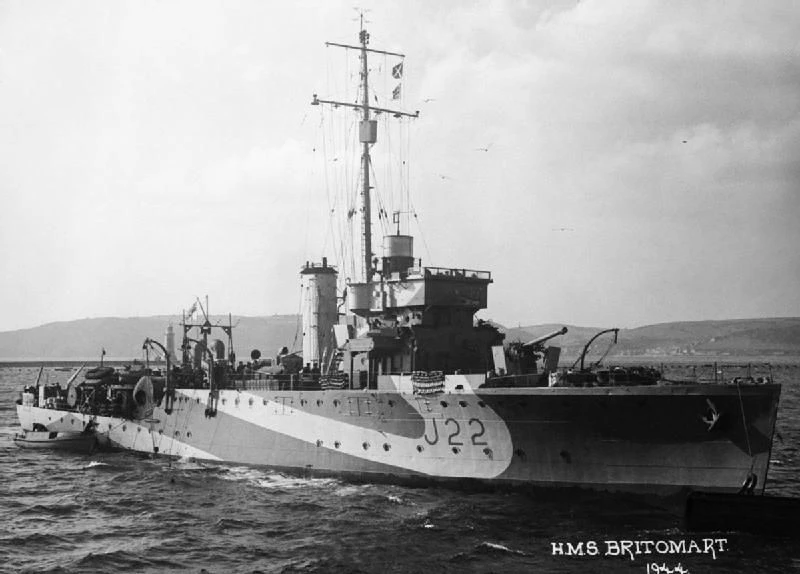
HMS Sphinx at Kinnaird Head
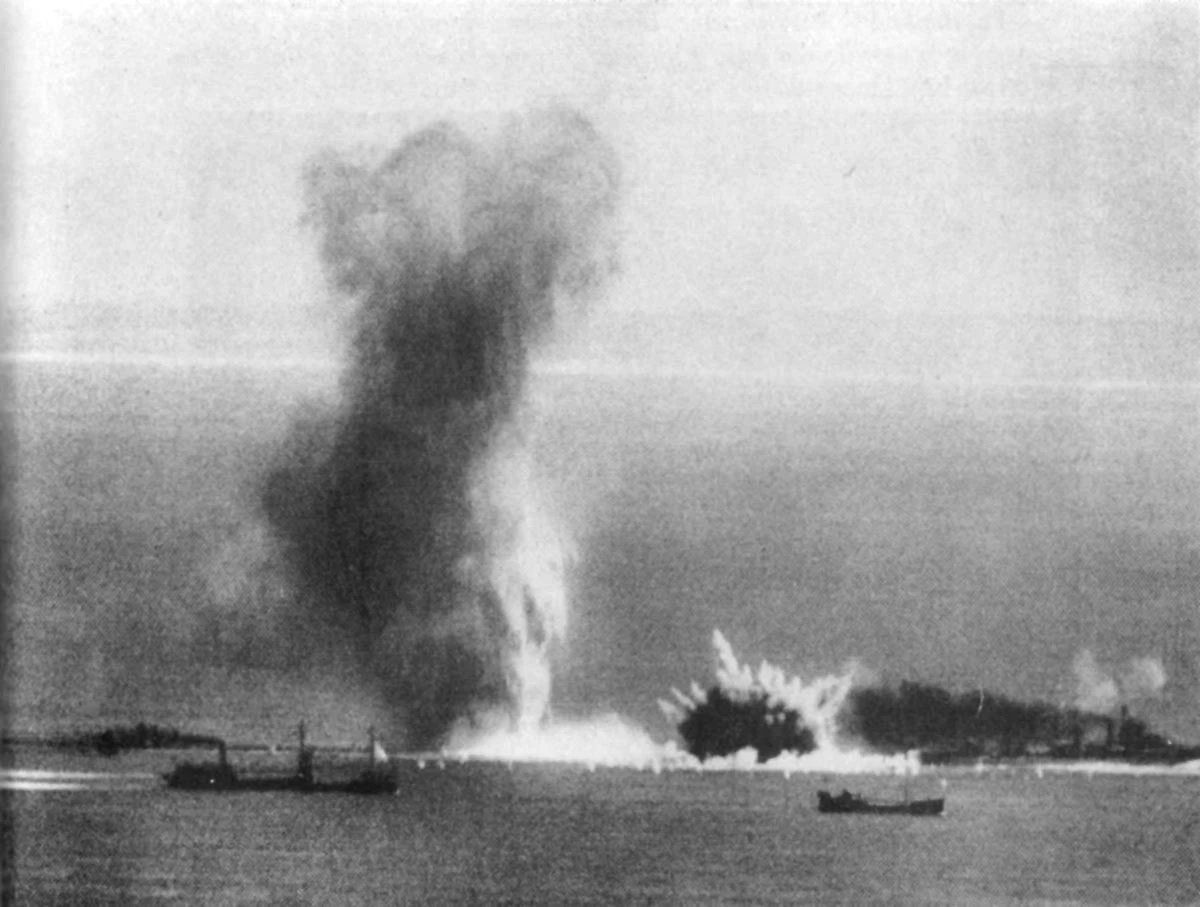
The Kanalkampf — withdraw the destroyers?
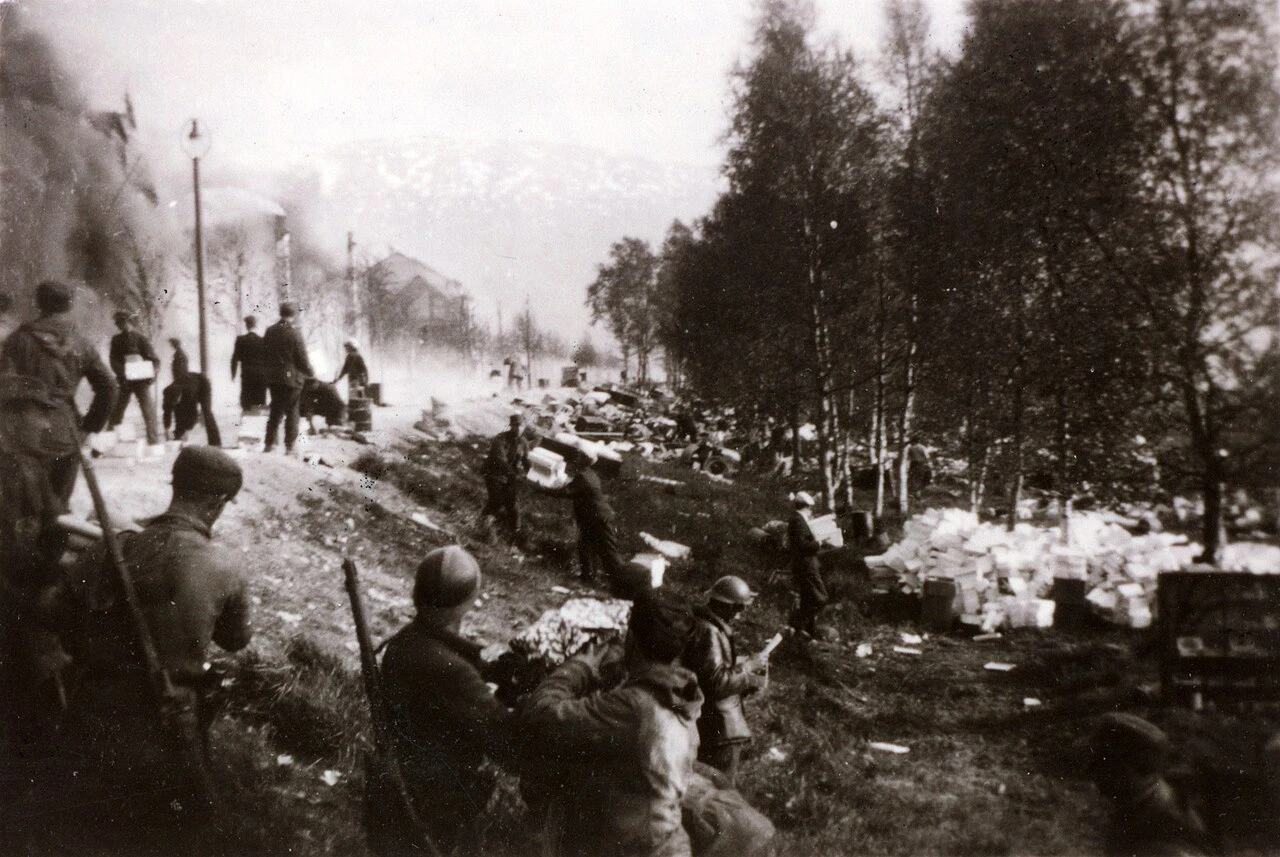
Narvik — the Allied withdrawal
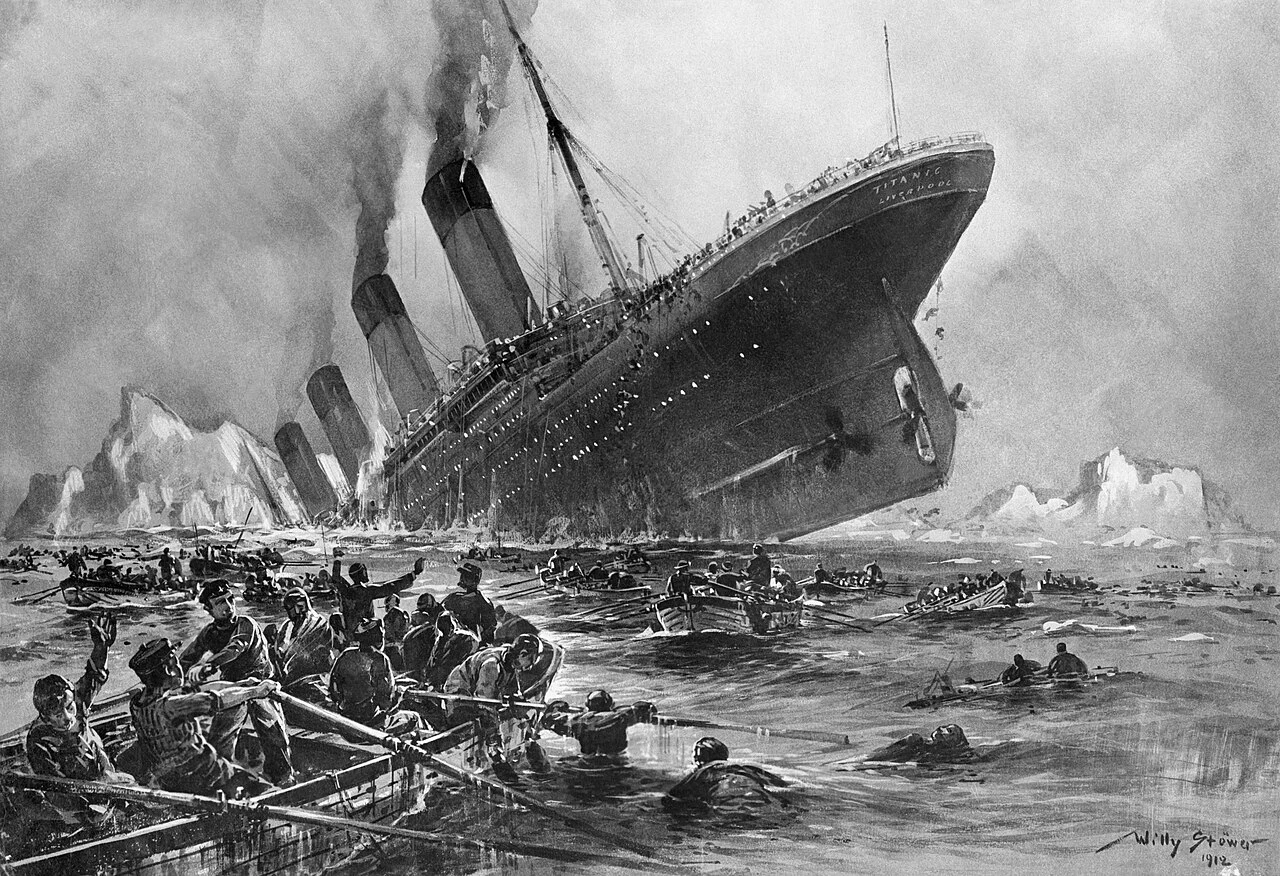
The Sinking of the Lancastria
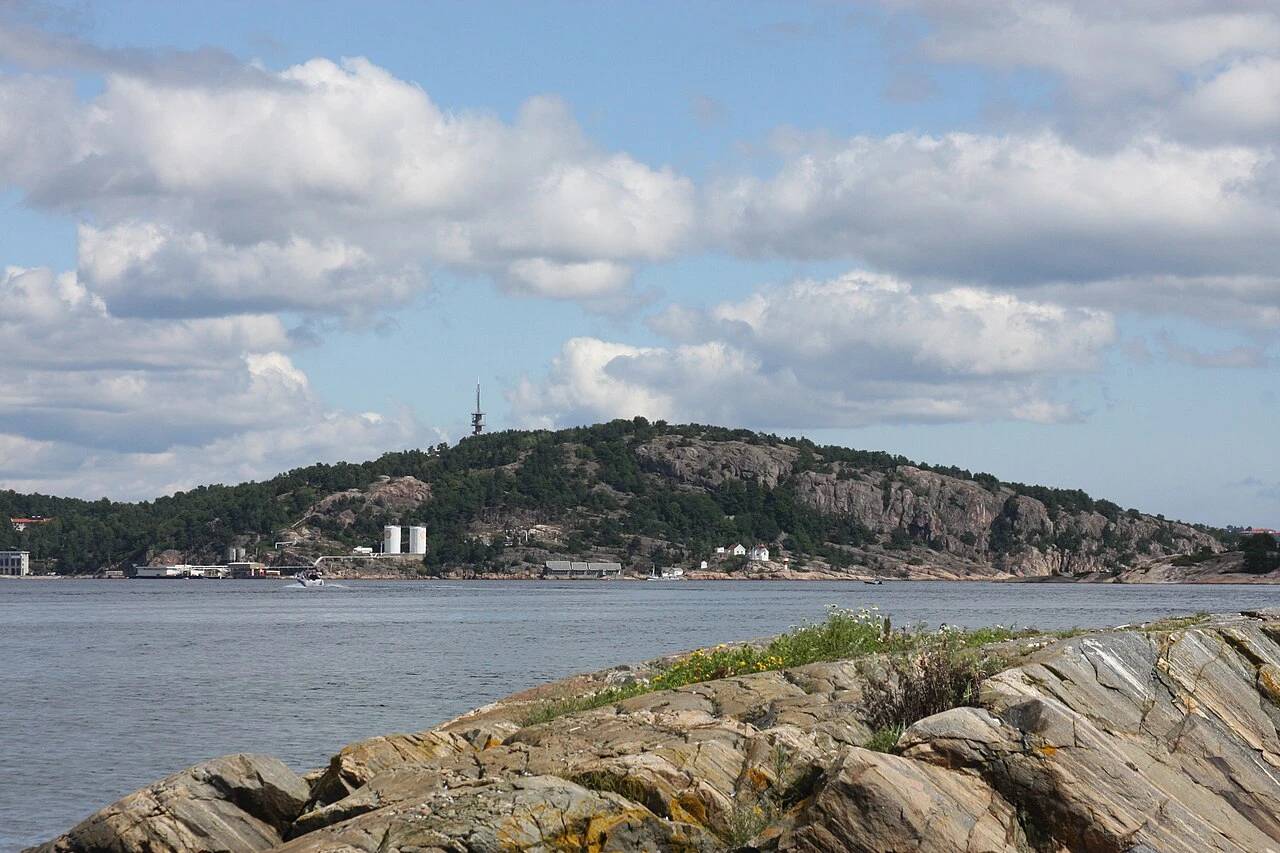
Odderoya — an identity in the mist
Oscarsborg — the intruder in the Oslofjord
Odessa, October 1941: The Sea or Death
Boulogne — Fox-Pitt and the Guards facing the port
Dunkirk — Tennant and the devastated port
Hel — Unrug faces the German envoy
HMS Sphinx at Kinnaird Head
The Kanalkampf — withdraw the destroyers?
Narvik — the Allied withdrawal
The Sinking of the Lancastria
Odderoya — an identity in the mist
Oscarsborg — the intruder in the Oslofjord
T09-074