
The Italian Corps in Russia Without Winter Gear
In November 1941, General has commanded the Italian Expeditionary Corps in Russia for 3 months — roughly 62,000 men fighting alongside the Wehrmacht in southern Ukraine. The summer campaign was hard; the divisions have pushed through the Donbass and along the lower Donets. Now autumn is here.
The problem is stark: the Germans had promised to provide Italian troops with the winter equipment they would need. That promise has not been kept. CSIR soldiers are facing the Russian winter in summer overcoats, light footwear, and no felt boots. Weather forecasts predict temperatures below -20 °C. Military doctors are already recording the first hospitalisations for frostbite.
Messe can continue the offensive operations German command is requesting, despite the immediate risk to his men; lodge a formal protest with both German command and Rome, suspending offensive operations until the equipment arrives; or pull the most exposed units back to compact defensive positions unilaterally, without prior consultation.
Facing the Russian winter with no cold-weather equipment, should Messe continue offensive operations as the Germans demand, lodge a formal protest and suspend them, or pull his most exposed units back without consultation?
Messe suspends offensive operations and addresses a formal note to both German command (Rundstedt) and Mussolini, stating that his men cannot conduct winter warfare without proper equipment. The Germans receive it coolly, regarding their ally as lacking fighting spirit. Rome promises a trickle of winter supplies. Messe holds his ground and protects his most vulnerable units. The decision saves hundreds of lives. In 1943, when the Italians of the successor army (ARMIR) collapse at Stalingrad under similar conditions but without the same resistance from their commander, the contrast with Messe's careful management in 1941 is frequently cited by Italian historians.
Learn more about this event
Related polls
10
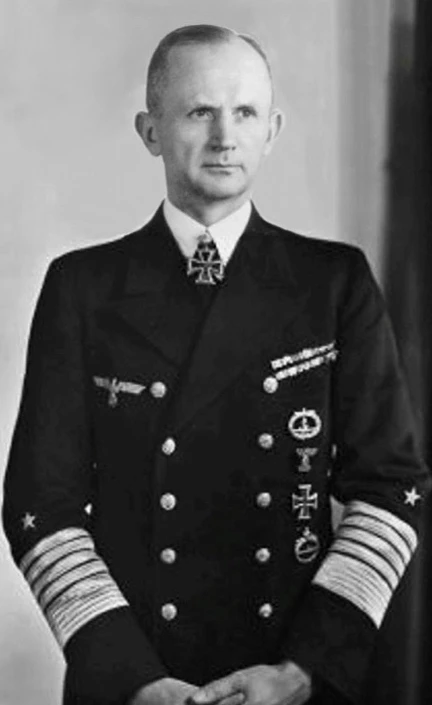
Dönitz and Operation Drumbeat
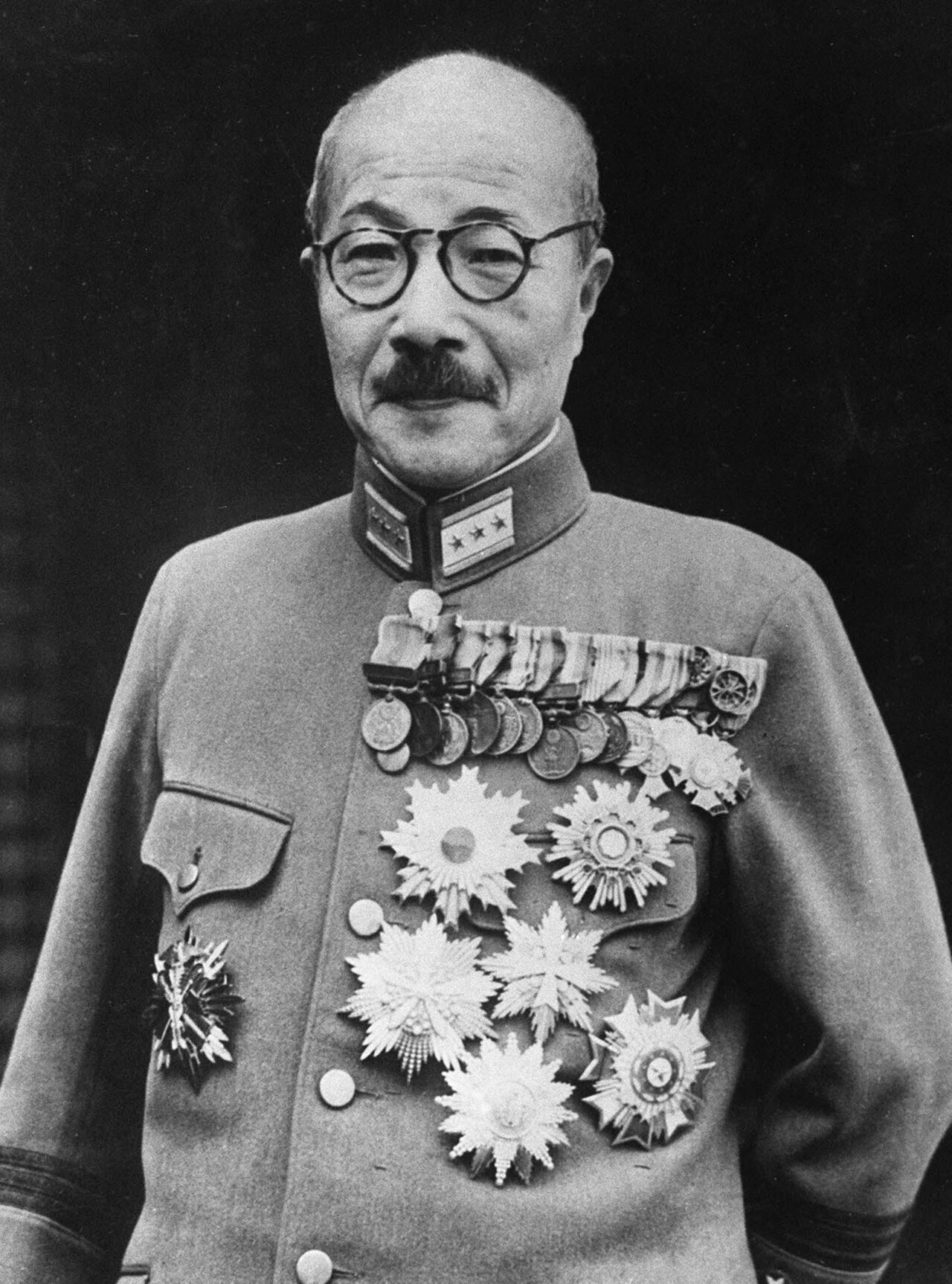
Japan and the Southern Resource Zone
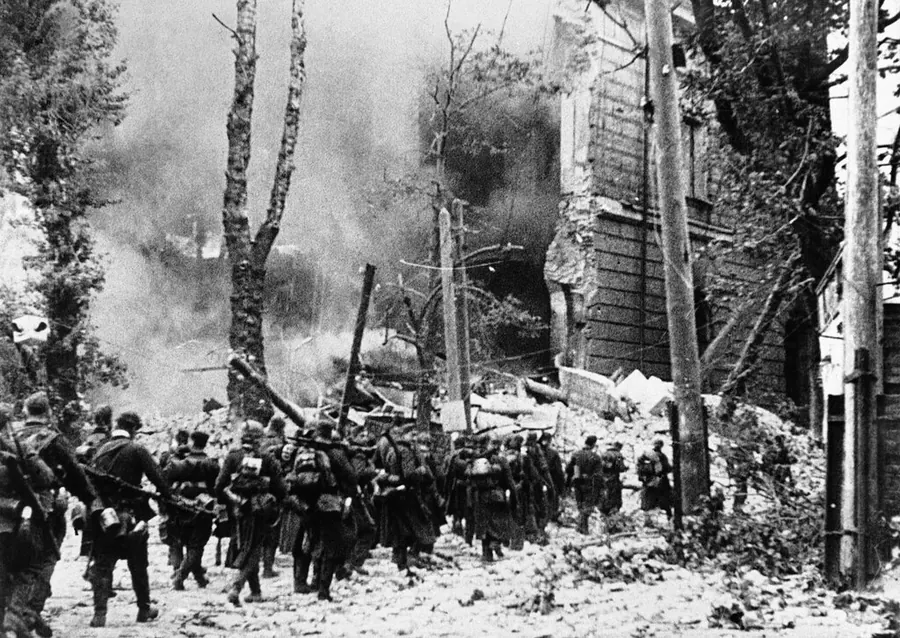
The Captives of the Ukrainian Pockets
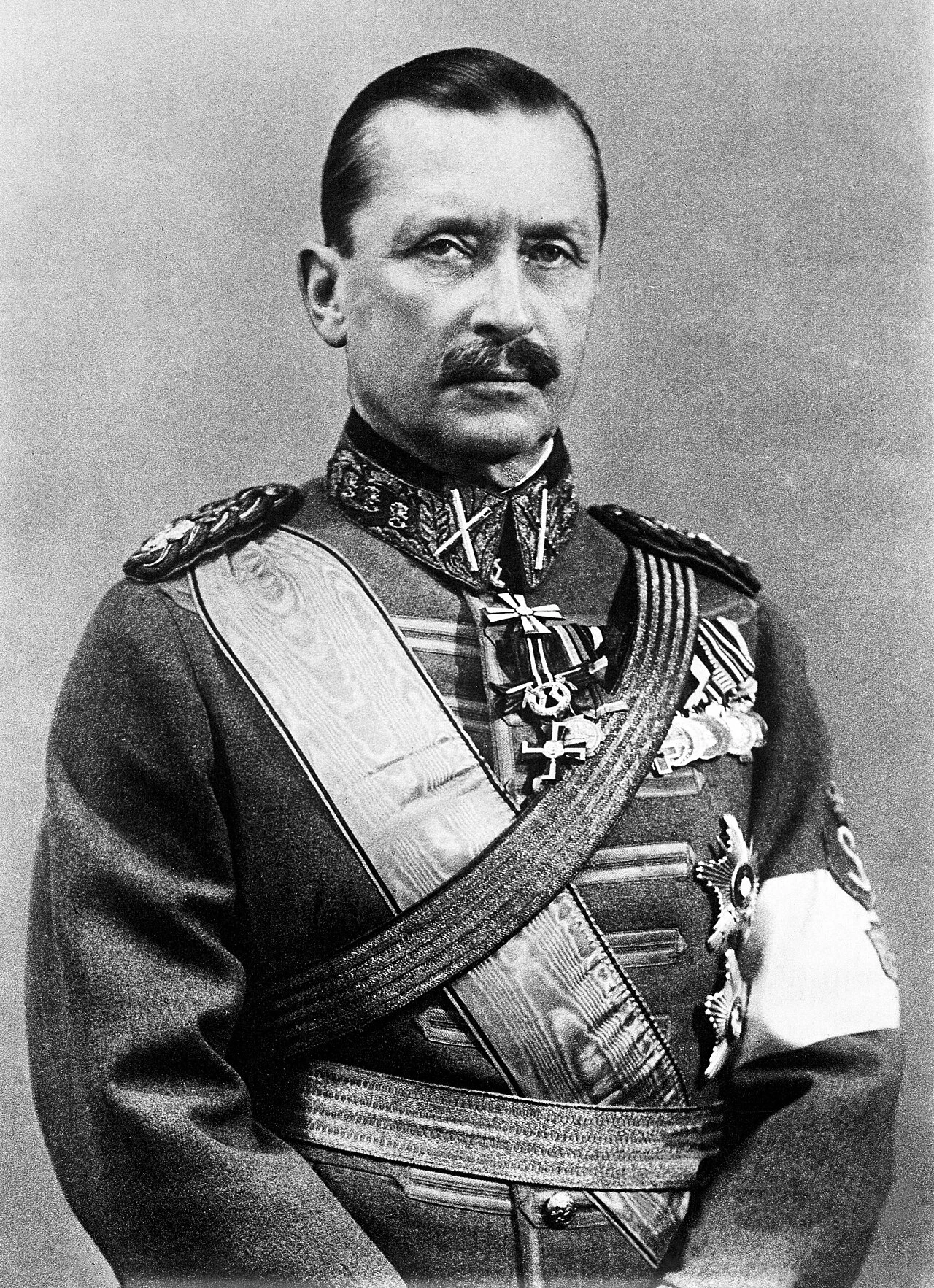
Mannerheim at the Svir
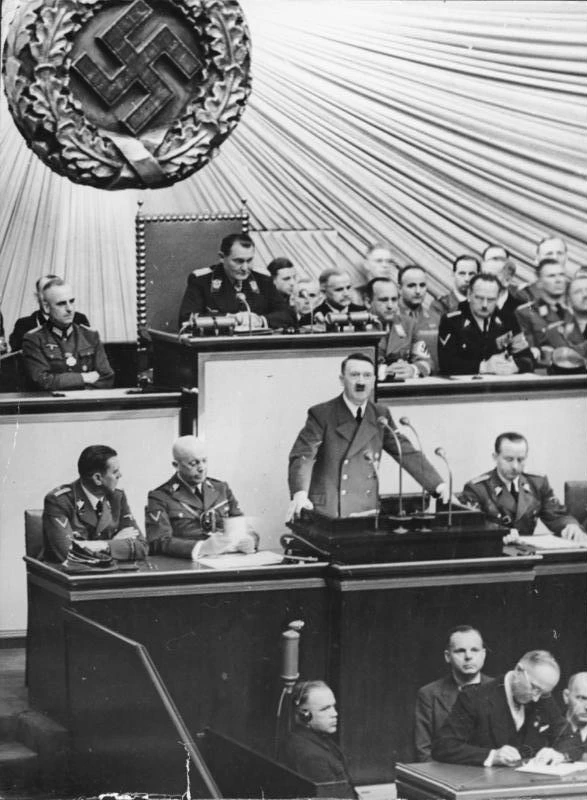
Hitler — the Reichstag Speech
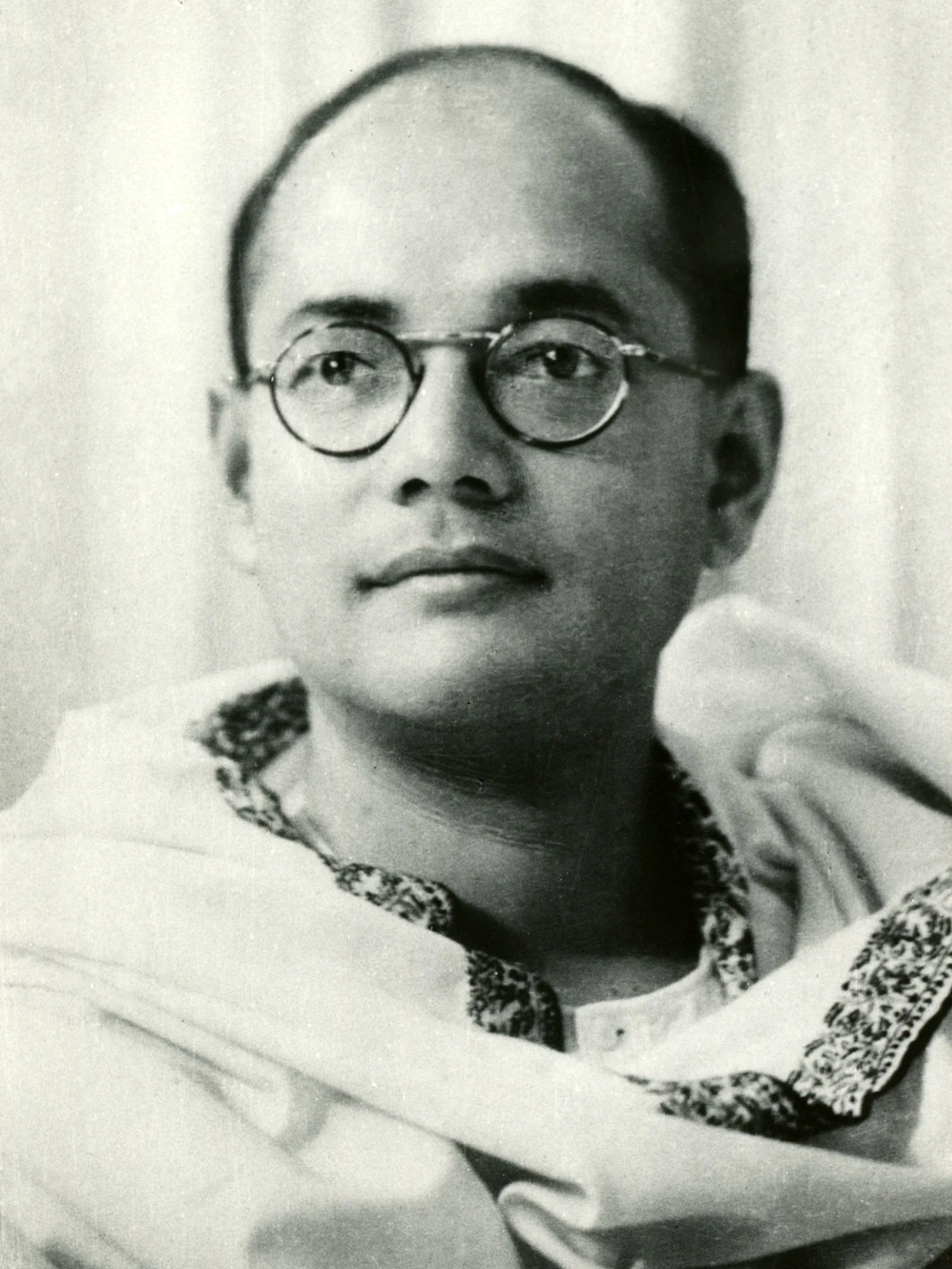
The Indische Legion — Subhas Chandra Bose in Berlin
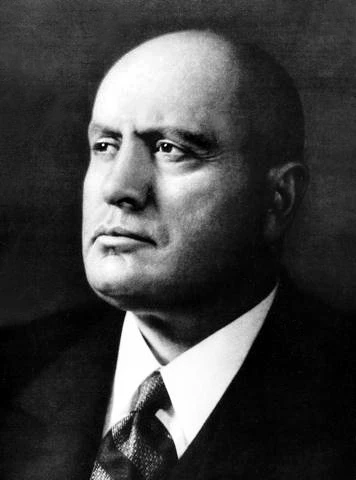
Mussolini on the Riviera — 21 June
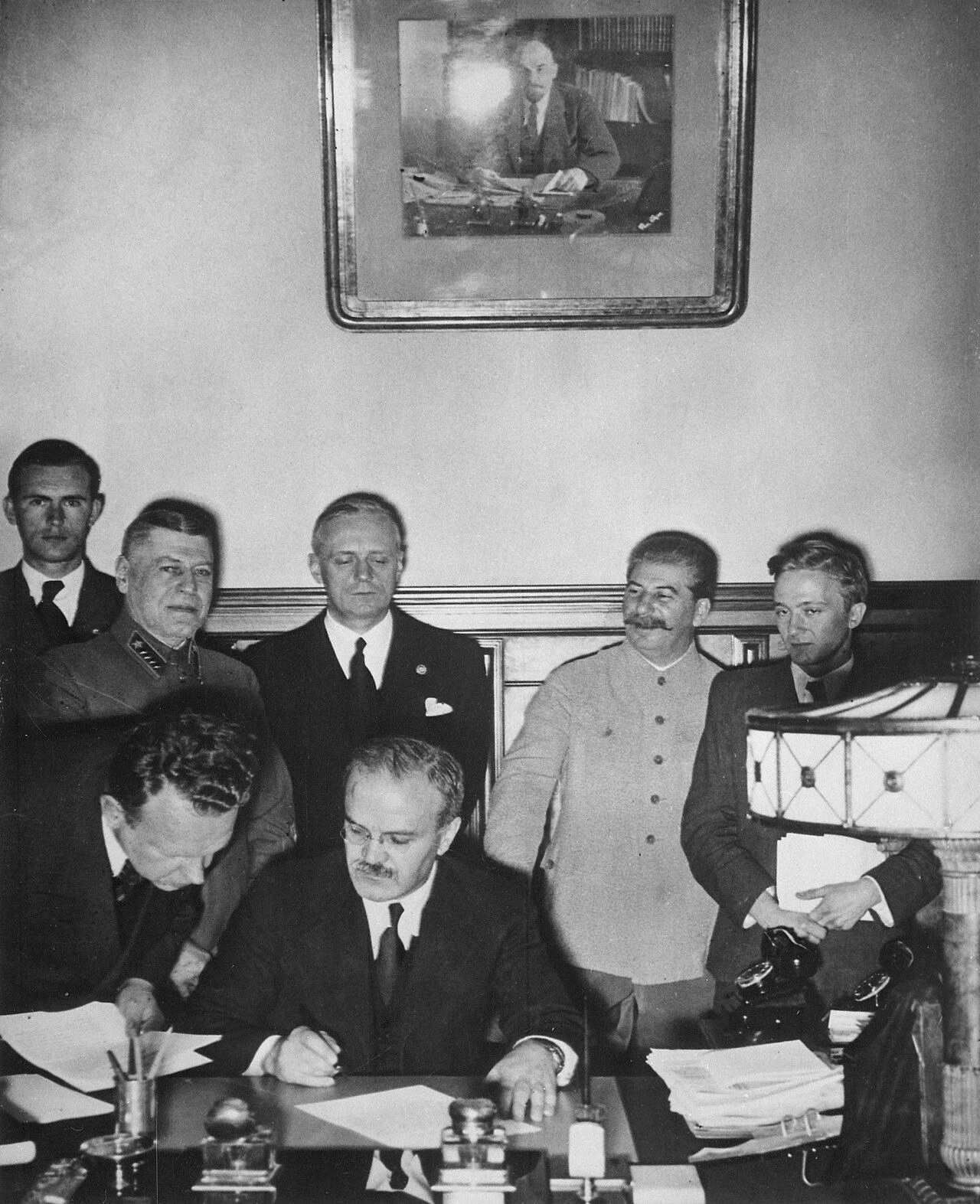
Schnurre in Moscow — the Commercial Agreement
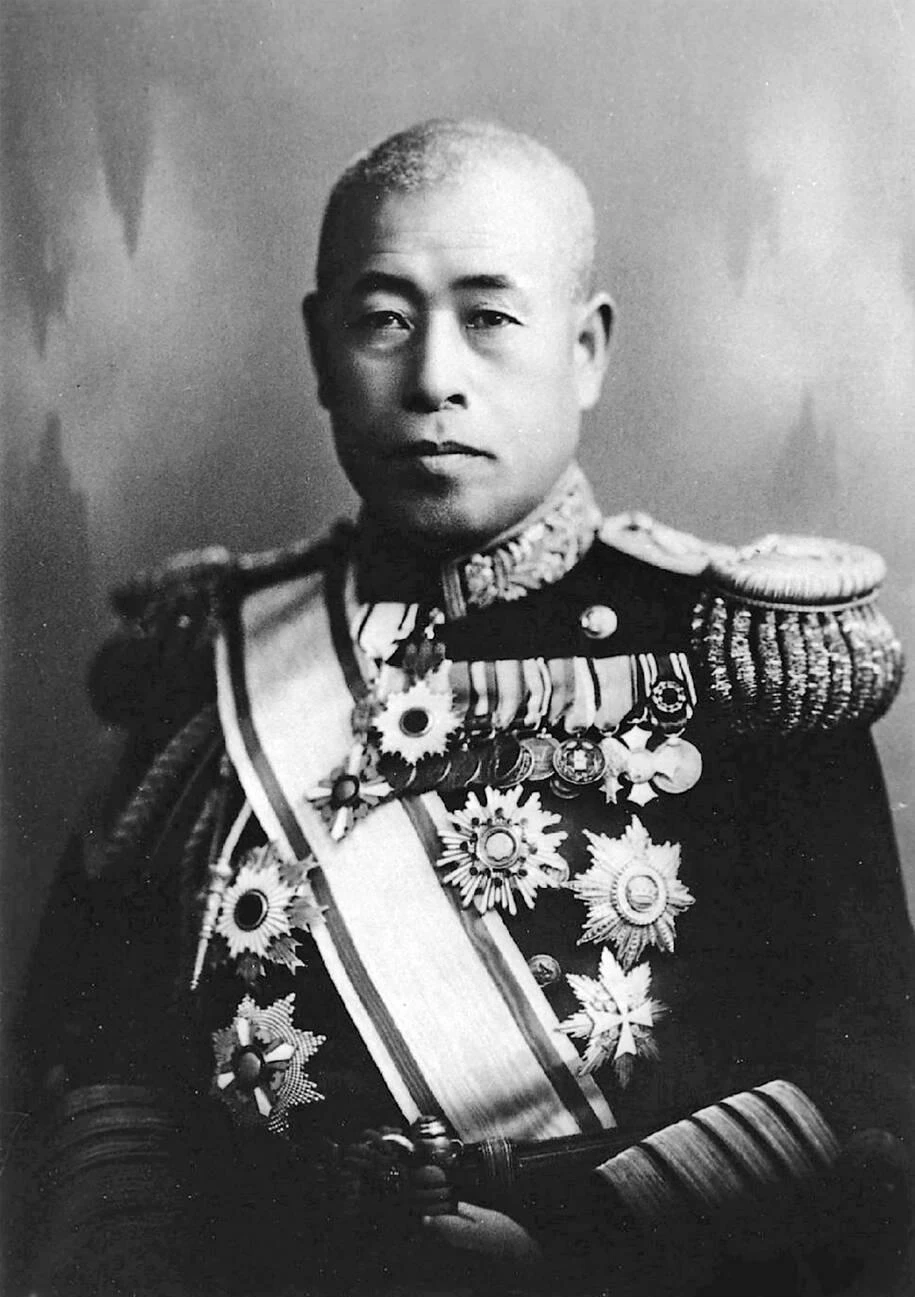
A Raid 6,000 Kilometers Away: The Admiral's Gamble
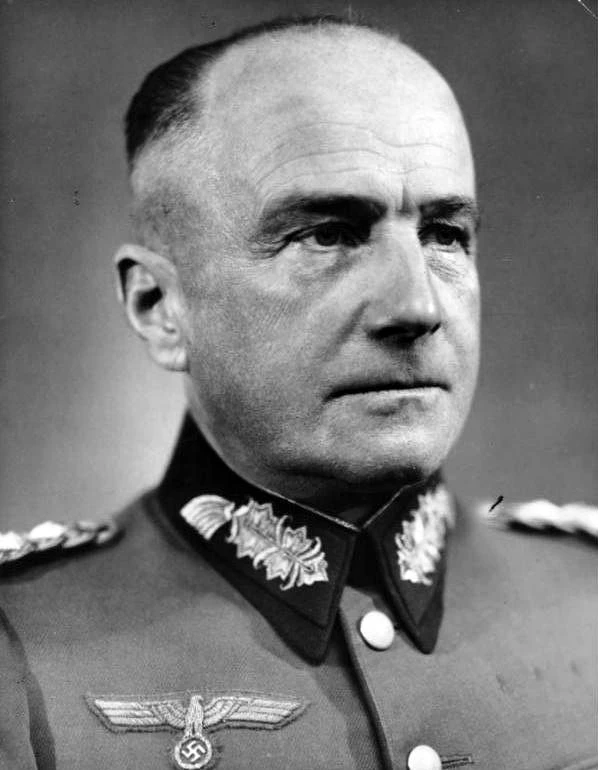
Brauchitsch — Reich Chancellery, 5 November
Dönitz and Operation Drumbeat
Japan and the Southern Resource Zone
The Captives of the Ukrainian Pockets
Mannerheim at the Svir
Hitler — the Reichstag Speech
The Indische Legion — Subhas Chandra Bose in Berlin
Mussolini on the Riviera — 21 June
Schnurre in Moscow — the Commercial Agreement
A Raid 6,000 Kilometers Away: The Admiral's Gamble
Brauchitsch — Reich Chancellery, 5 November
T09-080