
A Polish Priest and the Gestapo
Father T., a curate in a parish on the outskirts of Kraków, is 45 years old and has survived 2 years of occupation. He has learned not to see what it is better not to have seen. But he has known for several weeks that a Jewish family — father, mother, and their 2 children — is hiding in the cellar of a house 200 metres from his presbytery.
In November 1941, a General Government decree makes the death penalty mandatory for any Pole who helps, shelters, or feeds a Jew — and for all members of that person's family. The penalty applies to neighbours as well. The Gestapo is conducting systematic searches in the neighbourhood, and informers have been recruited. This morning a summons arrives at the presbytery for a routine interview with the district commissioner. He does not know whether the Gestapo has a specific lead or whether this is a routine check.
He can stay silent during the interview and deny any knowledge of irregularities in his neighbourhood; quietly warn the family before going to the interview, to give them time to move; or disclose to the Gestapo what he knows, to avoid consequences for his parish and his own family.
Summoned for a routine Gestapo interview, should this priest stay silent about a Jewish family he knows to be hiding nearby, quietly warn that family first, or reveal what he knows?
Most Poles who know of Jews hiding in their neighbourhood choose silence, in a context of collective death penalty unique in occupied Europe. It is estimated that around 450,000 Polish Jews receive help or shelter at some point, involving 1 to 3 million Poles. The Catholic Church issues no centralised official directive. Some priests provide forged baptism certificates, others know without acting, a few denounce. Yad Vashem recognises more than 6,700 Poles as Righteous Among the Nations — the highest national total — reflecting both the help given and the scale of the need. The question this fictional Kraków priest faces is the question of hundreds of thousands of neighbours across occupied Poland.
Learn more about this event
Related polls
10
Studying in the Warsaw Ghetto
Clandestine teaching in the Warsaw Ghetto
The Belgrade medical student and the call of the Partisans
The Jewish Schoolteacher of Kazimierz
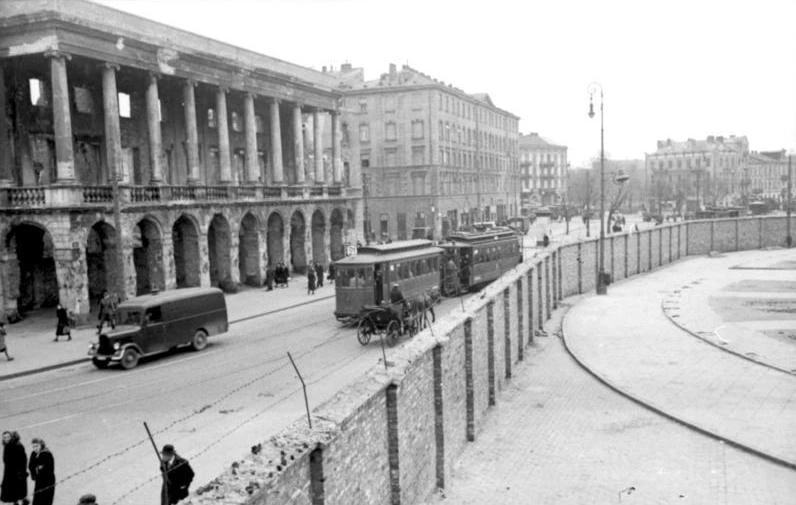
The Warsaw Ghetto — the temptation of informing
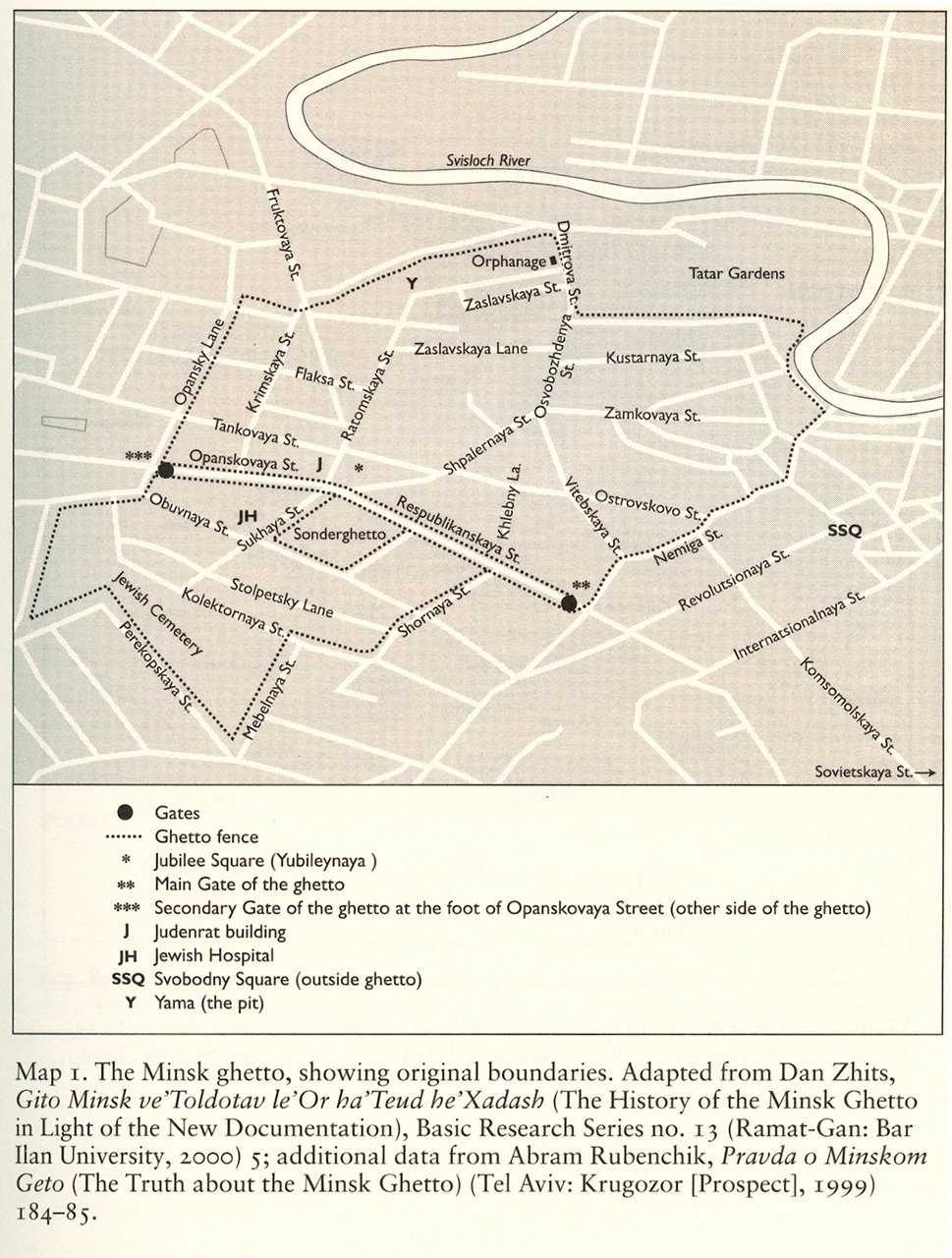
A young Belarusian woman in occupied Minsk
The Banned Czech University
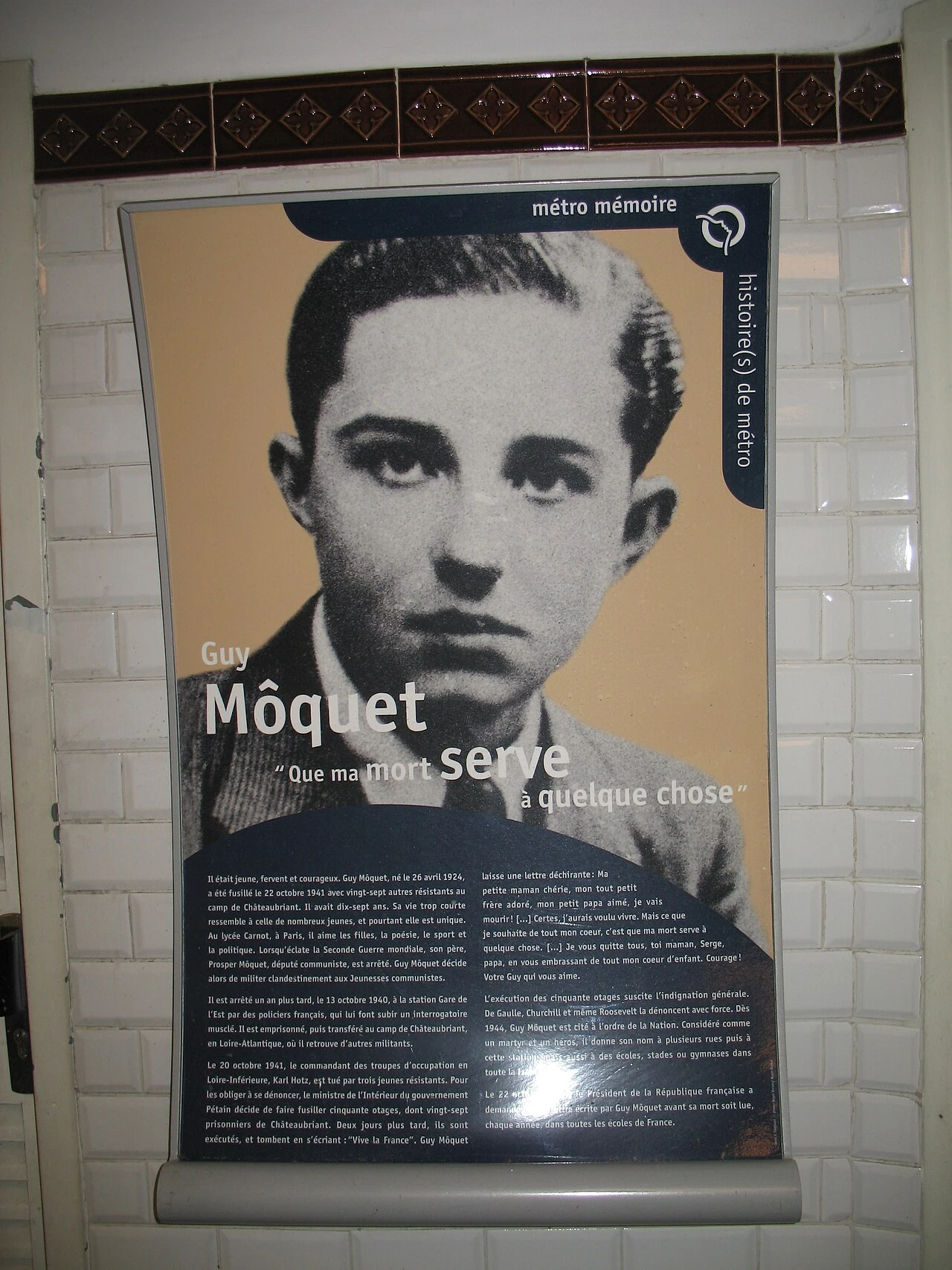
Châteaubriant: The List of Hostages
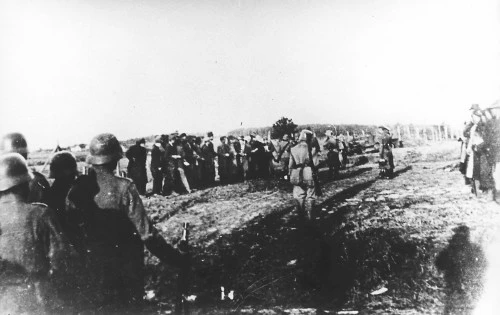
Denouncing the partisans under the terror of reprisals in Serbia
Hilfswillige: Survival or Refusal in the Transit Camp
Studying in the Warsaw Ghetto
Clandestine teaching in the Warsaw Ghetto
The Belgrade medical student and the call of the Partisans
The Jewish Schoolteacher of Kazimierz
The Warsaw Ghetto — the temptation of informing
A young Belarusian woman in occupied Minsk
The Banned Czech University
Châteaubriant: The List of Hostages
Denouncing the partisans under the terror of reprisals in Serbia
Hilfswillige: Survival or Refusal in the Transit Camp
T09-082