
French Resistance: Fight On or Obey de Gaulle?
On 20 October 1941 in Nantes, German Oberstfeldkommandant Karl Hotz is shot dead by 2 Communist militants. German authorities announce the execution of 50 hostages for every 48-hour period without surrender of the perpetrators. The list includes political prisoners and resistance members held for months.
From London, General de Gaulle broadcasts an appeal on 23 October: he acknowledges the courage of French patriots, but expressly asks them to stop killing Germans individually for now. These acts, he argues, trigger reprisals that massacre French civilians without weakening the enemy; the moment for insurrection will come, but only at the coordinated signal. The Communist official receives this message. He also holds instructions from Moscow issued since 22 June: wage armed struggle without delay, to relieve pressure on the Red Army.
He can suspend individual attacks in response to de Gaulle's appeal, pending coordination; continue armed operations as directed by the Communist Party, regardless of the Gaullist call; or propose an internal compromise: press on with sabotage and actions against military targets while avoiding attacks on individuals that trigger civilian reprisals.
After de Gaulle's appeal of 23 October against individual attacks, should this Communist official suspend armed actions, continue as the Party directs, or refocus operations on purely military targets?
The Communist Party leadership maintains its policy of attacks. Between October 1941 and January 1942, the Francs-Tireurs et Partisans (FTP) multiply their operations — railway lines, depots, German officers. 50 hostages are shot at Châteaubriant on 22 October, including , 17 years old; 16 at Nantes, 5 in Paris. The tension between Gaullists and Communists over resistance methods persists until 1943. De Gaulle argues that civilian casualties discredit the Resistance in ordinary French eyes; the PCF replies that inaction equals capitulation. The 2 currents converge in the National Council of the Resistance in 1943, but the autumn 1941 disagreement illustrates a deep strategic division.
Learn more about this event
Related polls
10
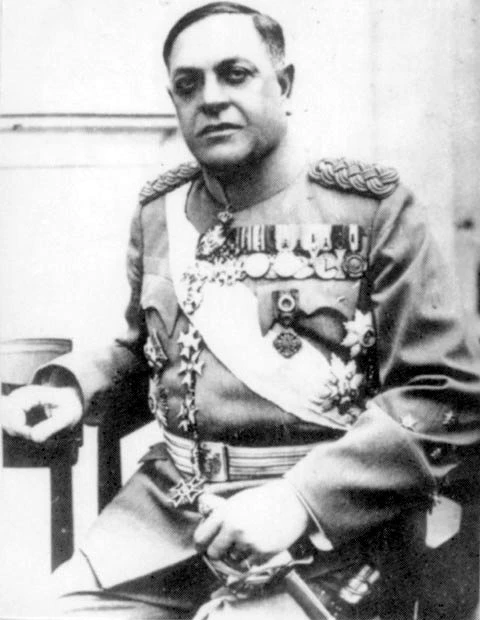
The Belgrade schoolteacher under the occupation
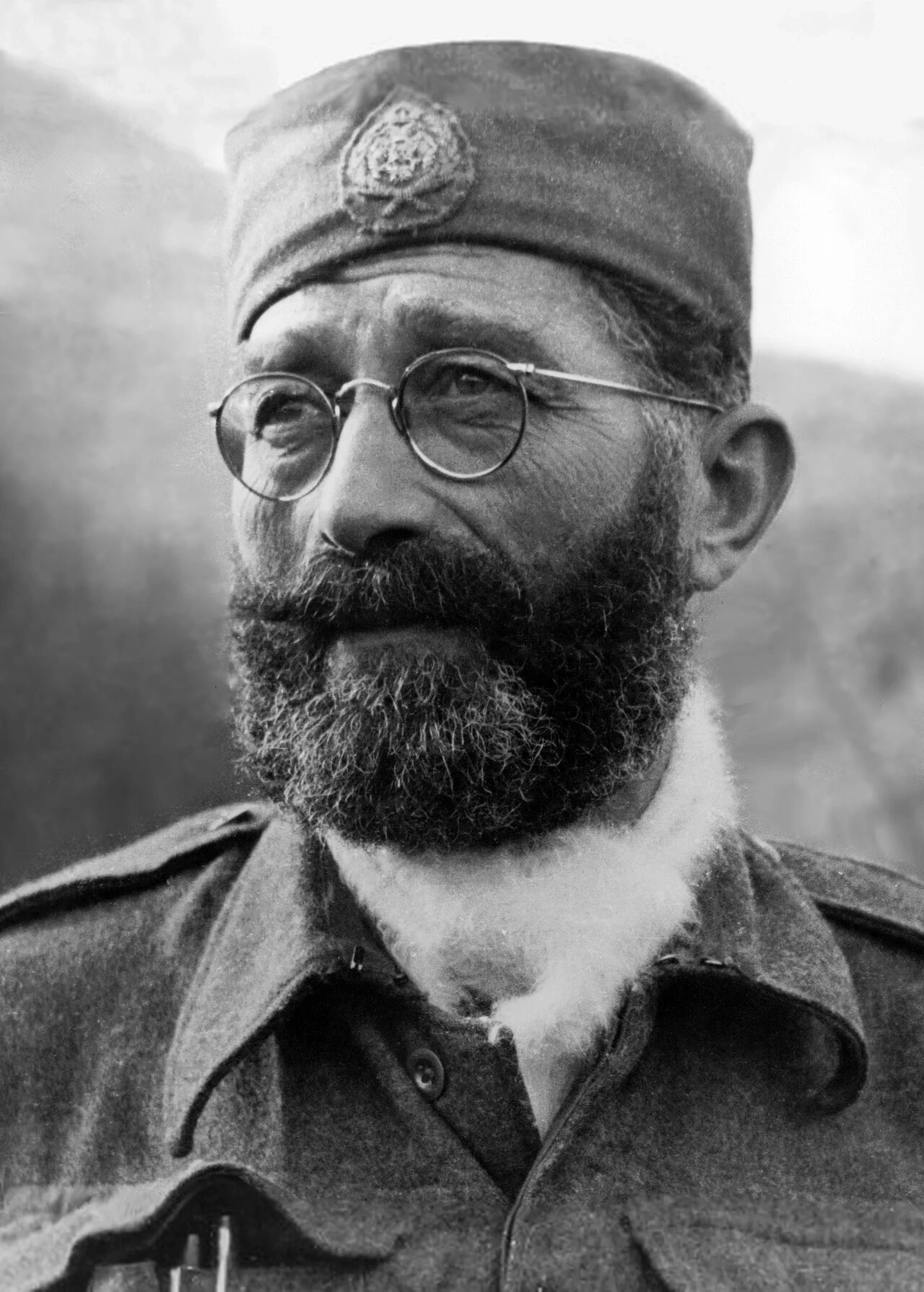
Mihailovic faces Tito's offer
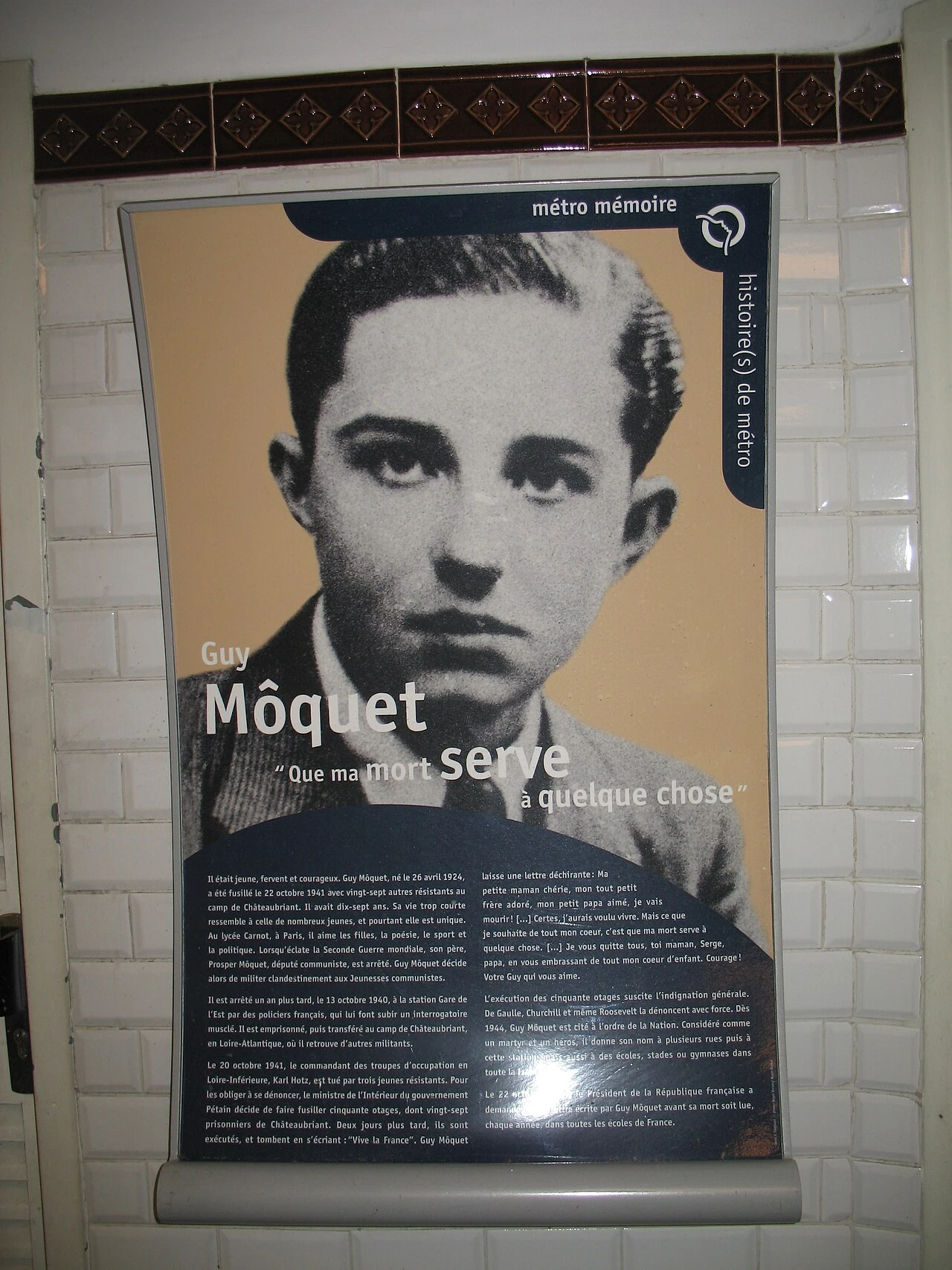
Châteaubriant: The List of Hostages
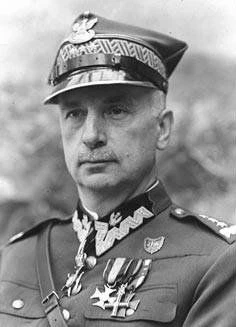
Sosnkowski — KSK, 27 November
Tito — the call to insurrection
Cardinal Sapieha — Krakow under Occupation
The Parisian concierge facing informing under the Occupation
The Volksdeutsche Conscripted into the Selbstschutz
Bishop Adamski in annexed Katowice
Mieczysław Niedziałkowski — after the arrest
The Belgrade schoolteacher under the occupation
Mihailovic faces Tito's offer
Châteaubriant: The List of Hostages
Sosnkowski — KSK, 27 November
Tito — the call to insurrection
Cardinal Sapieha — Krakow under Occupation
The Parisian concierge facing informing under the Occupation
The Volksdeutsche Conscripted into the Selbstschutz
Bishop Adamski in annexed Katowice
Mieczysław Niedziałkowski — after the arrest
T09-078