
The Ninth Fort, Kaunas, October 1941
Since June 1941, Lithuanian auxiliary police have worked alongside German SS mobile units in occupied Lithuania. This Kaunas NCO has already been deployed to the Ninth Fort, a former Tsarist fortification converted into an execution site on the edge of the city. He knows what happens there.
On 28 October a service note orders him to report with his unit for a major action the following morning. The German liaison officer's briefing was explicit: thousands of Jews from the Kaunas ghetto will be brought to the fort. The auxiliary unit will be deployed to cordon and participate in the operations. This is the largest action organised in the region so far.
He can show up and carry out orders as his rank requires; claim sudden illness or find a personal reason to be absent that day; or explicitly refuse the order, accepting whatever disciplinary consequences that entails.
Summoned for the major action of 29 October 1941, should this NCO show up and carry out orders, claim illness to be absent, or explicitly refuse?
The unit participates. On 29 October 1941, 9,200 Jews from the Kaunas ghetto — men, women, and children — are shot at the Ninth Fort. The operation is recorded in the Jäger Report, compiled by Einsatzkommando 3 commander : it totals over 137,000 victims for his command alone in Lithuania since June 1941. Post-war testimony notes that a few members of the auxiliary claimed illness or found a pretext to be absent, without suffering serious sanctions. Historian Christopher Browning and others have shown that in most execution units, a narrow margin of individual withdrawal existed — and was rarely used.
Learn more about this event
Related polls
10
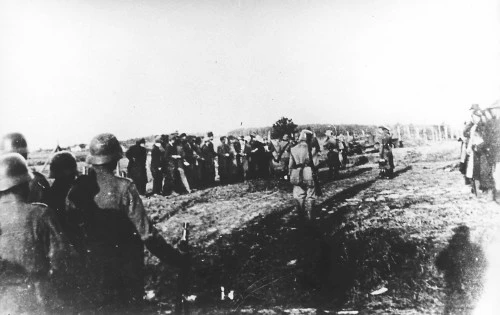
The Reprisal Quota at Kragujevac
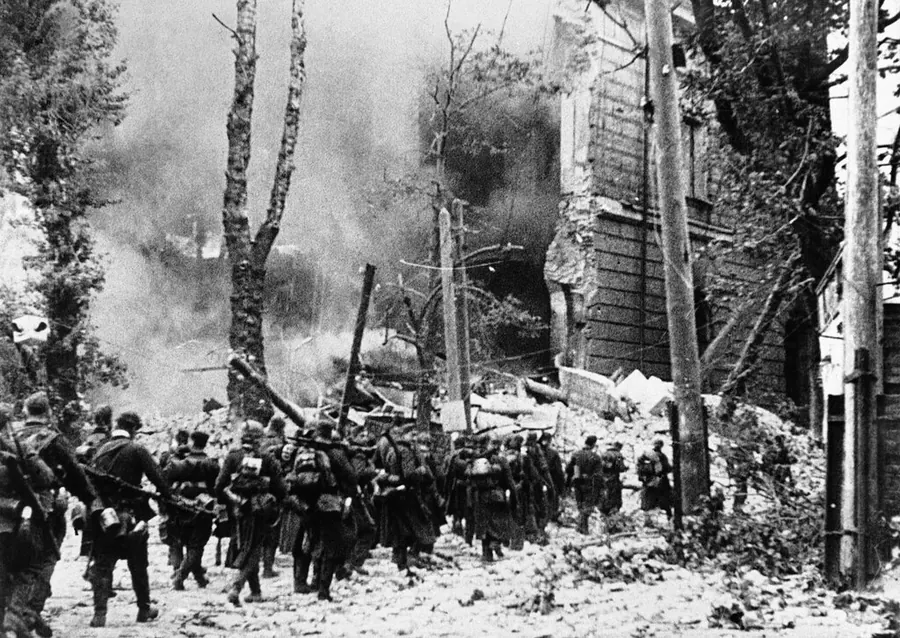
The Captives of the Ukrainian Pockets
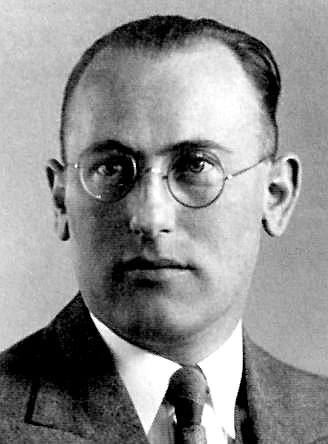
Kaunas — the first pogroms
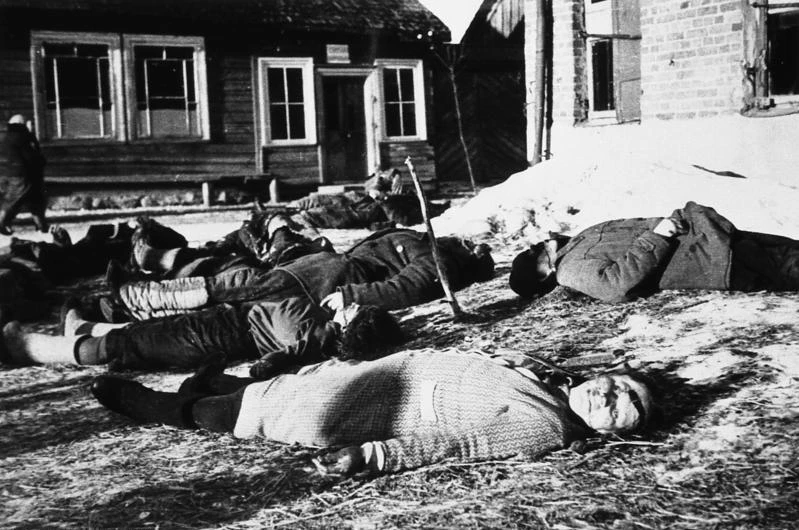
Generalplan Ost — the Hunger Plan
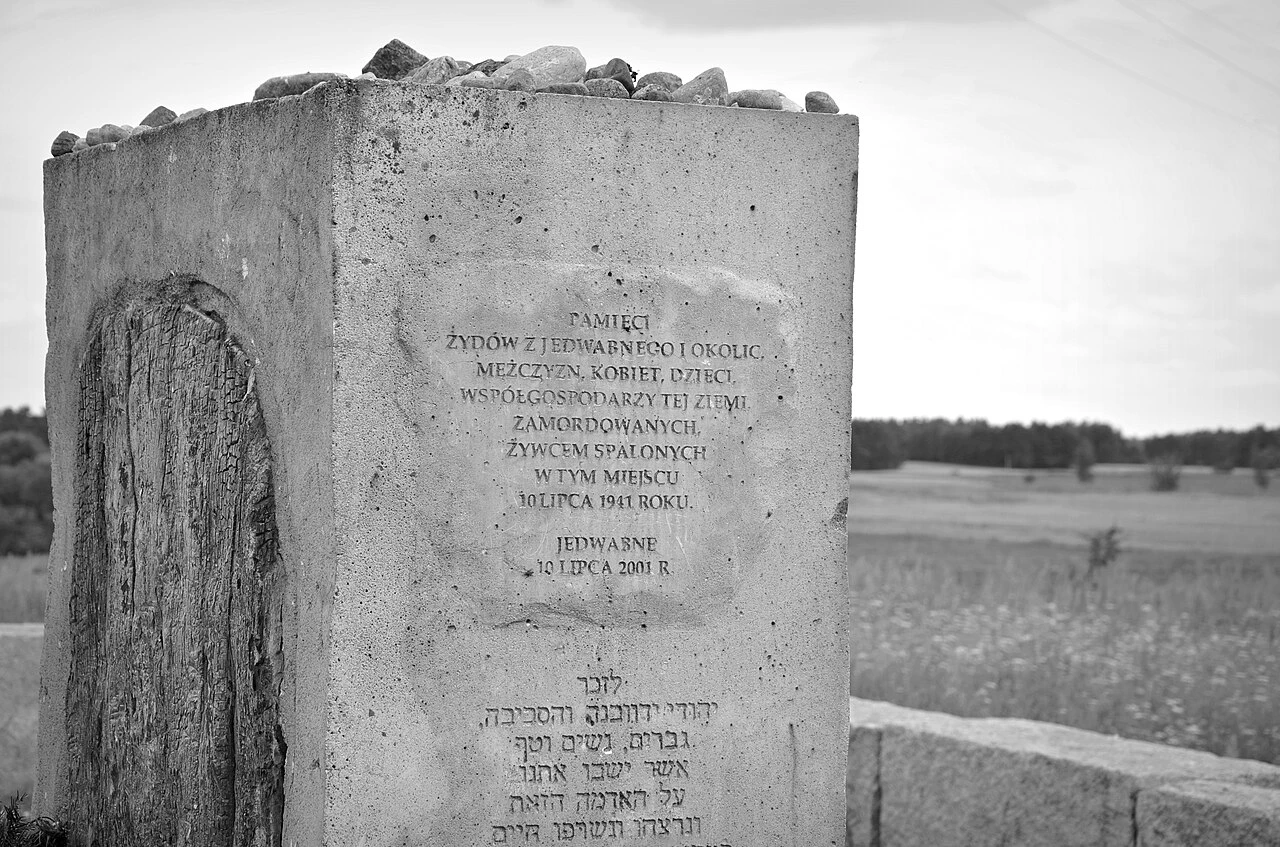
Jedwabne — the crime of the neighbours
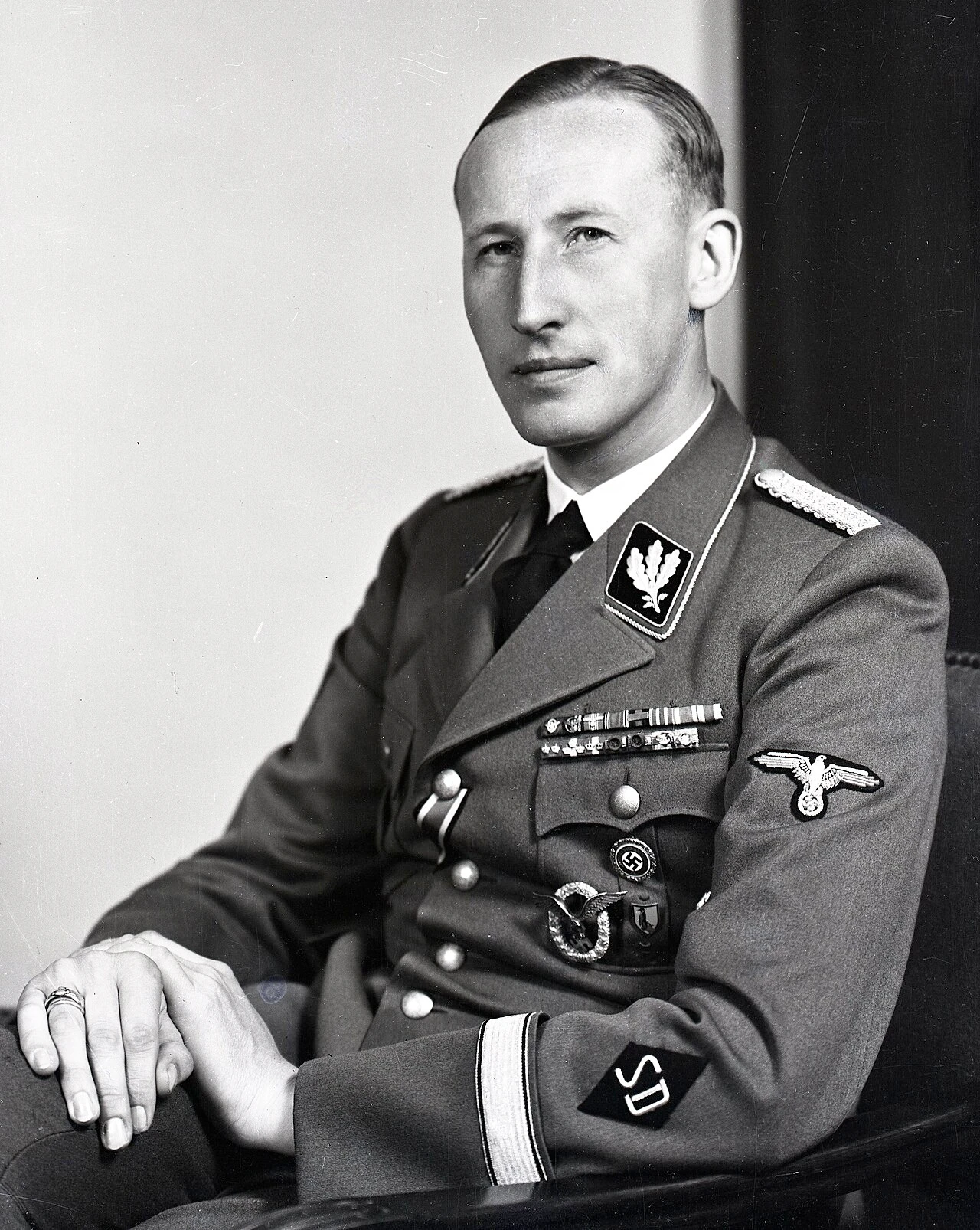
Heydrich's mandate
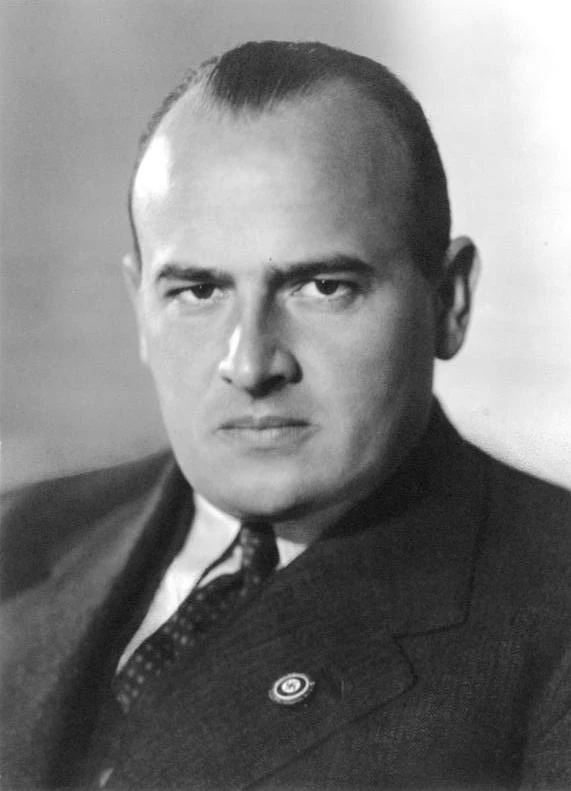
AB Aktion — planning at the Wawel
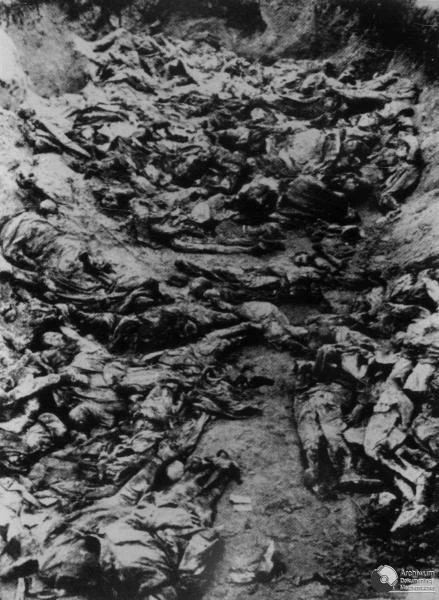
Beria — the NKVD ordinance of 19 September
The Barbarossa decree — the 'licence to kill'
The Obersalzberg Speech
The Reprisal Quota at Kragujevac
The Captives of the Ukrainian Pockets
Kaunas — the first pogroms
Generalplan Ost — the Hunger Plan
Jedwabne — the crime of the neighbours
Heydrich's mandate
AB Aktion — planning at the Wawel
Beria — the NKVD ordinance of 19 September
The Barbarossa decree — the 'licence to kill'
The Obersalzberg Speech
T09-079