
Washington: Arming the Merchant Ships
On 13 November 1941, the United States Senate is about to vote on revising the Neutrality Act of 1939 — a law that prohibits American merchant ships from being armed and from entering combat zones. The proposed amendment would lift both restrictions.
The senator represents a Midwest state where the America First movement has deep roots. He has always held to that line: no entry into a European war. But on 31 October, USS Reuben James was sunk by a German U-boat off Iceland: 115 American sailors were lost. Back home, veterans' groups are now pressing him to vote for the revision. His campaign committee says opinion is shifting. His constituent mail has changed tone in the past 10 days.
He can vote for the revision of the Neutrality Act, breaking with the America First line to follow public opinion; vote against, holding to his isolationist base despite the pressure; or arrange to be absent from the vote, avoiding a formal commitment either way.
Should this formerly isolationist Republican senator vote against the revision, vote for it, or arrange to be absent from the vote?
The revision of the Neutrality Act passes on 13 November 1941 by 50 votes to 37 — a narrower margin than expected, but enough. The legislation authorises arming American merchant ships and permits them to enter combat zones. 3 weeks later, the attack on Pearl Harbor makes the question of neutrality academic. The Senate's November 1941 decision is already ahead of events: it allows the full participation of the American merchant marine without an emergency vote. For the Midwest senators who voted for the revision against their base, December 1941 validates the choice. For those who voted against, it represents a brief political humiliation.
Learn more about this event
Related polls
10

The Royal Visit of George VI

Germany first, even before the war
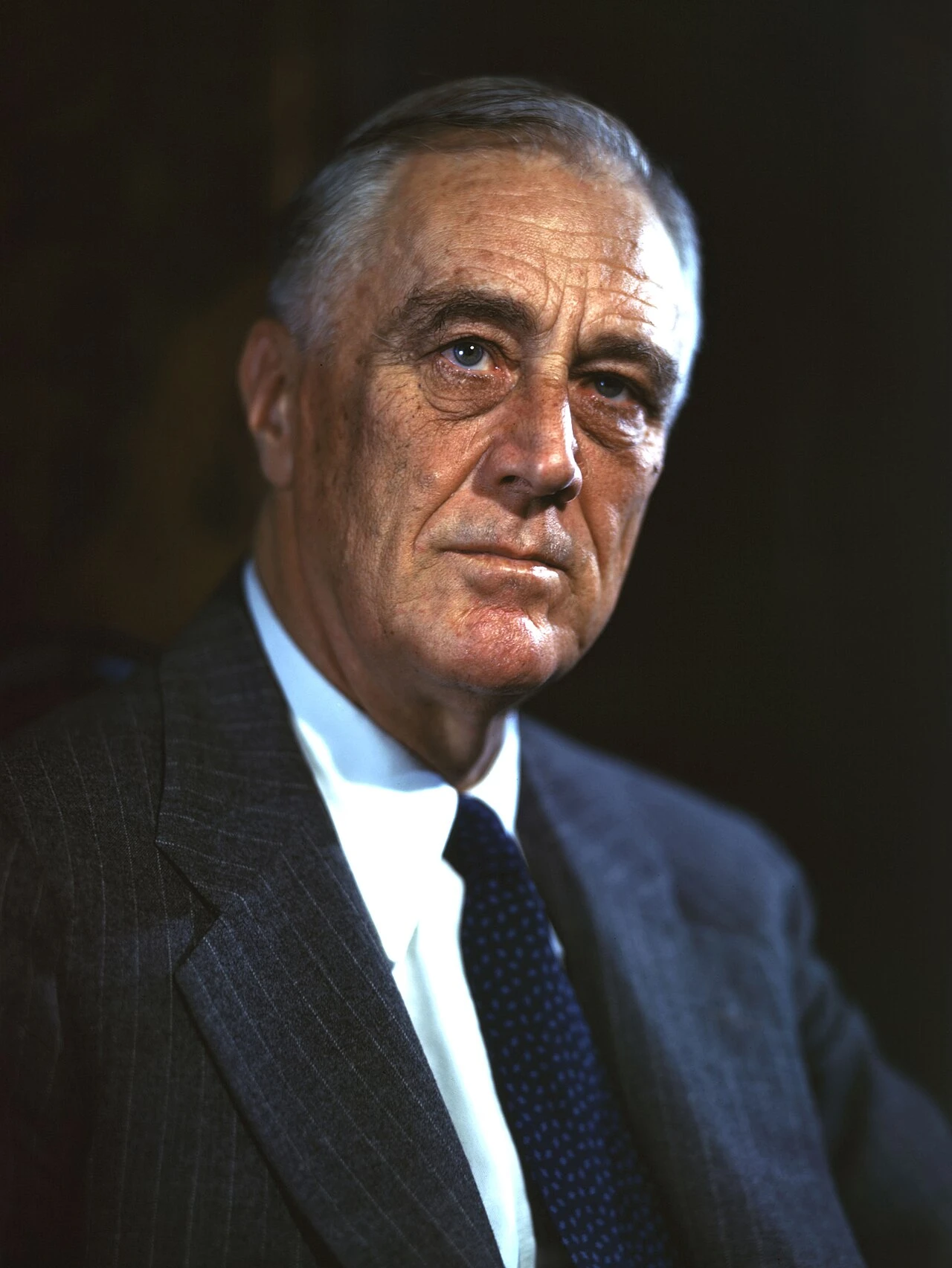
Should Stalin Be Armed?

The Church in a Threatened Moscow
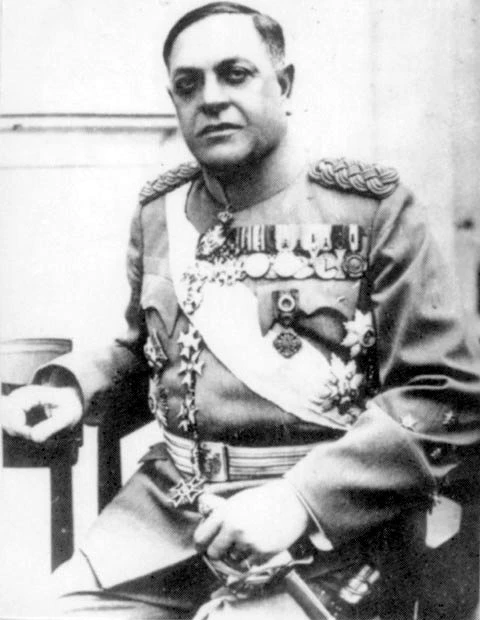
The Belgrade schoolteacher under the occupation

Mihailovic faces Tito's offer
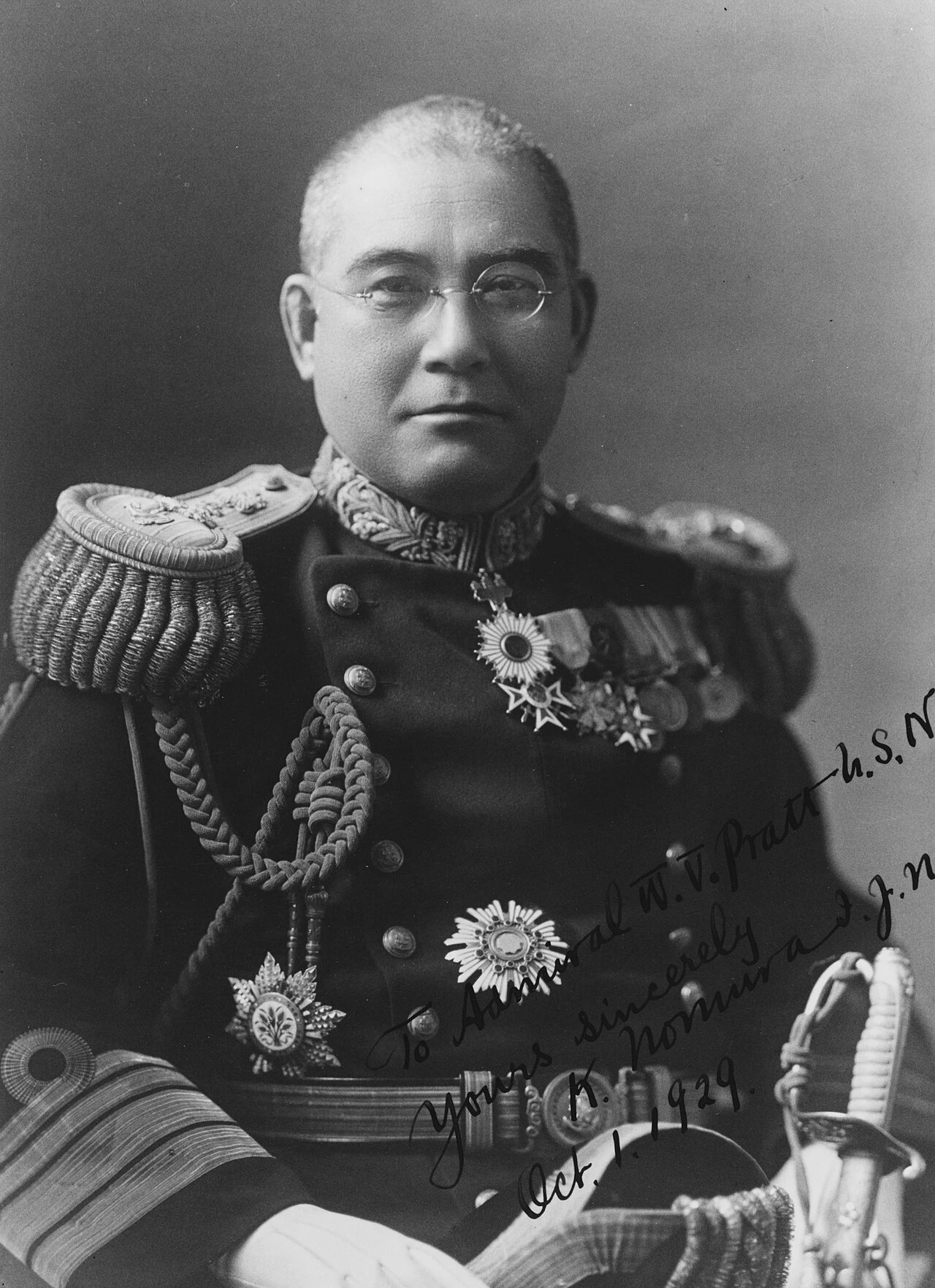
Nomura and the Hull Note: Diplomacy on the Brink
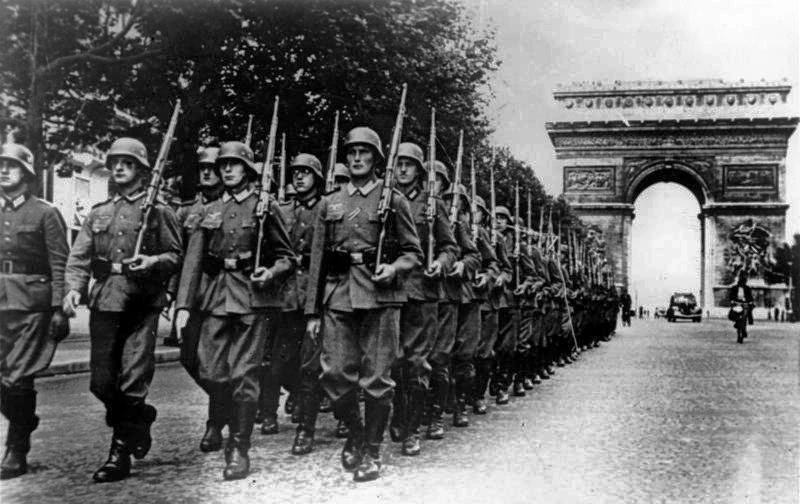
French Resistance: Fight On or Obey de Gaulle?
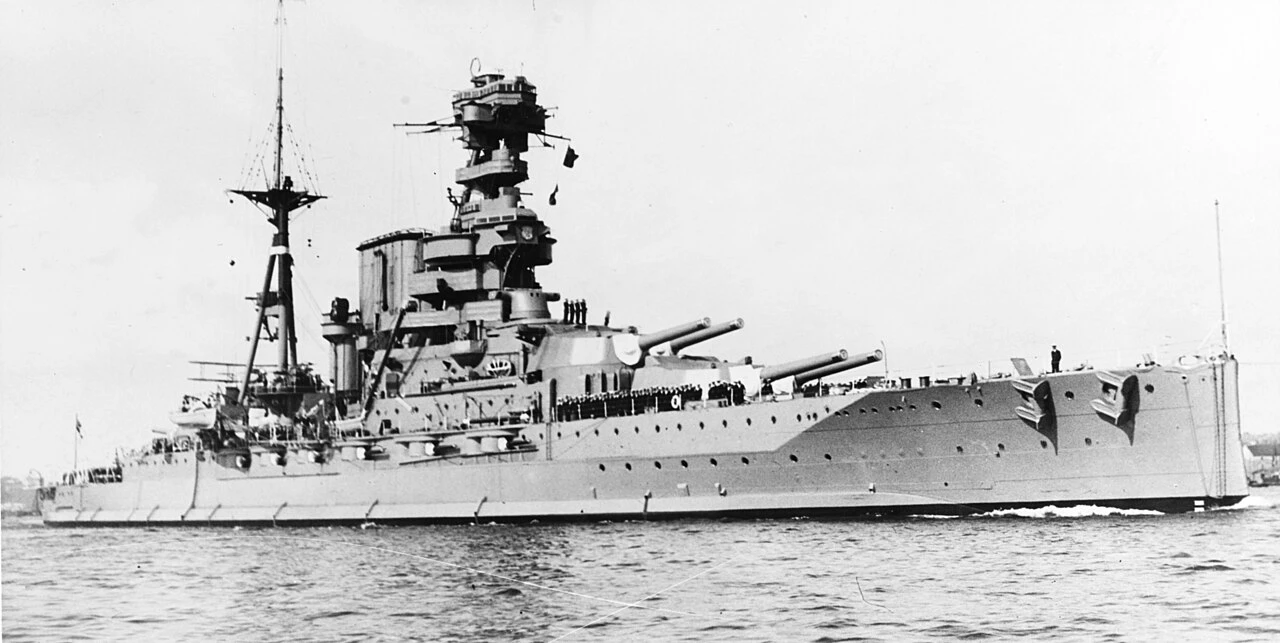
A battleship sunk: tell or conceal?
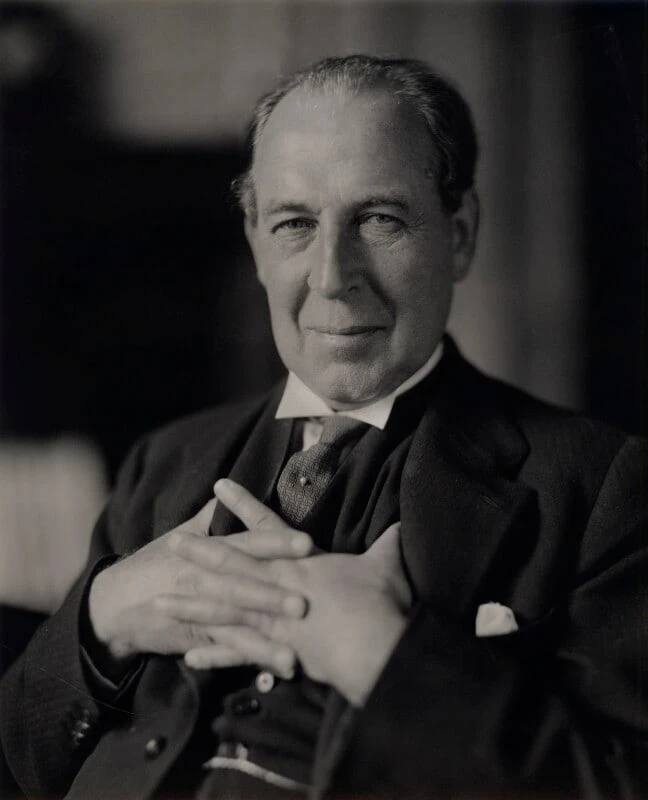
An atomic report on the Lord President's desk
The Royal Visit of George VI
Germany first, even before the war
Should Stalin Be Armed?
The Church in a Threatened Moscow
The Belgrade schoolteacher under the occupation
Mihailovic faces Tito's offer
Nomura and the Hull Note: Diplomacy on the Brink
French Resistance: Fight On or Obey de Gaulle?
A battleship sunk: tell or conceal?
An atomic report on the Lord President's desk
T09-083