
The Blue Division in the Volkhov Marshes
Recruited in Madrid in July 1941, Sergeant Ricardo V. wears a German uniform with a Spanish tricolour armband. The Blue Division — the Wehrmacht's 250th Infantry Division — is made up at its core of anti-Communist volunteers: veterans of the Spanish Civil War, Falangist students, career officers. The division takes up positions near Novgorod, in the marshy lowlands of the Volkhov River, in October 1941.
Battalion orders call for a push toward a Soviet road junction beyond a stretch of ground the scouts have partially identified as mined. Yesterday's reconnaissance cost the section lieutenant, now evacuated wounded. Ricardo V. assumes command of the 28 remaining men. The weather is deteriorating; Volkhov peat is beginning to freeze on the surface, treacherous underfoot.
He can propose a bypass along the boggy flank — 3 hours longer, but outside the mined area; launch the frontal assault as the operation order specifies, hoping the minefield is sparse; or request a pause for engineers to sweep the zone before any advance.
With his lieutenant wounded and command falling to him, should this sergeant propose a flanking bypass through the boggy ground, launch the frontal assault as ordered, or request engineers to clear the minefield first?
In the Novgorod sector, officers of the Blue Division frequently adopt flanking solutions in this type of terrain. The Spanish tactical doctrine, shaped by the improvisation of the Civil War, contrasts with German rigidity. The choice of the marshy flank, slower but less costly, matches the accounts of survivors from this period. The Blue Division holds the Volkhov until October 1943, suffering around 5,000 killed but maintaining its positions through extreme conditions. The decision by Franco to eventually recall the division under Allied pressure illustrates the full ambiguity of Spain's foreign policy throughout the war.
Learn more about this event
Related polls
10
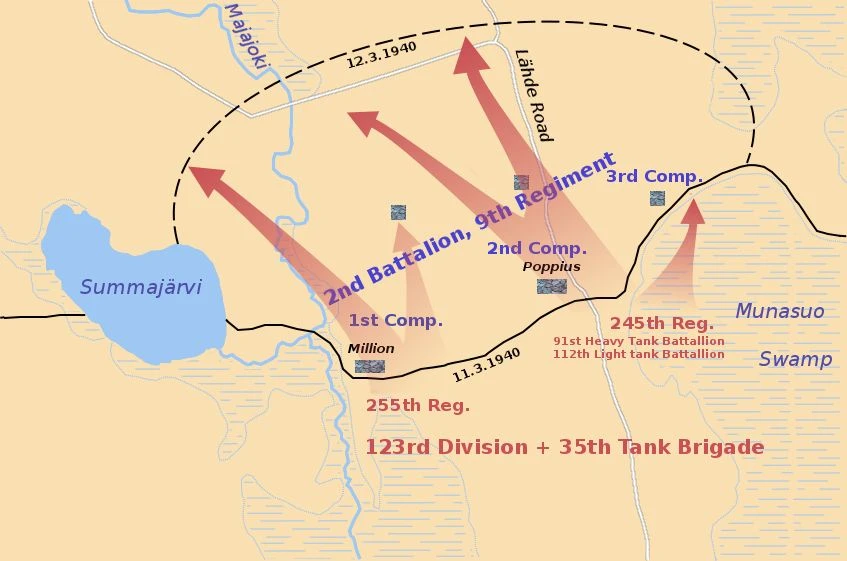
Lähde — Yakovlev against the Mannerheim bolt
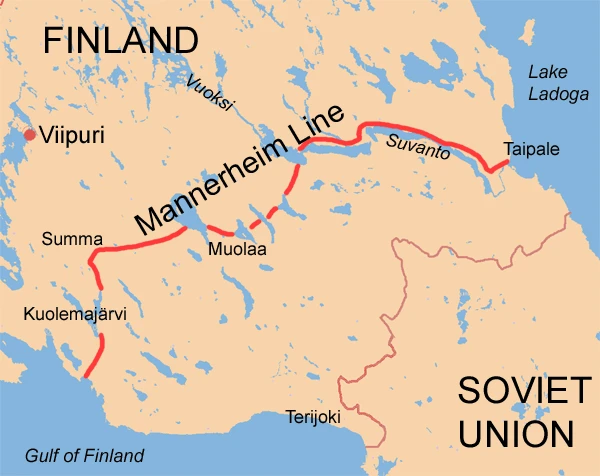
Timoshenko at Summa — 11 February
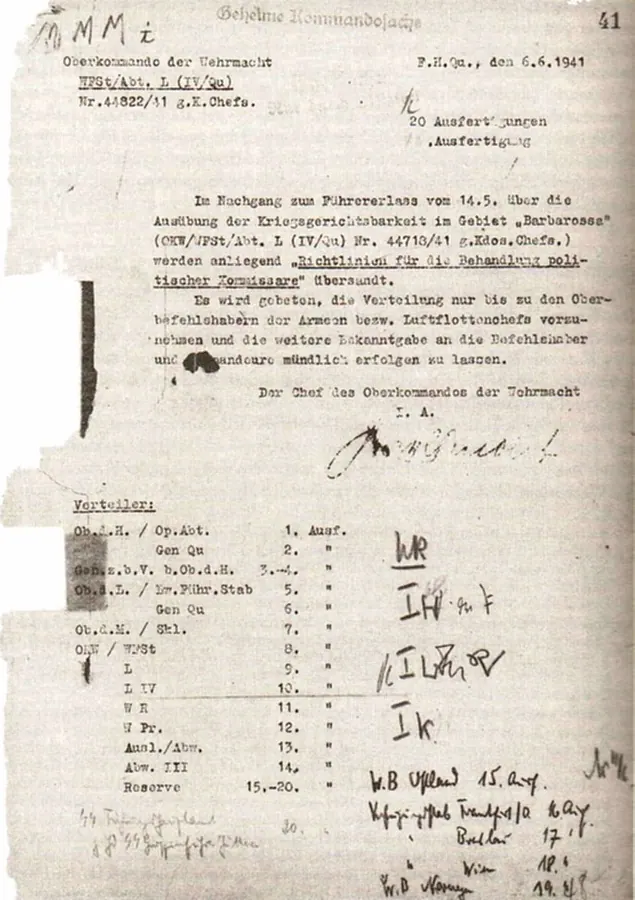
The Commissar Order
The Mud, the Winter and the Road to Moscow
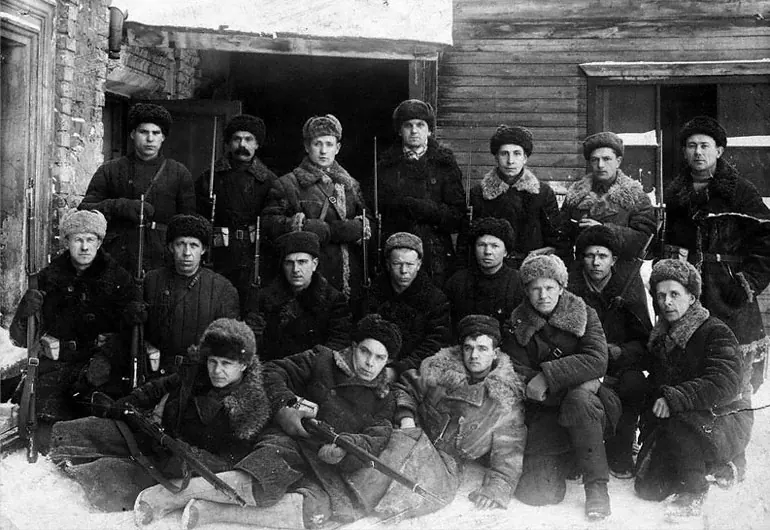
Tula: Arm the Workers or Empty the Factories
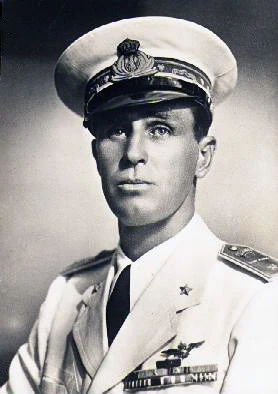
Amba Alagi — the Duke of Aosta encircled
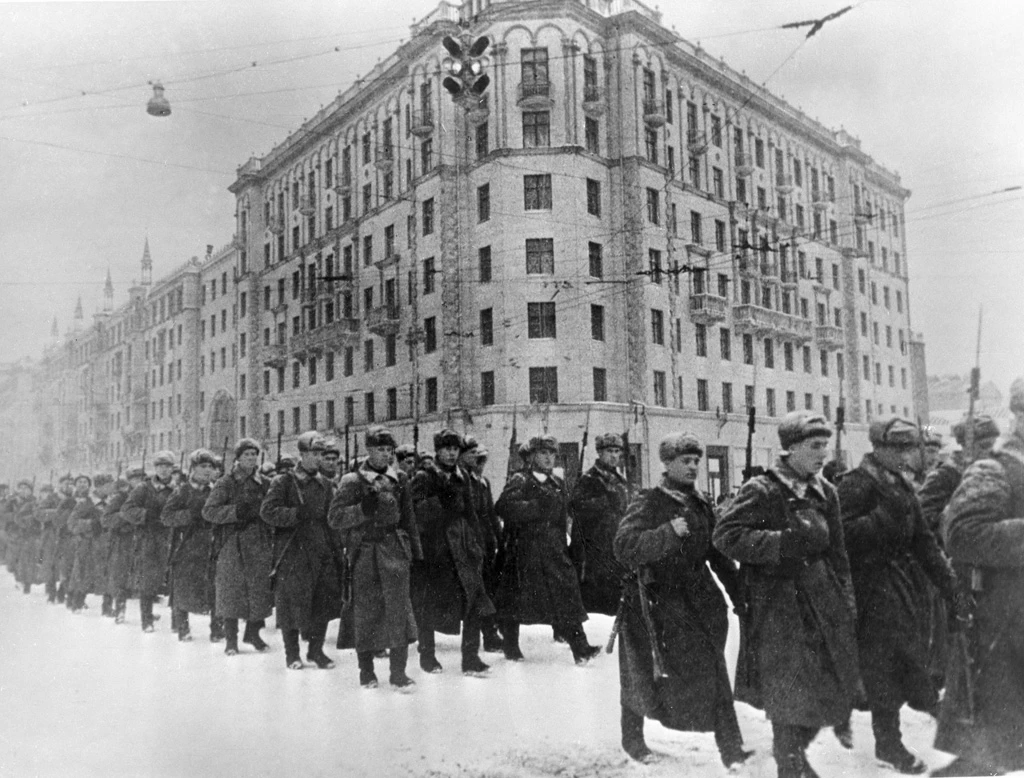
At the Gates of Moscow, in the November Frost
The Houx weir
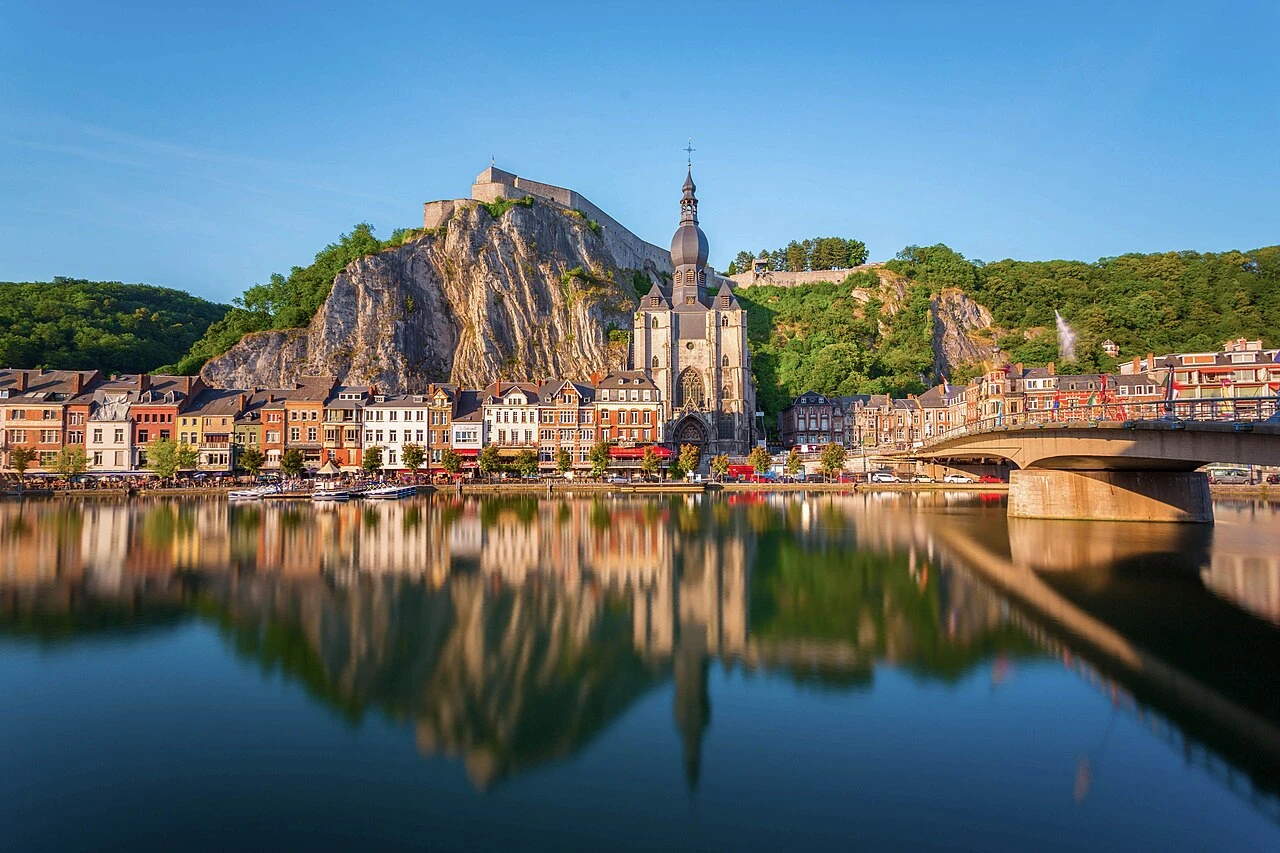
The crossing of the Meuse at Dinant
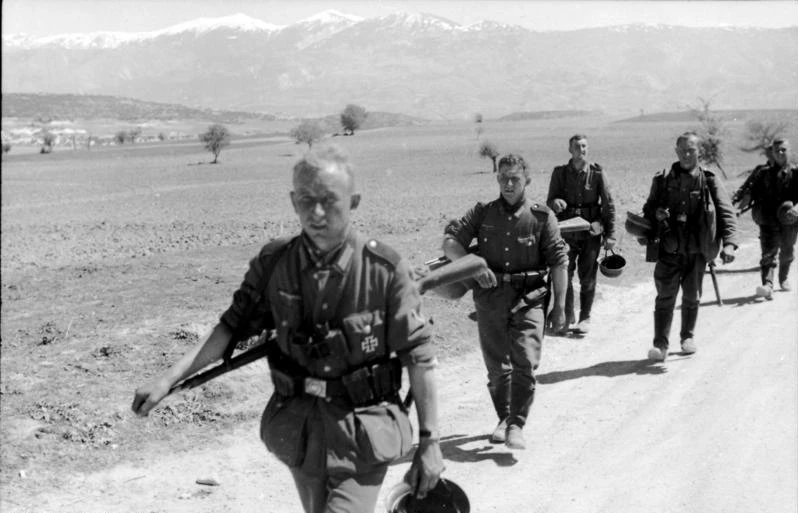
Marita — the invasion of Greece
Lähde — Yakovlev against the Mannerheim bolt
Timoshenko at Summa — 11 February
The Commissar Order
The Mud, the Winter and the Road to Moscow
Tula: Arm the Workers or Empty the Factories
Amba Alagi — the Duke of Aosta encircled
At the Gates of Moscow, in the November Frost
The Houx weir
The crossing of the Meuse at Dinant
Marita — the invasion of Greece
T09-076