
The Deportation Order, Frankfurt, October 1941
Max L., 58, a retired textile merchant in Frankfurt, has lived through 8 years of escalating restrictions since 1933: the forced Aryanisation of his business, the prohibition on trading, the Night of Broken Glass in 1938. He hesitated to emigrate, held back by elderly parents, by roots, by the hope the storm would pass. His 2 sons left for Palestine in 1939; his wife, his sister-in-law, and he stayed behind.
This October evening of 1941, a Gestapo summons appears in his letterbox. The document orders the family to report on 15 October at 8 a.m. to the community hall, with 50 kilograms of luggage and 50 Reichsmarks. The heading reads: transfer to a collective labour site in the East. Neighbourhood rumours circulate: some think an ordinary labour camp, others say Poland, no one knows exactly.
Max can go into hiding with a trusted non-Jewish acquaintance, asking them to take the risk of a possible denunciation; report with his family to the assembly point as ordered, as almost all summoned families are doing; or make one last attempt to reach Switzerland through underground contacts, with whatever money he has left.
On receiving the deportation order of 15 October 1941, should this family head go into hiding with a trusted German, report with his family as ordered, or attempt to flee to Switzerland?
Almost all summoned families comply. On 19 October 1941, the first deportation train from Frankfurt departs from the East Station: 1,195 people in ordinary passenger carriages, bound for the Łódź ghetto. Further transports follow in November and December. Most deportees from these first convoys die within 18 months — from famine in the ghettos or in the extermination centres of Operation Reinhard in 1942. The Jewish community of Frankfurt, one of the oldest in Germany, ceases to exist as such. Around 1,400 Jews from Frankfurt survive the war, the great majority through mixed marriages or going underground.
Learn more about this event
Related polls
10
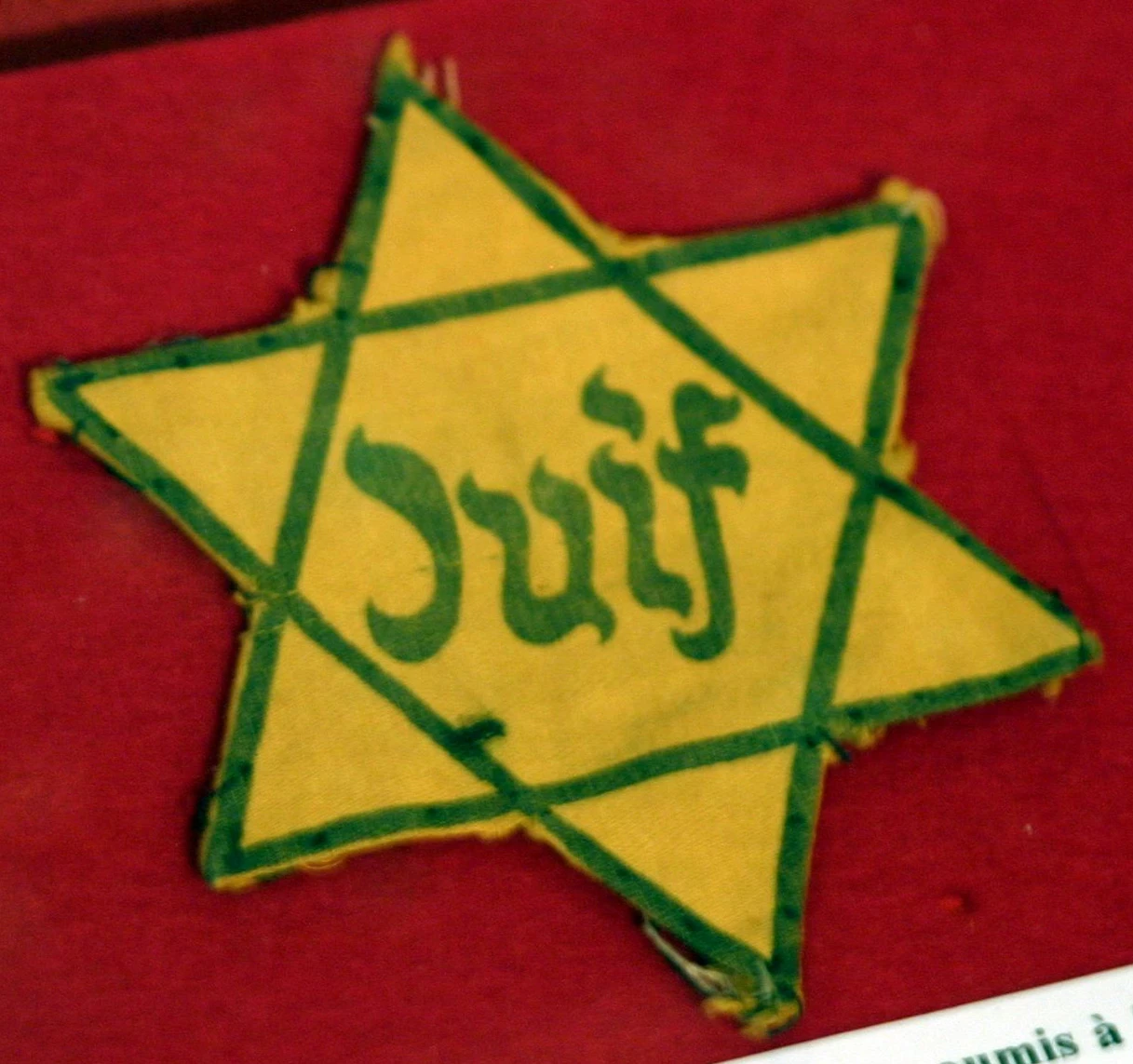
The Yellow Star in Berlin's Streets
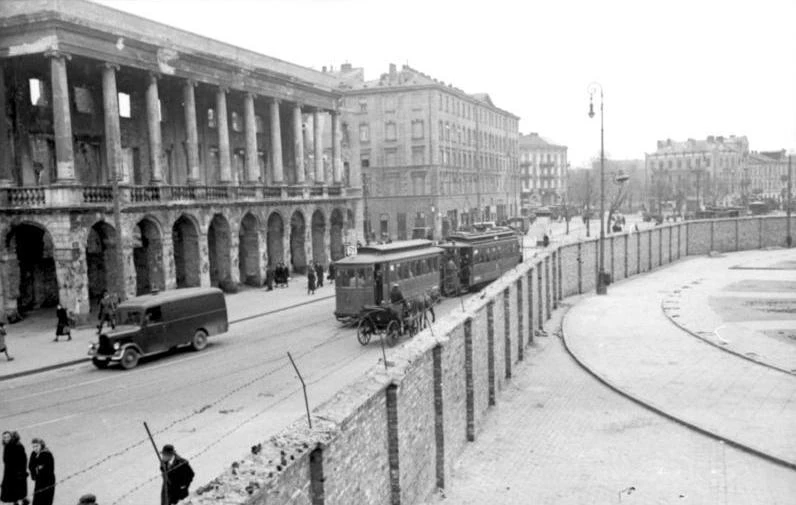
Clandestine teaching in the Warsaw Ghetto
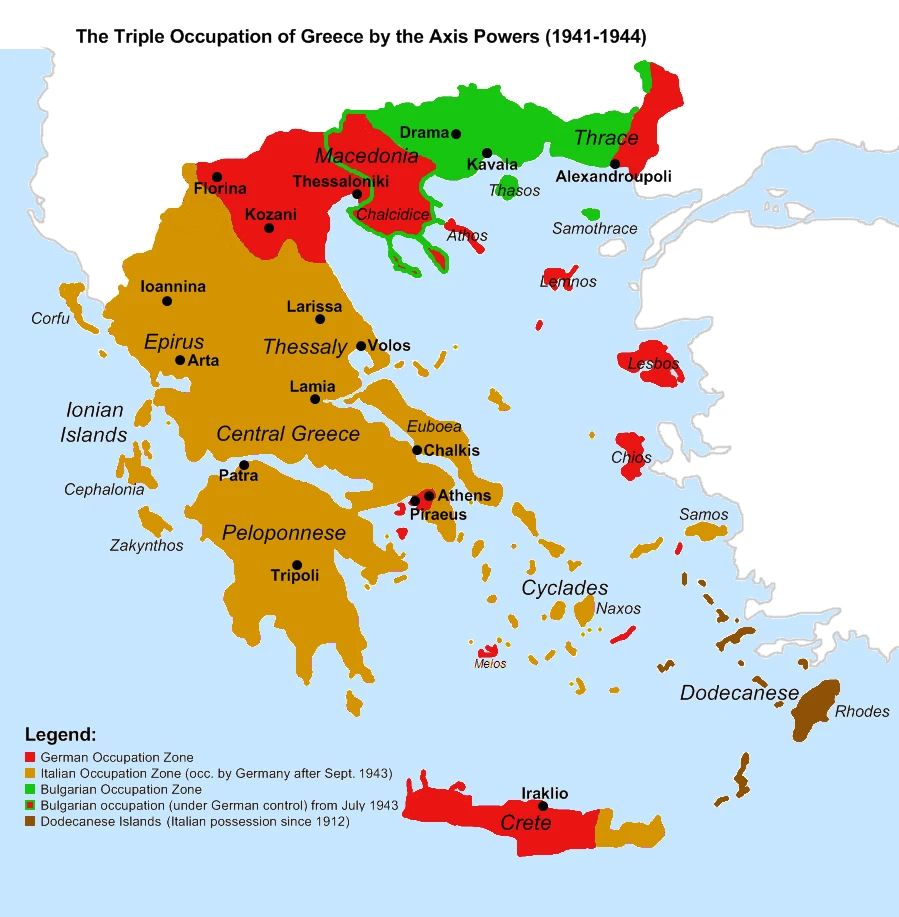
Athens, the Winter of Hunger
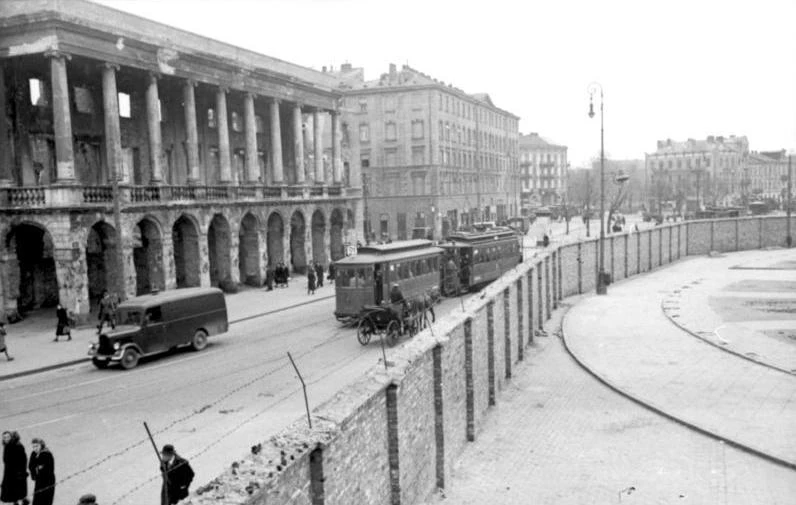
Studying in the Warsaw Ghetto
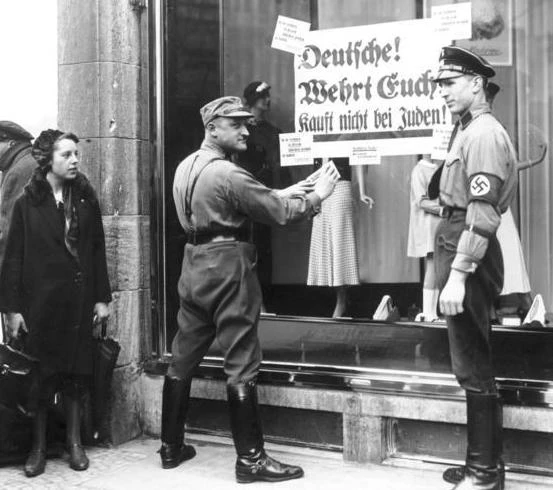
Flee or Stay
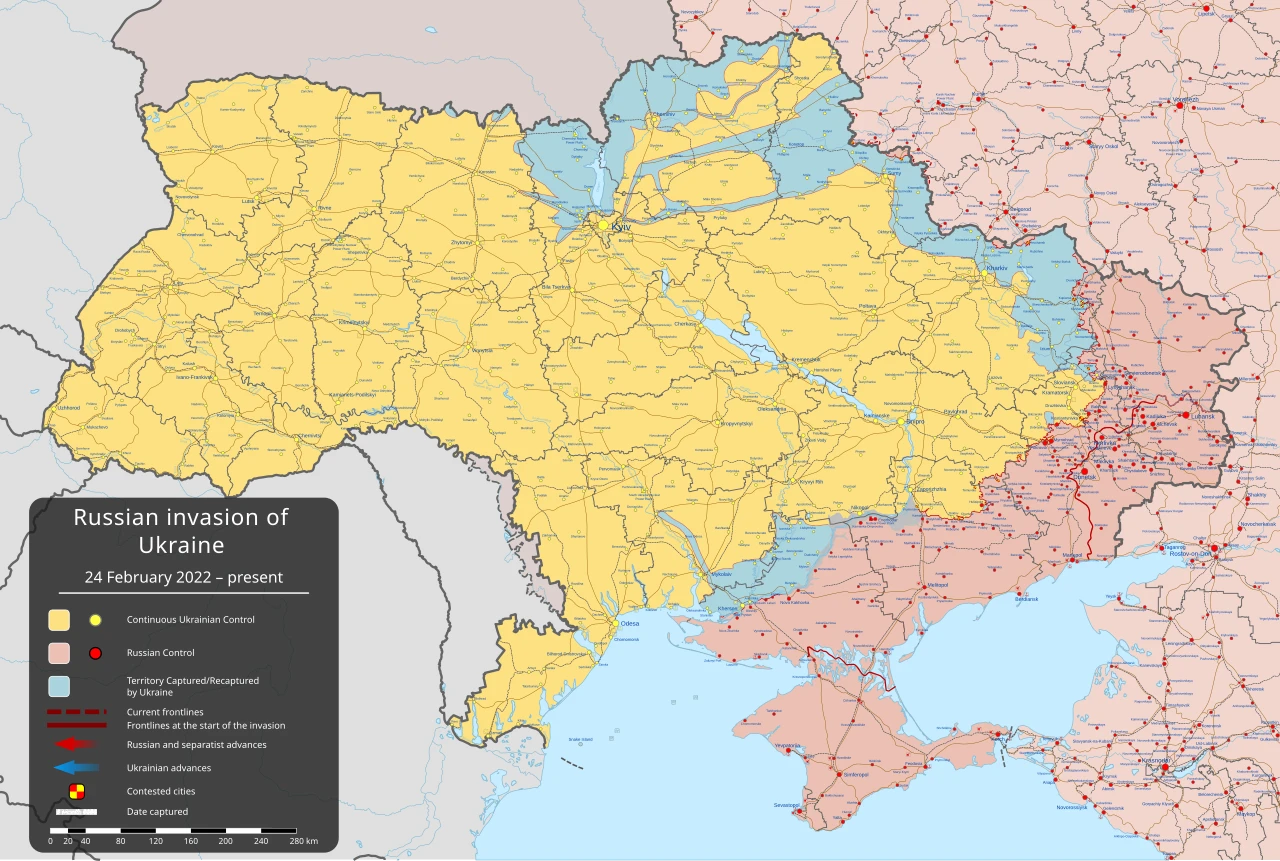
Hilfswillige: Survival or Refusal in the Transit Camp
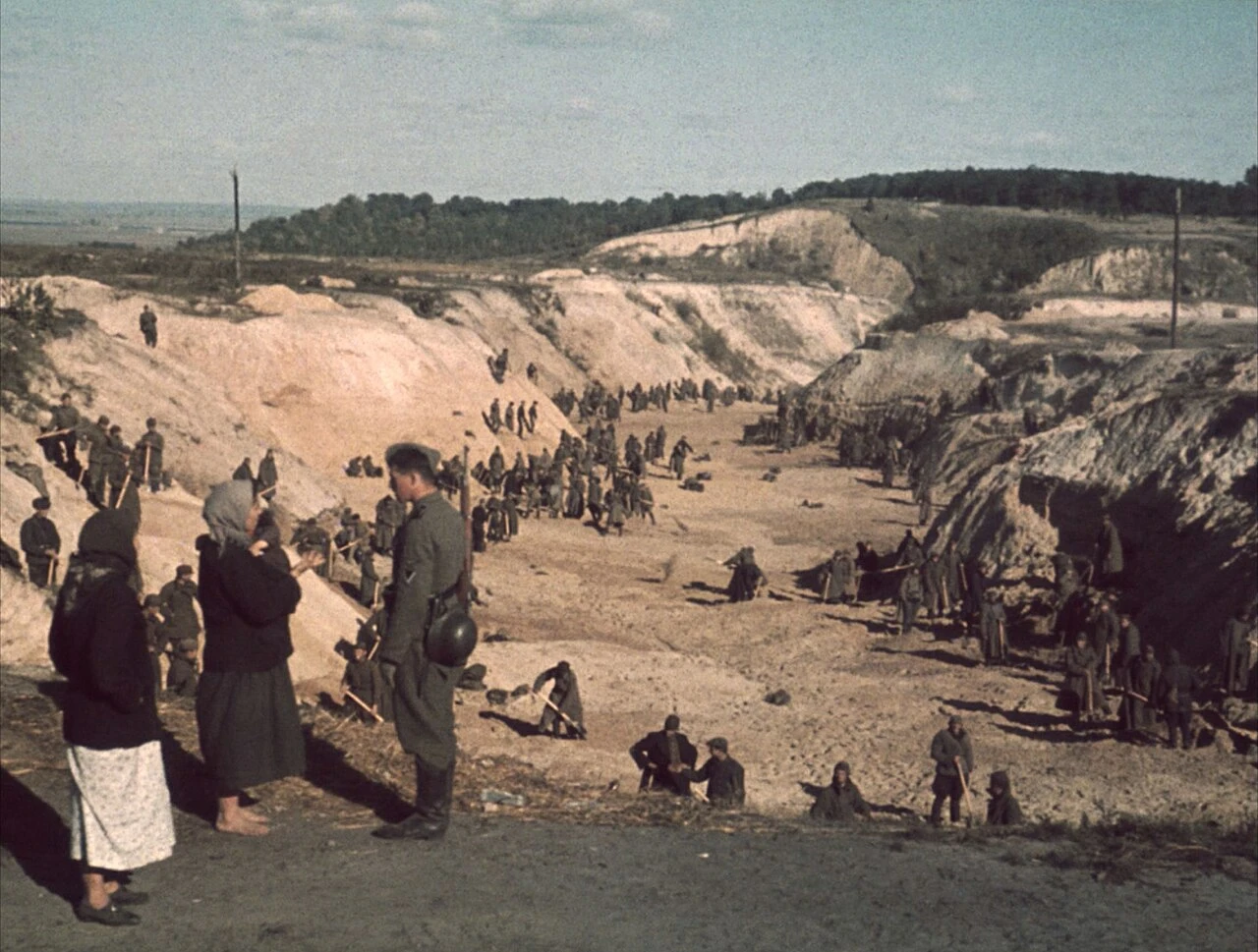
Kiev, 29 September 1941: The Posted Notice
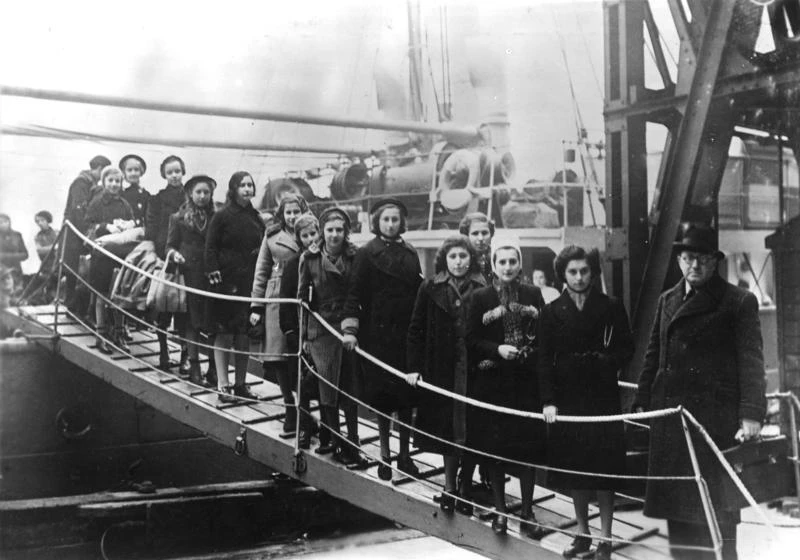
The Kindertransport
The Belgrade medical student and the call of the Partisans
Leningrad besieged: hunger as a weapon
The Yellow Star in Berlin's Streets
Clandestine teaching in the Warsaw Ghetto
Athens, the Winter of Hunger
Studying in the Warsaw Ghetto
Flee or Stay
Hilfswillige: Survival or Refusal in the Transit Camp
Kiev, 29 September 1941: The Posted Notice
The Kindertransport
The Belgrade medical student and the call of the Partisans
Leningrad besieged: hunger as a weapon
T09-077