
By early September 1941, Marshal commands armies that have nearly erased the Winter War's territorial losses. Finnish divisions have advanced quickly since June: the Karelian Isthmus is recovered, Lake Ladoga flanked, and the leading columns now touch the Svir River — roughly the pre-March 1940 border.
From Army Group North's headquarters comes an urgent request: Mannerheim is asked to push his troops south to encircle Leningrad from the northeast, while the Germans close the trap from the west. Militarily the manoeuvre makes sense. Politically it complicates everything. The Finnish Parliament and President Ryti have justified the war as a defensive reconquest. Marching on Leningrad would make Finland a co-aggressor in London's and Washington's eyes, both of which have already issued quiet ultimatums.
Mannerheim can order the advance toward Leningrad to satisfy Berlin and complete the encirclement; hold his current lines on the Svir citing troop exhaustion and overstretched supply lines; or advance modestly to eliminate Soviet bridgeheads on the river and stop there.
Should Mannerheim drive his divisions toward Leningrad to link up with the Germans, consolidate his positions on the Svir, or limit the advance to reducing Soviet bridgeheads?
Mannerheim stops on the Svir. The decision is communicated to the Germans using military arguments: exhausted troops, overstretched supply lines, approaching winter. The political calculation is equally decisive. Finland maintains the fiction of a reconquest war, not a war of conquest. Britain declares war on Finland in December 1941; relations with the United States remain manageable. The Svir line holds for 3 years, until the Soviet offensive of June 1944. Mannerheim, by then president, negotiates a separate peace in September 1944 — an outcome made possible in part by the choice not to push all the way to Leningrad.
Learn more about this event
Related polls
10
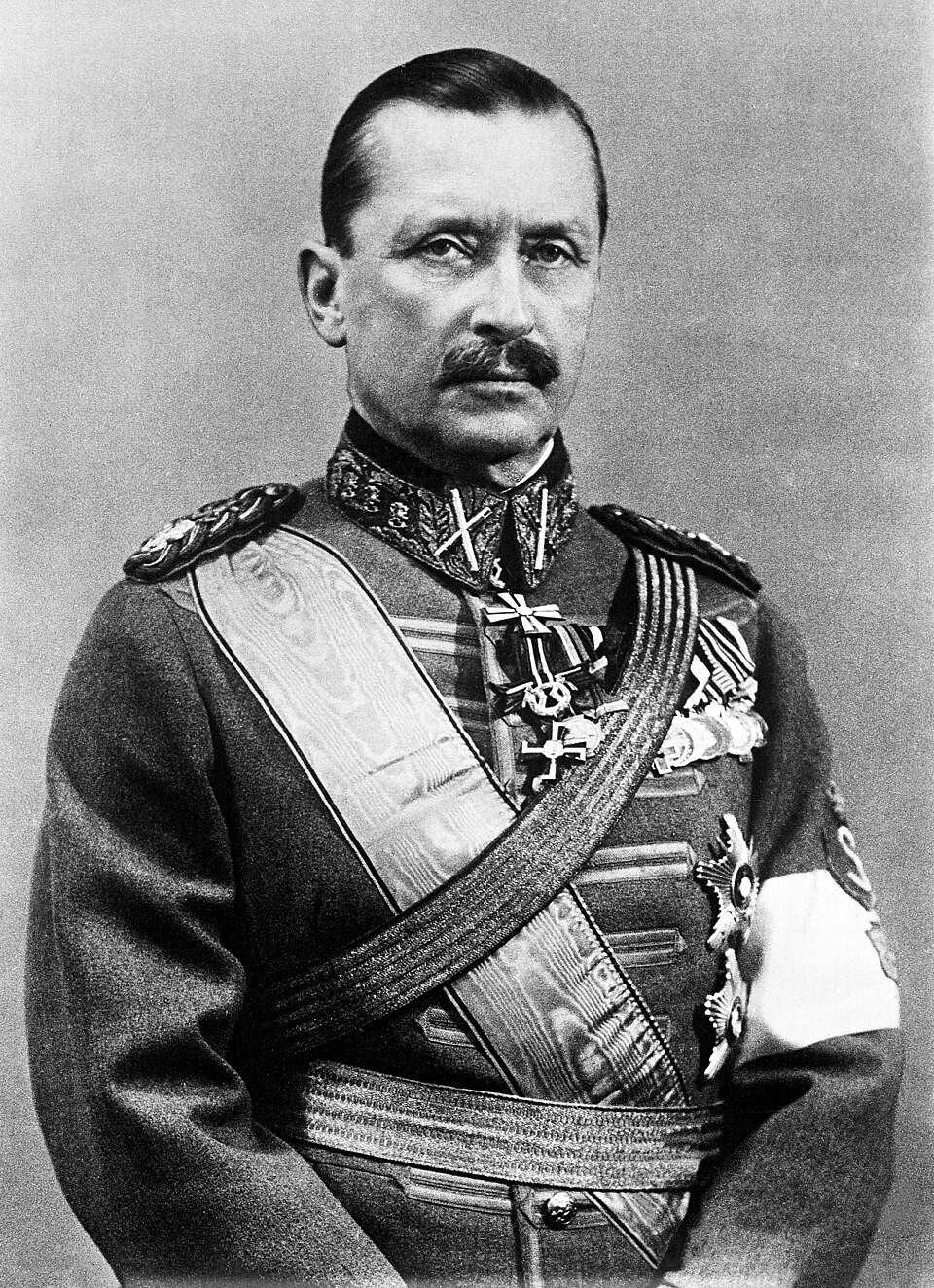
Mannerheim — at the Defence Council
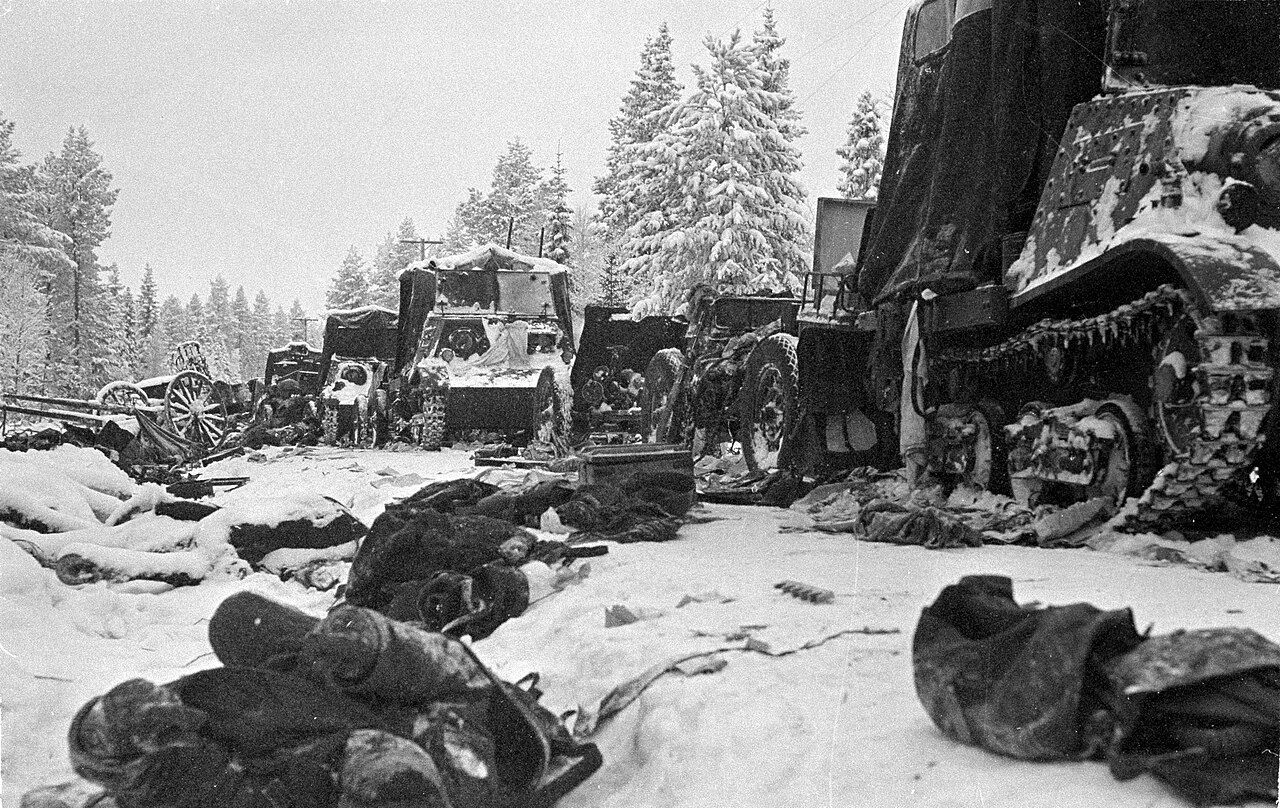
Raate — Vinogradov on the frozen road
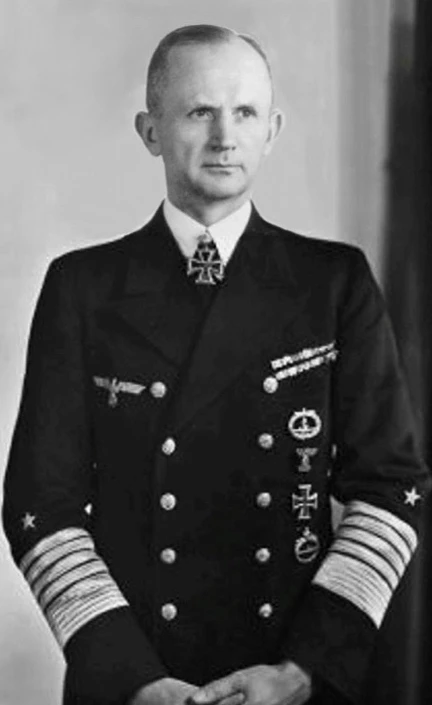
Dönitz and Operation Drumbeat
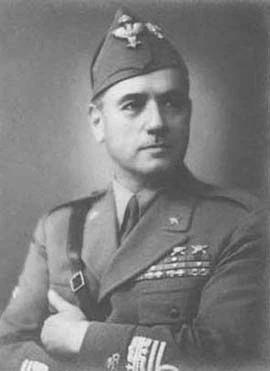
The Italian Corps in Russia Without Winter Gear
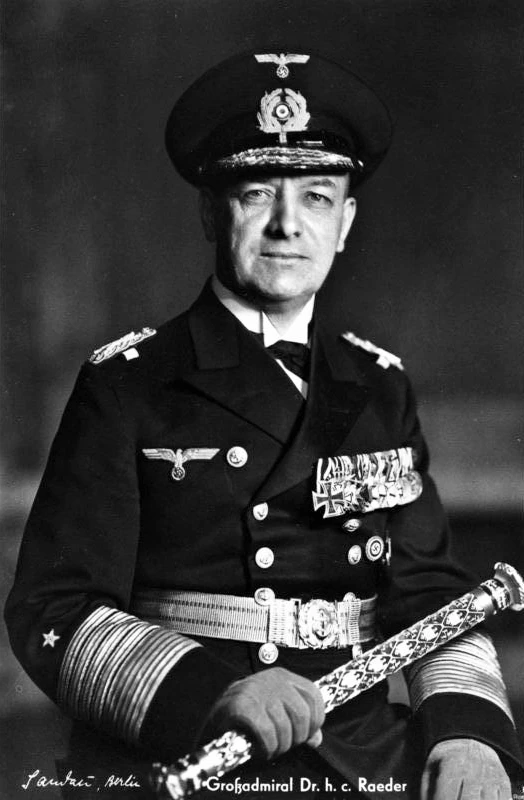
Send out the Bismarck alone, or wait for her sisters
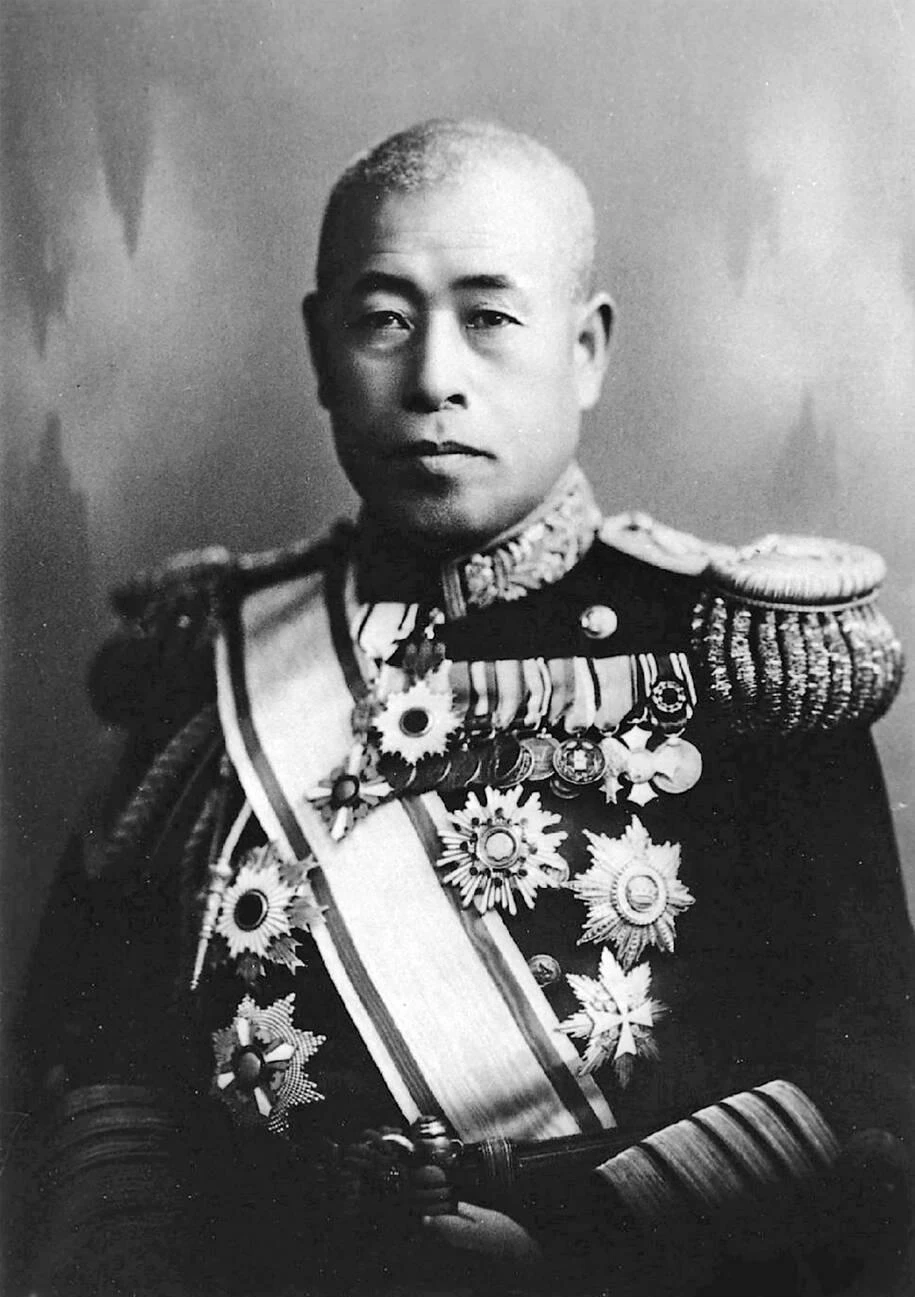
A Raid 6,000 Kilometers Away: The Admiral's Gamble
Amba Alagi — the Duke of Aosta encircled
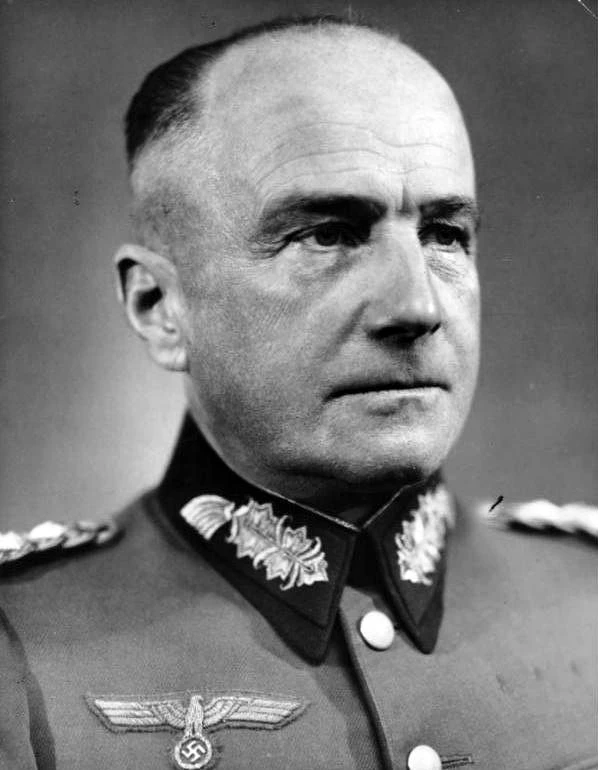
Brauchitsch — Reich Chancellery, 5 November
Goering at Carinhall — the promise to Hitler
Gort at Habarcq — trust in the French plan
Mannerheim — at the Defence Council
Raate — Vinogradov on the frozen road
Dönitz and Operation Drumbeat
The Italian Corps in Russia Without Winter Gear
Send out the Bismarck alone, or wait for her sisters
A Raid 6,000 Kilometers Away: The Admiral's Gamble
Amba Alagi — the Duke of Aosta encircled
Brauchitsch — Reich Chancellery, 5 November
Goering at Carinhall — the promise to Hitler
Gort at Habarcq — trust in the French plan
T09-073